

Parks & GardensShinjuku, Nakano
Gansenen Park (Waseda, Tokyo)(Kansenen Garden)
daimyo’s suburban residencestroll garden with a central pondthe House of Tokugawacherry treeleaves changing color (colour)flower viewing
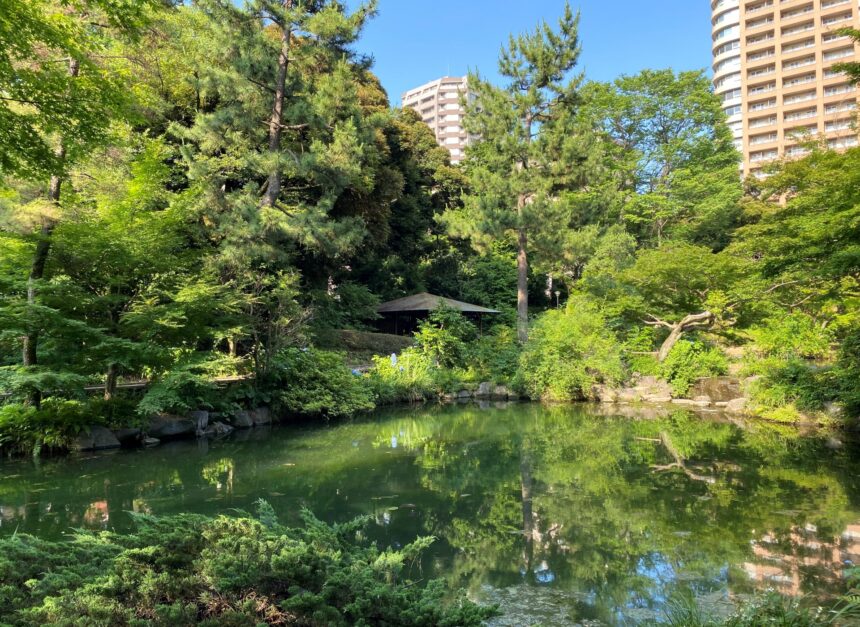
Gansen-en Park is selected as one of the 100 best historical parks in Japan and is the only park in Shinjuku City with a circular garden. The name “Gansen-en” is said to derive from the spring water that springs here, which is suitable for brewing tea. During the 1704-1711 Hoei era (1704-1711), the property became the property of the Owari Tokugawa family, one of the three Tokugawa families, and in 1774, a villa of the Shimizu family was established here. After the Meiji era (1868-1912), the garden was maintained as the garden of Viscount Soma’s residence, and in 1938, it became the property of Waseda University. In 1969, the garden was transferred to Shinjuku City, where it remains to this day. Visitors can enjoy weeping cherry blossoms in spring and autumn leaves in fall.
Spot OutlineOutline
| address (e.g. of house) | 3-5 Nishi-Waseda, Shinjuku-ku, Tokyo |
|---|---|
| Access | 7 minutes from Waseda Subway Station |
| phone | 03-5273-3914 |
| Business Hours | 7:00-19:00 (Mar-Oct), 7:00-17:00 (Nov-Feb) |
| Founding and opening of business | 1969 (Showa 44) |