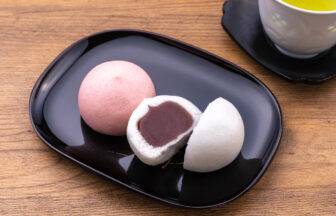
sweet dumpling made with mochi flour and (sometimes) millet flour (famous product of Okayama)

Japanese confectionery

sweet dumpling made with mochi flour and (sometimes) millet flour (famous product of Okayama)(Kibidango/kibidango)

dangoOkayama prefecture (Chuugoku area)

A specialty confectionery of Okayama Prefecture. It is also known as the confection that appears in the old tale Momotaro. Glutinous rice flour is mixed with white sugar and starch syrup, and a small amount of kibi flour is added for flavor. The dumplings are then rolled into dumplings and covered with potato starch. The surface is sometimes covered with soybean flour.
Dumplings made from steamed millet flour have been an everyday food since ancient times, but it was not until the Edo period (1603-1868) that the millet dumpling as we know it today was born. At the suggestion of a feudal lord of the Okayama domain, a local confectioner made millet dumplings with gyuhi for tea ceremonies.

新着・おすすめ情報

  1. short sword

  2. Ruins of Otama-ga-ike Pond

  3. When did the Hina Matsuri (Peach Festival) begin?

  4. Pushing aside the opposition of employees? The importance of reform, as seen by the long-established “Tokiwa-do Thunder Stirrers”.

  5. 【第11回】江戸時代に生まれた「かけそば」の起源

  6. Because they are used on a daily basis, they should not be neglected. Ubukeya tells you how to maintain your knives.

  7. Shinobazunoike Pond Oratory, Kan-eiji Temple

  8. 【第18回】古くから食べられてきた「そばがき」の作り方

  9. (silk) crepe

  10. The ninth generation of a long-established soba restaurant teaches how to boil and taste truly delicious soba noodles

  11. What is the temperature of “hot sake?” Explaining the Temperature of Heated Sake [Words Related to Sake].

  12. What is the difference between kaiseki ryori and kaiseki cuisine? Explanation of the origin and manners you should know!

  13. Aoyama Cemetery (Minami Aoyama, Tokyo)

  14. Gokokuin Taisenji Temple (Meguro Fudo Temple)

  15. Horikirishobuen (Horikiri Shobuen, Tokyo)