Lengshan (dynasty of China; 386-589 CE)

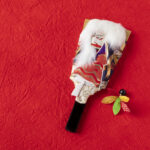
puppet

Lengshan (dynasty of China; 386-589 CE)(renjishi)

playkabuki

One of the subjects of the puppet is taken from the Noh play “Ishibashi” (stone bridge) and the Kabuki play “Renjishi,” which is derived from the Chinese legend that the lion, the king of beasts, would test his cubs to see if they could crawl back up to him by dropping them into a ravine. The lion with white hair is the parent lion and the lion with red hair is the child lion. The doll showing the standing posture of the parent lion alone is called “Kagami-jishi” (mirror lion).

新着・おすすめ情報

  1. The important thing is to build a steady network. Nakazawa Nyugyo Co., Ltd. is expanding its business with the spirit of “Be with each other and do business with each other.

  2. Founded in 1877, “Ningyocho Shinota Sushi” is a famous inari sushi restaurant. The secret of the long-loved taste

  3. What is “Arabashiri”? Words related to Sake

  4. purple

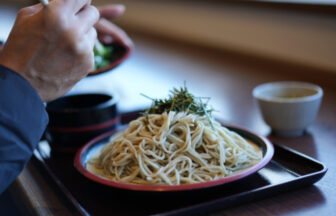
  5. 【第16回】江戸蕎麦の流儀〜蕎麦の洗い方編〜

  6. marks indicating the Japanese meaning of the texts of Chinese classics

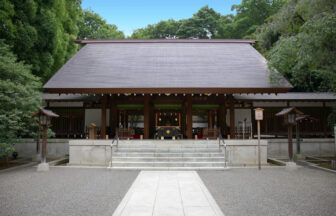
  7. Nogi Shrine (Akasaka, Tokyo)

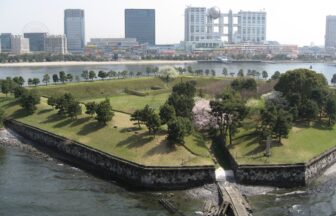
  8. Daiba Park (Odaiba, Tokyo)

  9. Innovation by “Shinseido”, creator of the unconventional and popular “Seppuku Monaka” product

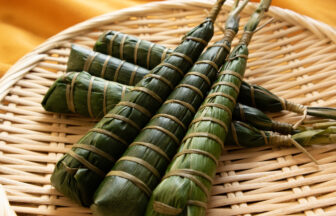
  10. Chimaki” eaten on Dragon Boat Festival. What is the origin of the name?

  11. 京都でも最古の歴史を持つ「松井酒造」。日本酒づくりを軸に展開する、革新的な取り組み

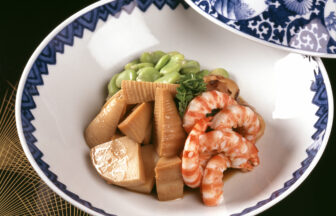
  12. Mukozuke” is served at the beginning of kaiseki cuisine. What is the origin of its name?

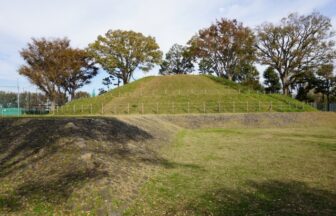
  13. Noge-Otsuka Tomb (Setagaya, Tokyo)

  14. How to read “strong snacks”? Kaiseki and Kaiseki Cuisine

  15. Note that the contents of “soup” differ between kaiseki and kaiseki cuisine.