

Parks & GardensconstructionMeguro, Setagaya
Tokyo Metropolitan Teien Art Museum(Tokyo Metropolitan Teien Art Museum)
art decorestaurant (esp. Western-style)art museumimportant cultural property
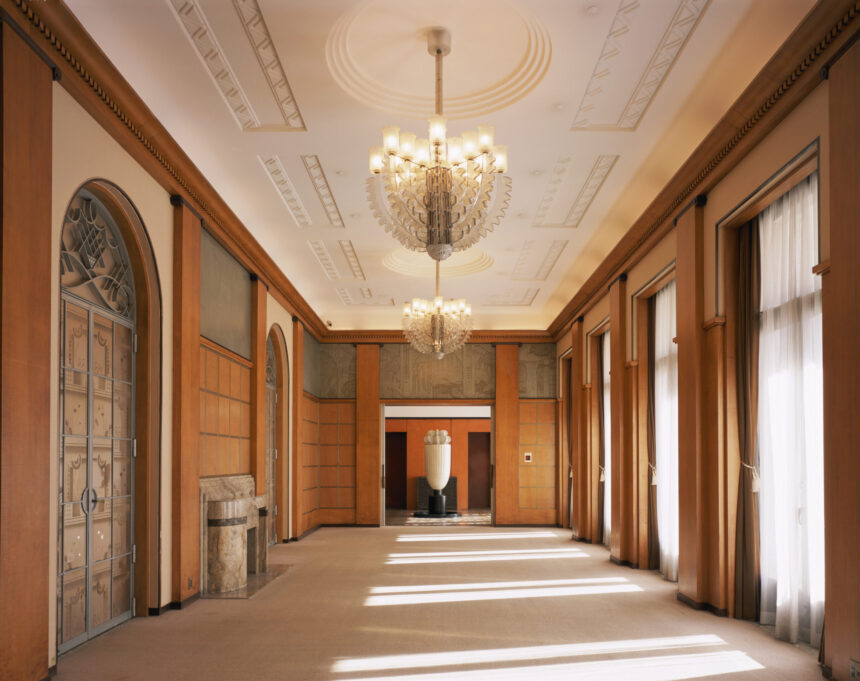
Built in 1933, the Asakamiya Residence was used for a time after the war as the residence of the Minister of Foreign Affairs, official residence, and state guesthouse, but in 1983 it was converted into an art museum, where it remains to this day. After undergoing a major renovation, it was designated as a National Important Cultural Property in 2015 (Heisei 27). At the time of its completion, France was at the height of its Art Deco period. Fascinated by this, Prince and Princess Asaka appointed French artist Henri Lapin to design the main rooms. The building was designed by Gondo Yokichi, an engineer at the Imperial Household Ministry’s Shokuryo (Interior Ministry) who studied modern Western architecture, and the result was a building that mobilized the skills of Japanese and French craftsmen. Today, visitors can enjoy special exhibitions related to architecture and art in this precious space, and the beautiful garden and restaurant are also popular.
Spot OutlineOutline
| address (e.g. of house) | 5-21-9 Shirokanedai, Minato-ku, Tokyo |
|---|---|
| Access | 6 min. walk from Shirokanedai Subway Station |
| phone | 050-5541-8600 |
| Business Hours | 10:00~18:00 |
| regular closing day | Mondays (if Monday is a national holiday, the museum will be open on Monday and closed the following day), Year-end and New Year holidays |
| External Links | |
| Founding and opening of business | 1933 (Showa 8) |