

Shinto shrineUeno, Yanaka, Nippori
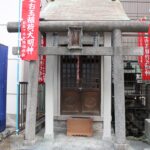
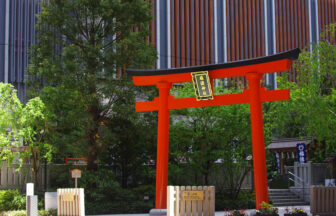
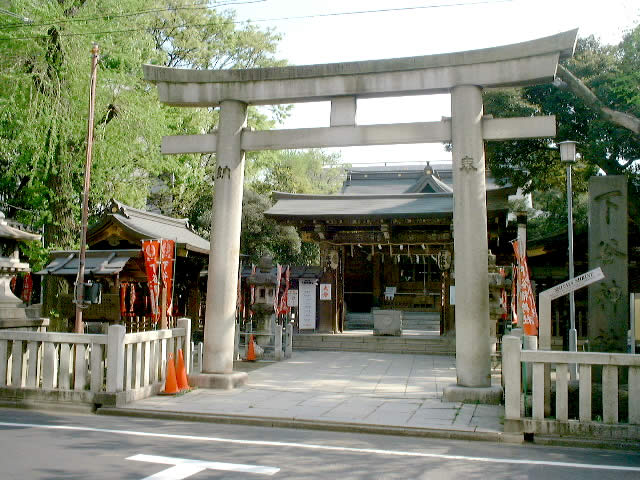
Shimotani Shrine(Shitaya Shrine)
entertainment hall (for rakugo, manzai, magic, music, etc.)Taikan YokoyamaShouka ShikiInari (god of harvests, wealth, fertility, etc.)rakugo
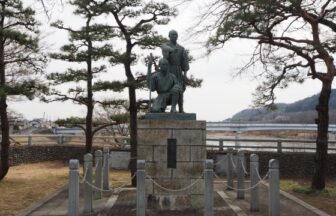
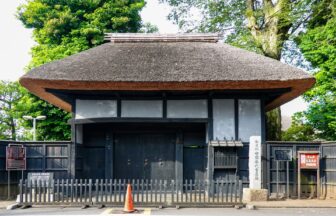
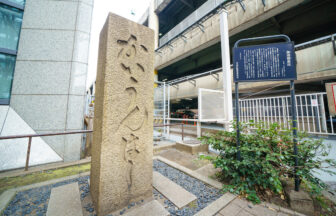
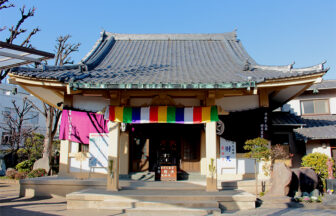
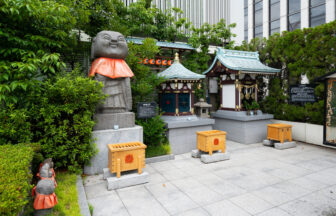
The shrine was built in the Nara period (710-794) and is said to be the oldest Inari shrine in Tokyo. 1798, rakugo storyteller Sanshotei Karaku held his first Yose (performance) here in Edo, and the shrine is known as the birthplace of Yose, for which a stone monument was erected. In the Meiji period (1868-1912), Shiki Masaoka gathered his friends here and held a haiku gathering. The ceiling of the hall of worship features a magnificent ceiling painting, “Ryu” (Dragon), by the master Japanese painter Yokoyama Taikan.
Spot OutlineOutline
| address (e.g. of house) | 3-29-8 Higashi-Ueno, Taito-ku, Tokyo |
|---|---|
| Access | 6 minutes from JR Ueno Station, 2 minutes from Subway Inaricho Station |
| phone | 03-3831-1488 |
| Business Hours | 9:00~16:00 |
| regular closing day | nashi (Pyrus pyrifolia, esp. var. culta) |
| External Links | |
| Founding and opening of business | 730 (Tempyo 2) |