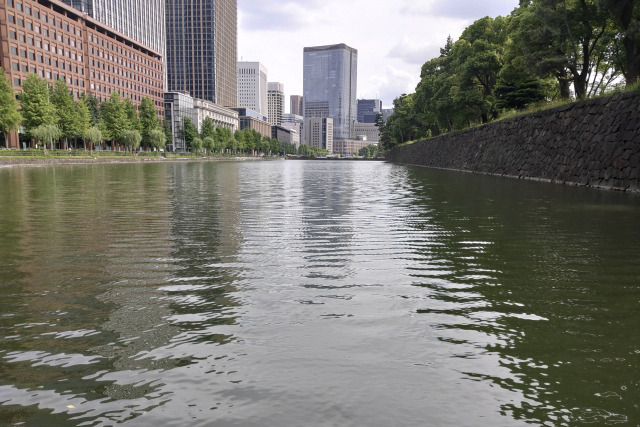
Imperial Palace

historic siteMarunouchi/Yaesu

Imperial Palace(Imperial Palace)

Imperial household

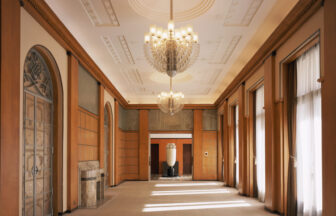
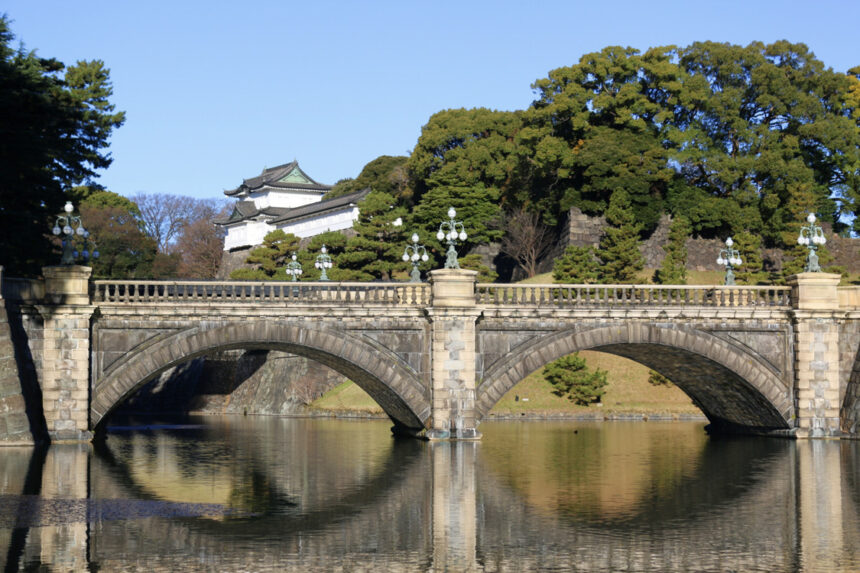
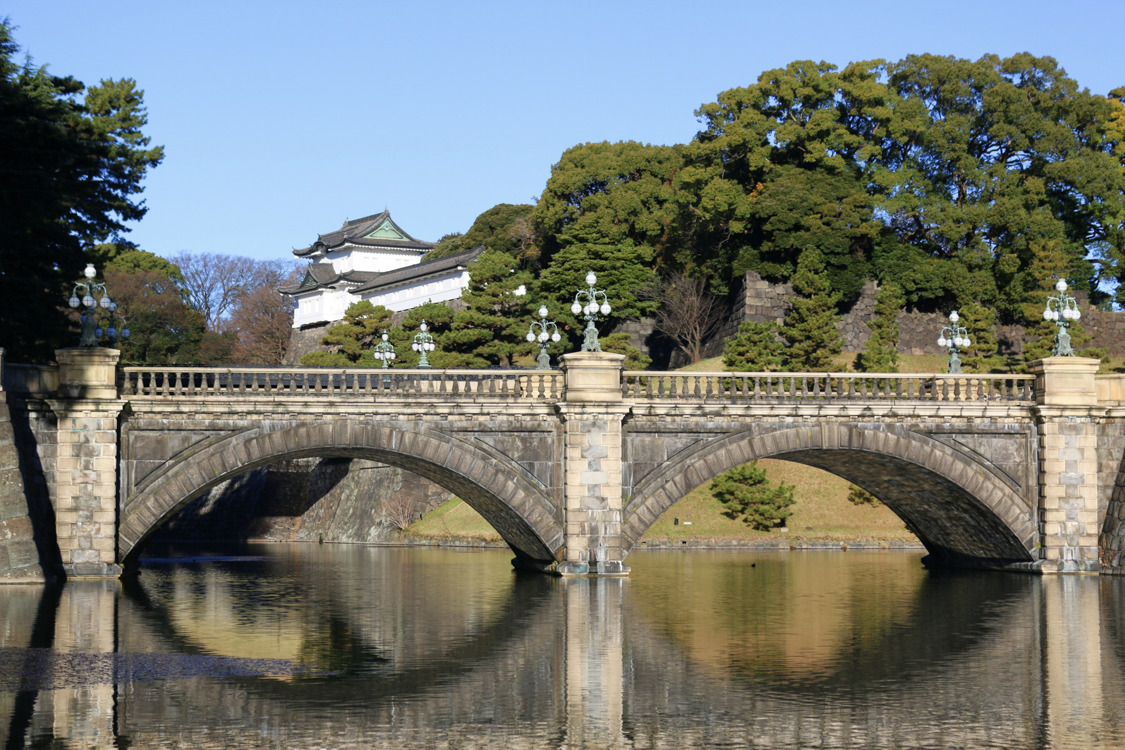
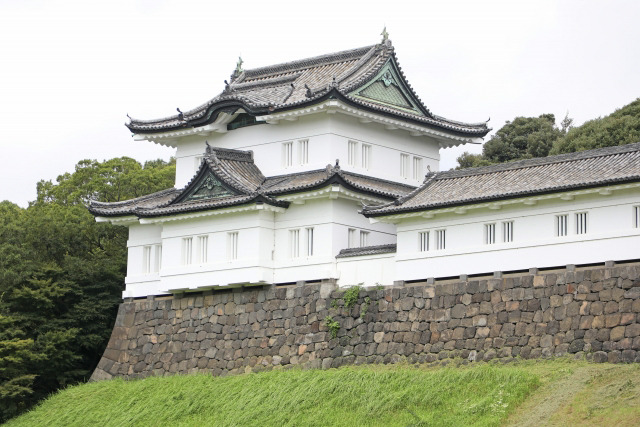
Originally the residence of the Tokugawa Shogunate (Edo Castle), it was turned over to the new government in 1868 (the first year of Meiji) and became the residence of the Emperor. It was originally called Miyagi (Palace), but in 1948, the name Miyagi was dropped and it became known as the Imperial Palace. On January 2 and the Emperor’s Birthday, a public visit to the Imperial Palace is held, and visitors can enter from the Imperial Palace Square through the Main Gate and Nijubashi Bridge to the front of the Imperial Palace. The entrance to the Imperial Palace is through the Main Gate and Nijubashi Bridge from the Imperial Palace Square.

Spot OutlineOutline

address (e.g. of house) 1-1 Chiyoda, Chiyoda-ku, Tokyo
Access (To Nijubashimae) 2 minutes from Sakuradamon subway station, 3 minutes from Hibiya subway station, 3 minutes from Nijubashimae subway station

phone 03-3213-1111 (Imperial Household Agency)
Business Hours None (The East Gardens open at 9:00. Closing time depends on the season)
regular closing day None (The East Gardens are closed every Monday and Friday. However, it is open on all holidays except the Emperor’s Birthday. When Monday is a holiday and the park is open, it is closed on Tuesday. Also closed from December 28 to January 3)
External Links

Official Web Site

Founding and opening of business 1868 (first year of Meiji era)

新着・おすすめ情報

  1. When do we display the “Akumayumi” outside of Children’s Day? Explanation of its origin

  2. Kiyosumi Garden

  3. 徳丸北野神社(東京・板橋)

  4. Katsusenji Temple (Kitasenju, Tokyo)

  5. triangles of sweet rice jelly topped with adzuki beans (eaten in the sixth month)

  6. Hamura Intake Weir

  7. stalk (of a mushroom, leaf, etc.)

  8. Shimbashi Tamaki-ya has been in business for 240 years, and serves everything from tsukudani (food boiled in soy sauce) to glaces to add color to Japanese and Western dining tables with its “Hikiku, Gentle, and Warm” service.

  9. Kanda Myojin

  10. With 670 years of history, yet unafraid of change. Shioze Sohonke” continues to innovate ambitiously.

  11. Shoin Shrine (Setagaya, Tokyo)

  12. Changing flavors and characteristics from generation to generation: the management strategy of the long-established “Tokiwando Thunder Stirrers’ Okoshi Honpo,” founded in 1816.

  13. New Year’s decorations

  14. Hatoyama Kaikan (Otowa, Tokyo)

  15. day of the ox in midsummer (during the hottest season)