Tokyo Literature Walk] No. 4: Cultural City of West Tokyo, from Seijo-Gakuen to Roka Koen

Tokyo Literature WalkMeguro, Setagaya

Part 4: Cultural City of West Tokyo, from Seijo-Gakuen to Roka Koen

Setagaya Literature CenterRaytheon HiratsukaRoka TokutomiSeijo GakuenKunio YanagidaYokomizo SeishiEdogawa Rampo (novel by Edogawa Rampo, published by Kodansha)Ashika Park

From the classics to poetry to entertainment, there are many places in Tokyo associated with literature. Some are the settings of works, some are the names of places incorporated in works, some are the ruins of writers’ residences, and some are places where important literary movements took place.……The “I” in “I” is the name of a person who is a member of a group. Such so-calledsacred placebook reviewer/Writer LiteratureYouTuberThis corner introduces a selection of literary spots selected by Mr. Yuma Watanabe (Skezane) of Mr. Skezaneh’s commentary on literary spots and his report on actual tours of the city will be presented together.

This time, we walked or took a bus to Roka Park from Seijogakuenmae, the upscale residential area.

Yuma Watanabethree

Book reviewer, book review YouTuber

Literature Walk Navigator

While working as a scenario writer at a game company in Tokyo, he has been active as a writer, book reviewer, and book review YouTuber since 2021. He is in charge of the Mainichi Shimbun’s Literary Review (from April 2022). He is the author of “Monogatari no kagi: 38 hints that make reading 10 times more fun” (Kasama Shoin).

The origins of Seijogakuenmae, a coveted luxury residential area

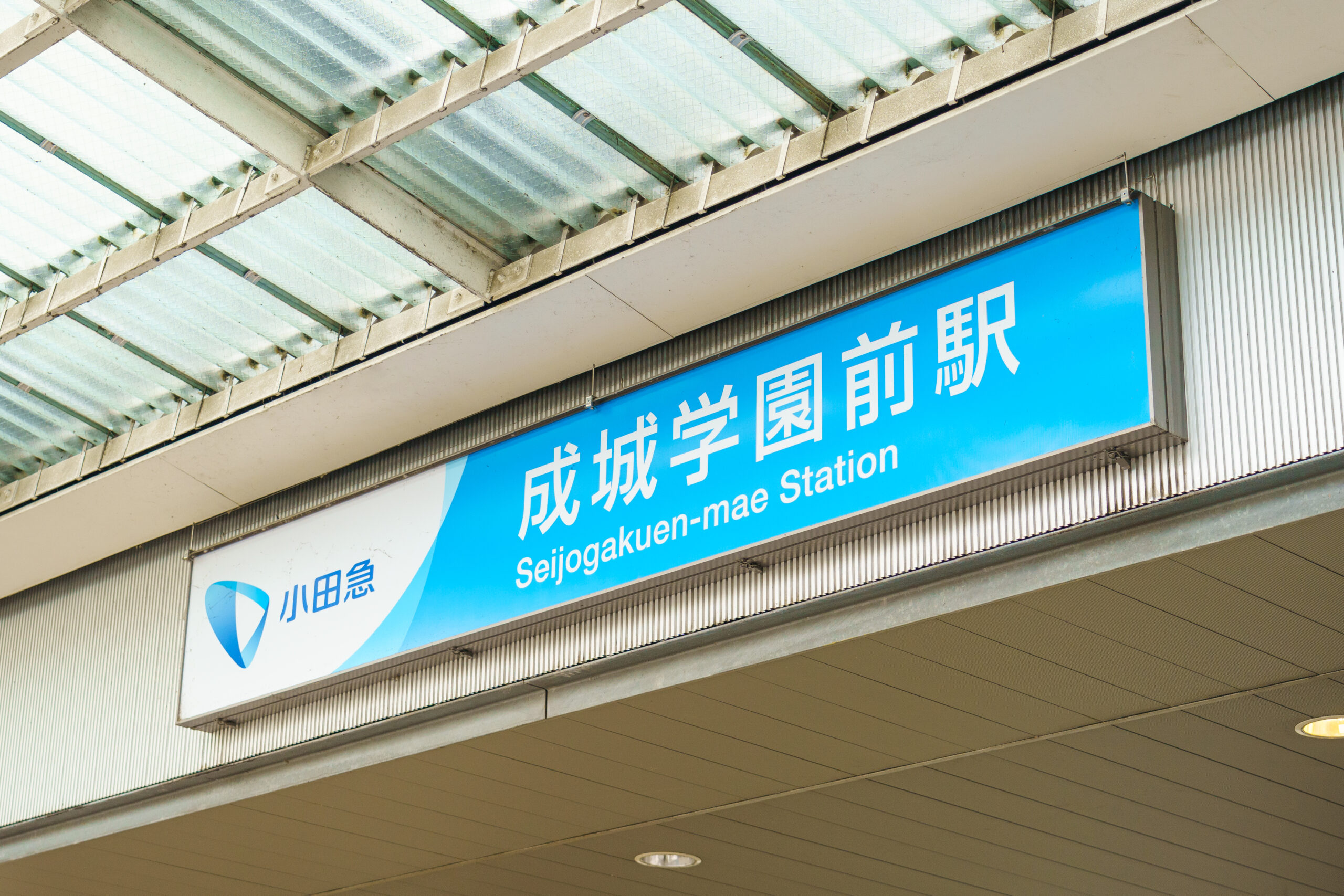
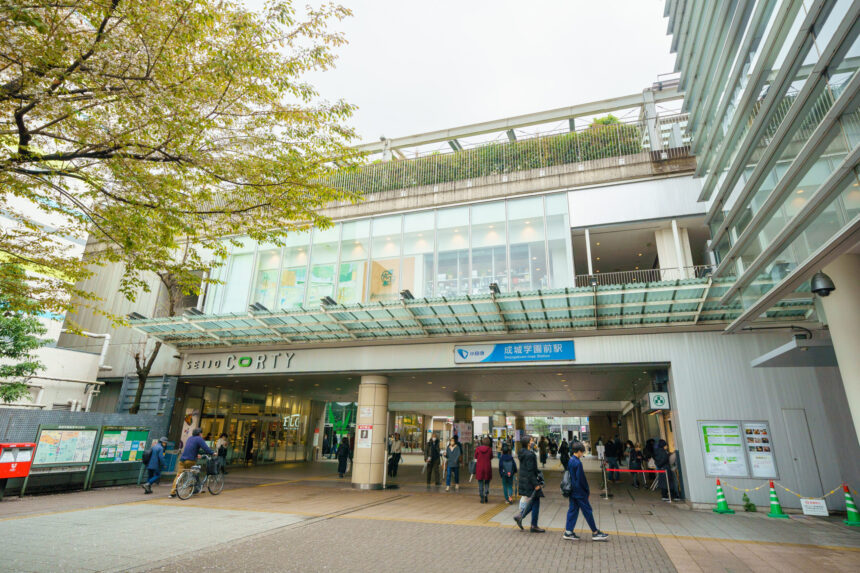
The Seijo area centering on Odakyu Seijogakuenmae Station is one of the most exclusive residential areas in Tokyo, along with Denenchofu. 2002 saw the Odakyu Line go underground, and 2006 saw the construction of the “Seijo Corti” station building. There are no large tenant buildings or electronics retail stores, and the four-story station building, which houses a supermarket and restaurants, is one of the largest buildings in the station area. Incidentally, except for Odakyu OX in the station building, the nearest supermarket is Seijo Ishii’s Seijo store. As one would expect from Seijo, the nearest supermarket is Seijo Ishii.

The image of Seijo-gakuenmae as a “celebrity town” is probably well known. But we only know the surface. Because, don’t you have opportunities to go there very often? Unless you have relatives or friends living there, or it is the closest station to your alma mater, it is not a tourist area, and I have never heard of anyone from the countryside wanting to visit Seijo-gakuenmae.

But I guess that’s OK. After all, this is a residential area. And perhaps the fact that it is not a place you would visit on a whim also adds to its value.

While such safety is of course a matter of course, the safety of the Seijo area actually lies in a more fundamental aspect. Located on the Musashino Plateau, the city is on solid ground and was developed as a residential area with disaster prevention in mind after the Great Kanto Earthquake of 1923. The only stores in the town are almost exclusively located near the station, and the area soon becomes a residential area.

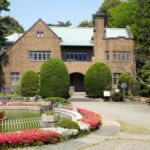
Former residence of Raiteu Hiratsuka

The town became the upscale residential area that it is today when Seijo Second Middle School, the predecessor of today’s Seijo Gakuen, was relocated from its current Shinjuku Ward location to Kinuta Village, Kitatama County (today’s Seijo, Setagaya Ward) in 1925. Seijo Gakuen was founded in 1917 in present-day Shinjuku-ku, but was hit by the Great Kanto Earthquake. The school was then hit by the Great Kanto Earthquake and moved to the suburbs to pursue its philosophy of education that would allow students to become more familiar with nature.

At that time, the town was rich in nature and not as sophisticated as it is today, but this changed drastically with the relocation of Seijo Gakuen, a highly trusted educational institution.

After the relocation in 1925, kindergartens and high schools continued to be relocated and founded, and a station on the Odakyu Line, which later opened, was established, gradually increasing the population, and at the same time, the area was systematically developed as a “school town,” laying the foundation for the present Seijo.

Attracted by such a culture, many cultural figures immigrated to the area. These included Kunio Yanagida, Hakushu Kitahara, Saneatsu Mushanokoji, and Raiteu Hiratsuka.

From the site of the former residence of Raiteu Hiratsuka, one can recall a corner of such a newly developed residential area.

Many cultural figures moved to the area with the relocation of Seijo Gakuen

Returning toward the station one block from the ruins of the former Hiratsuka Raiteu residence, you will come across Seijo Street. Turn left on this main street and turn right at the first intersection, where you will see a row of tall, dense ginkgo trees lining both sides of the street. On the corner stands a low-rise housing complex with brown tiles. It is said that the father of the heroine, Rikako, lived in this apartment building when Studio Ghibli made the TV animation of Saeko Himuro’s coming-of-age novel “Umi ga Kikoeru” (“The Sea Is Audible”).

And if you continue on under the foot of the ginkgo trees, you will reach Seijo Gakuen, the birthplace of this town.

Seijo Gakuen (Kunio Yanagida Folklore Research Institute)

Seijo Gakuen is famous as a school for children of good families, but how did such a tradition come about?

As mentioned earlier, Seijo Gakuen moved to this location with several principles in mind, and many people and businesses that resonated with these principles also moved to the city. Among them was P.C.L., the predecessor of the movie company Toho.

The P.C.L. was a cooperative that studied and practiced film development and photography, and moved to the Seijo location in 1931 when the need for filming and recording talkies arose.

This was followed by the migration of film directors such as Mikio Naruse and Kajiro Yamamoto, and actors such as Hideko Takamine and Chikako Hosokawa. This was followed by the migration of non-film cultural figures, as mentioned above, and in this way, the Seijo area became home to many cultural figures.

Then, of course, they would enroll their own children in Seijo Gakuen. In this way, the school culture of Seijo Gakuen became firmly established.

The “Seijo Charter,” formulated mainly by the neighborhood association, maintains the comfort of the town.

Searching for a route from the station to the campus, the suggested route is to go east along the Odakyu Line tracks to reach the south gate of the school building. The total distance is 240 meters, a three-minute walk. However, the route we took from Seijo-dori is probably more pleasant.

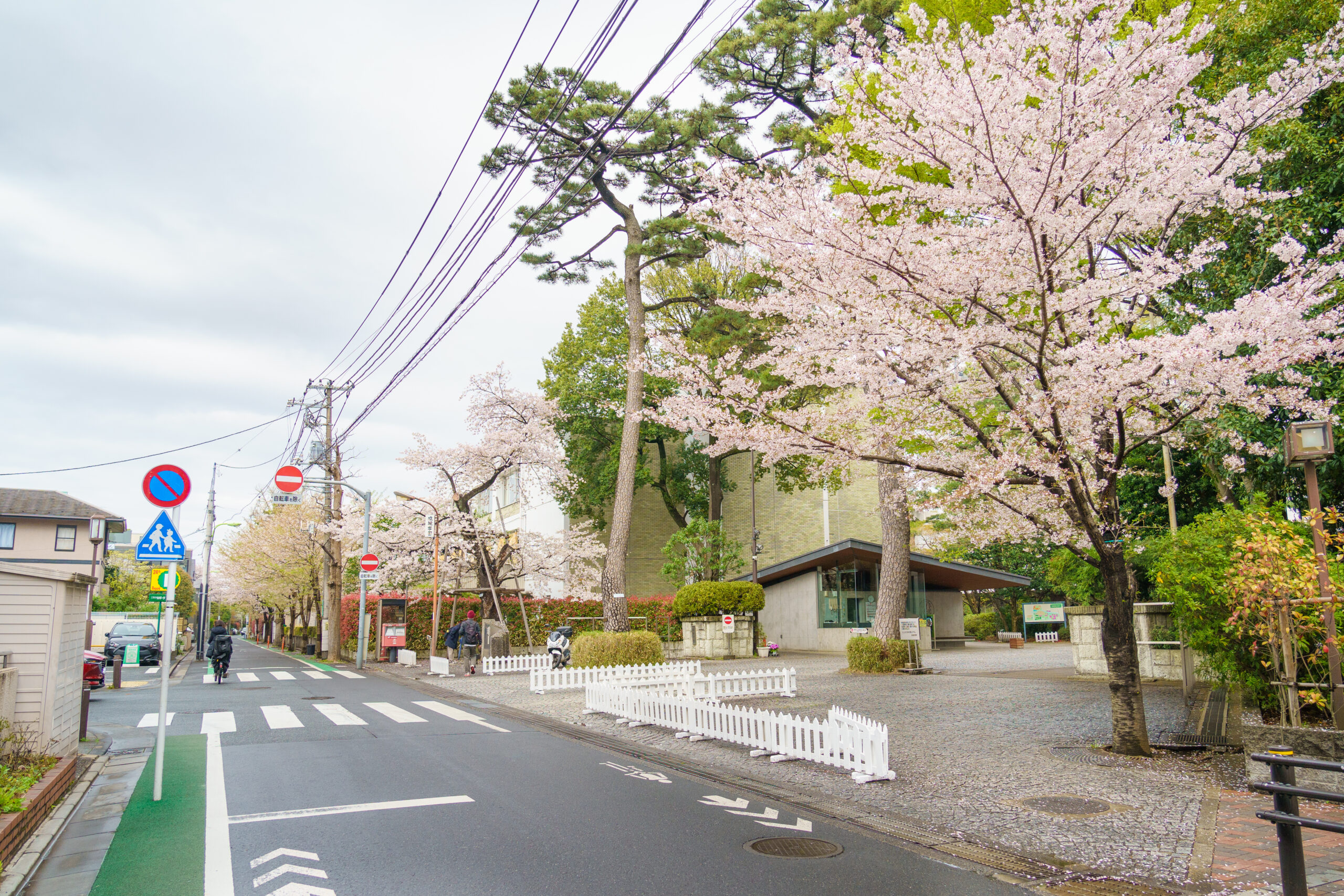
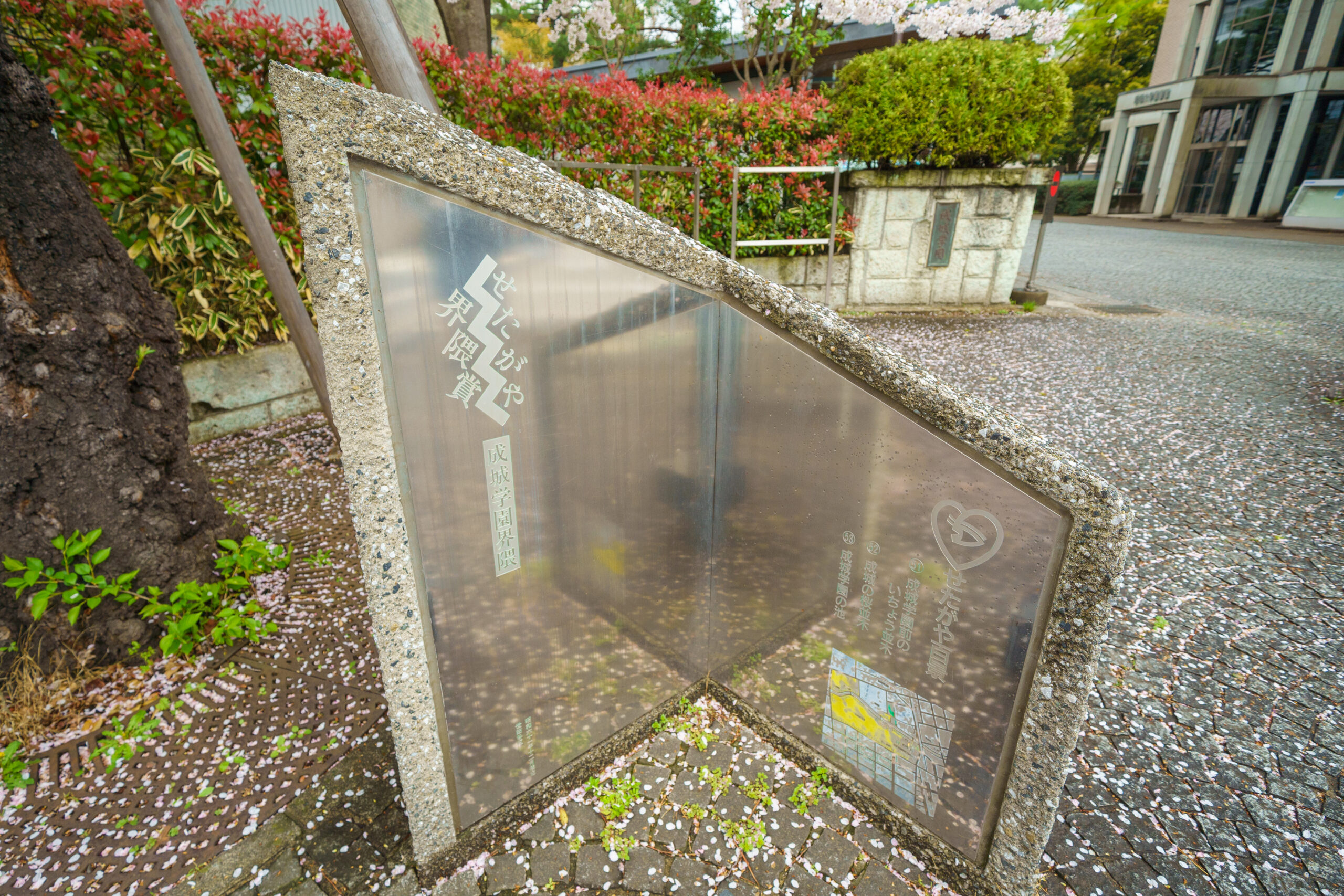
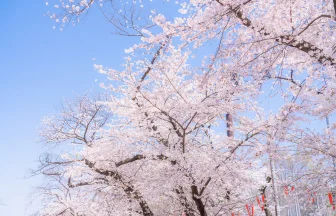
and you will notice a small monument by the post outside the gate. The Seijo Gakuen neighborhood has been awarded the Setagaya Neighborhood Award, and the “rows of ginkgo trees in front of Seijo Gakuen,” “rows of cherry trees in Seijo,” and “pond in Seijo Gakuen” have been selected as one of the “Setagaya 100 Sceneries.

The city has a “Seijo Charter” established by the Seijo Neighborhood Association. The introduction to its formulation purpose (preamble) is as follows.

Our town, Seijo, was created in the Taisho era (1912-1926) as an ideal school town, combining the location of Seijo Gakuen with the development of suburban residential areas. Seijo has an image as a quiet and clean residential area surrounded by a lush natural environment that retains the atmosphere of Musashino, as well as a sophisticated school town (omitted).

In order to protect the town and lifestyle of Seijo and maintain a livable environment, the plan lists nine items to be complied with, including restrictions on building height and site subdivision, preservation of greenery on the site such as hedges and trees, and construction that takes into consideration the landscape and aesthetics. It was formulated in 2002 and has since been updated according to the times.

It is no wonder that the entire town is somewhat comfortable. It is not “somehow,” but the result of the residents doing their best to maintain the residential area, which was developed in the Taisho era with the aim of creating an ideal environment, so that it does not wear out over time. So, when you take a stroll through the city, you may suddenly find the Kunio Yanagida Residence still standing. Unfortunately, I was not able to take pictures this time, so I will introduce only Skezane’s writings.

green buildingGallery (former residence of Kunio Yanagida)

Yanagida moved to this area when he was working for the Asahi Shimbun newspaper. Since the office was located in Yurakucho at the time, he probably commuted to work via Shinjuku on the Odakyu Line.

At that time, Seijo boasted a large presence of residents’ associations, which were responsible for interaction among residents, crime prevention and disaster prevention activities, and the establishment of rules for town development. Yanagida was apparently one of the founders of this association, which shows his strong presence in Seijo.

The Ryouinkan Gallery is the site of Yanagida’s home, but it seems that the residence of architect Kenzo Tange was also once located across the street.

Roka Park is where Tokutomi Roka, a Meiji Era writer, lived in his later years.

I took a bus from Seijo-gakuenmae Station. In this town, I was softly bathed in the scent of culture that has been connected to the city since the Taisho period (1912-1926), but I did not come in contact with any specific literary remnants. Therefore, this time, we are going to experience the rich literary heritage of the city.

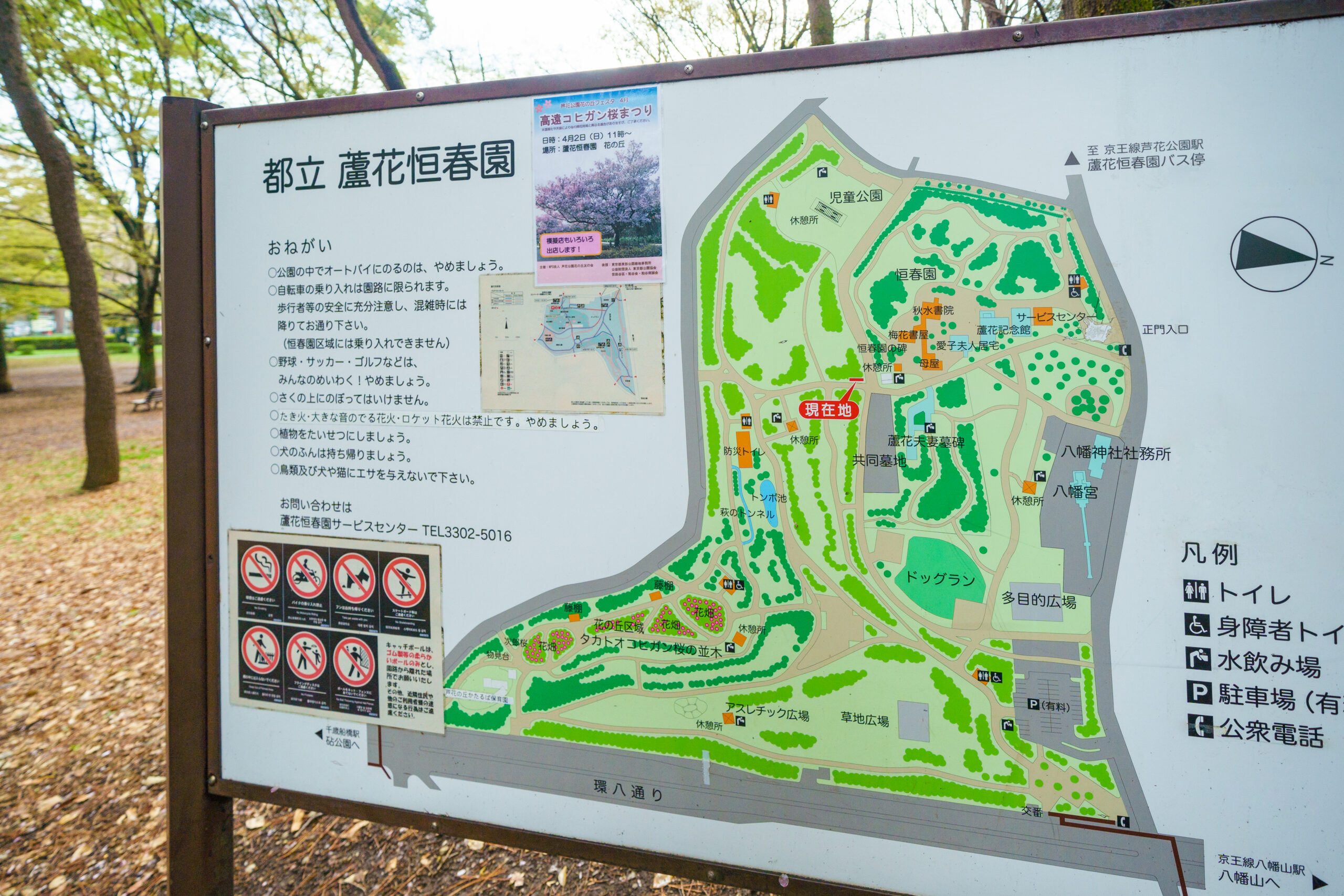
The destination is “Roka Koshunen,” a park centering on the former residence of Tokutomi Roka. From the west exit rotary of Seijo Gakuen Mae Station, take a bus bound for Chitose Funabashi Station (or Chitose Karasuyama Station) and get off at Chitose Chugakko Mae stop. This little trip was quite interesting.

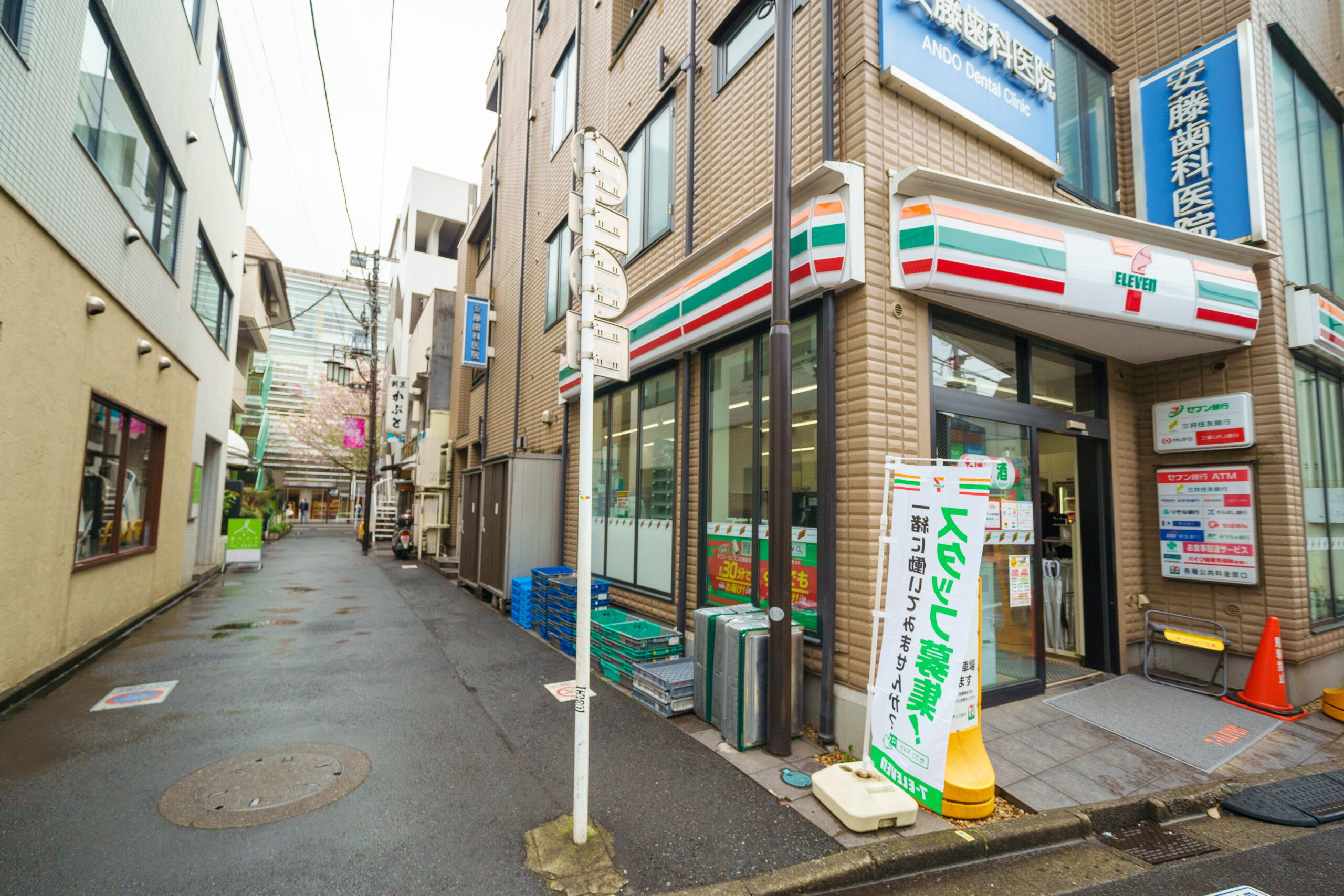
The bus drove from in front of the station, passing by ginkgo trees, cherry blossom trees, and houses with spacious and elaborate homesites. The bus slowly made its way through the upscale residential area, like a tour bus at a theme park. Then, gradually, convenience stores appeared, and the bus encountered a town center, where huge condominiums and gas tanks appeared in the landscape.

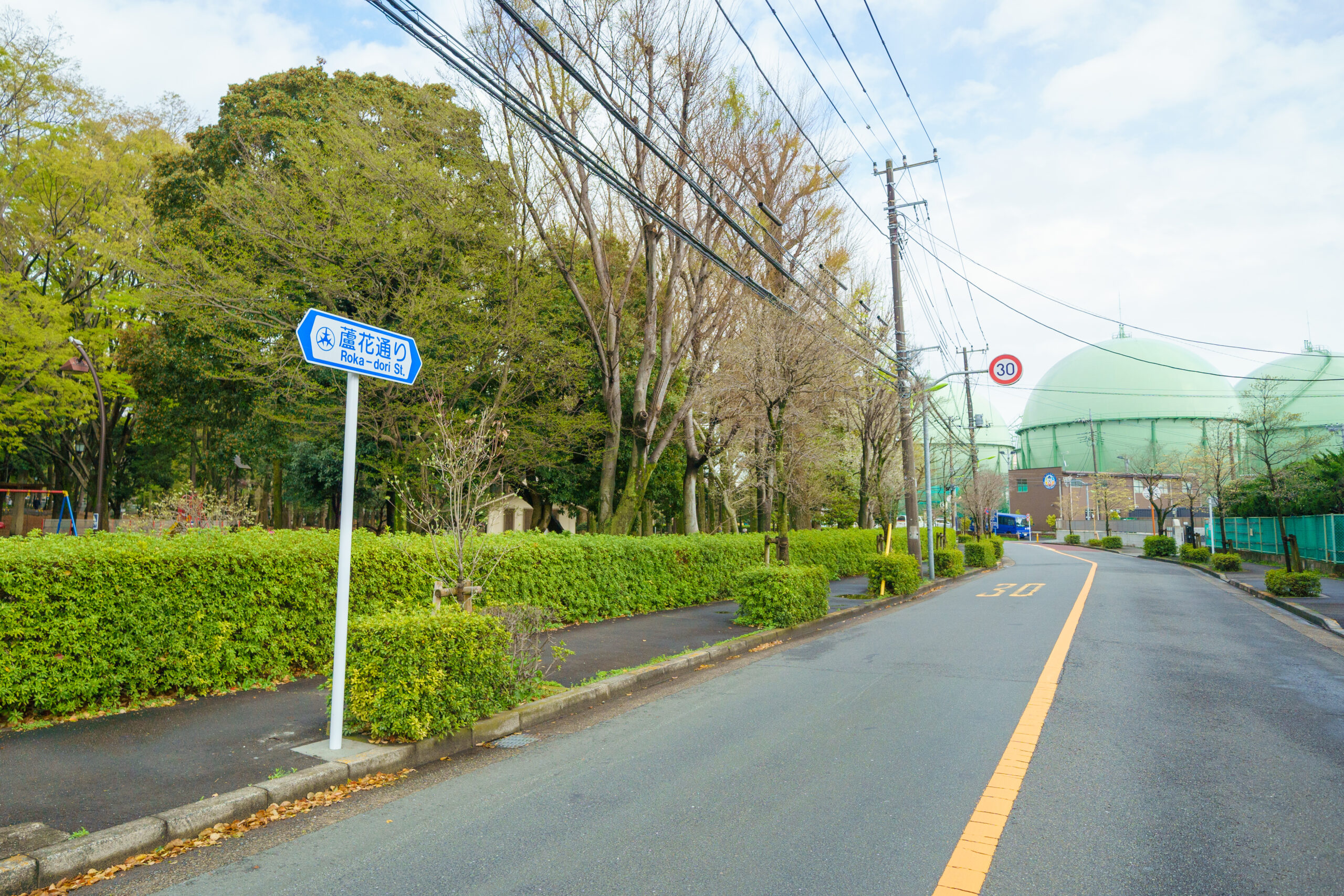
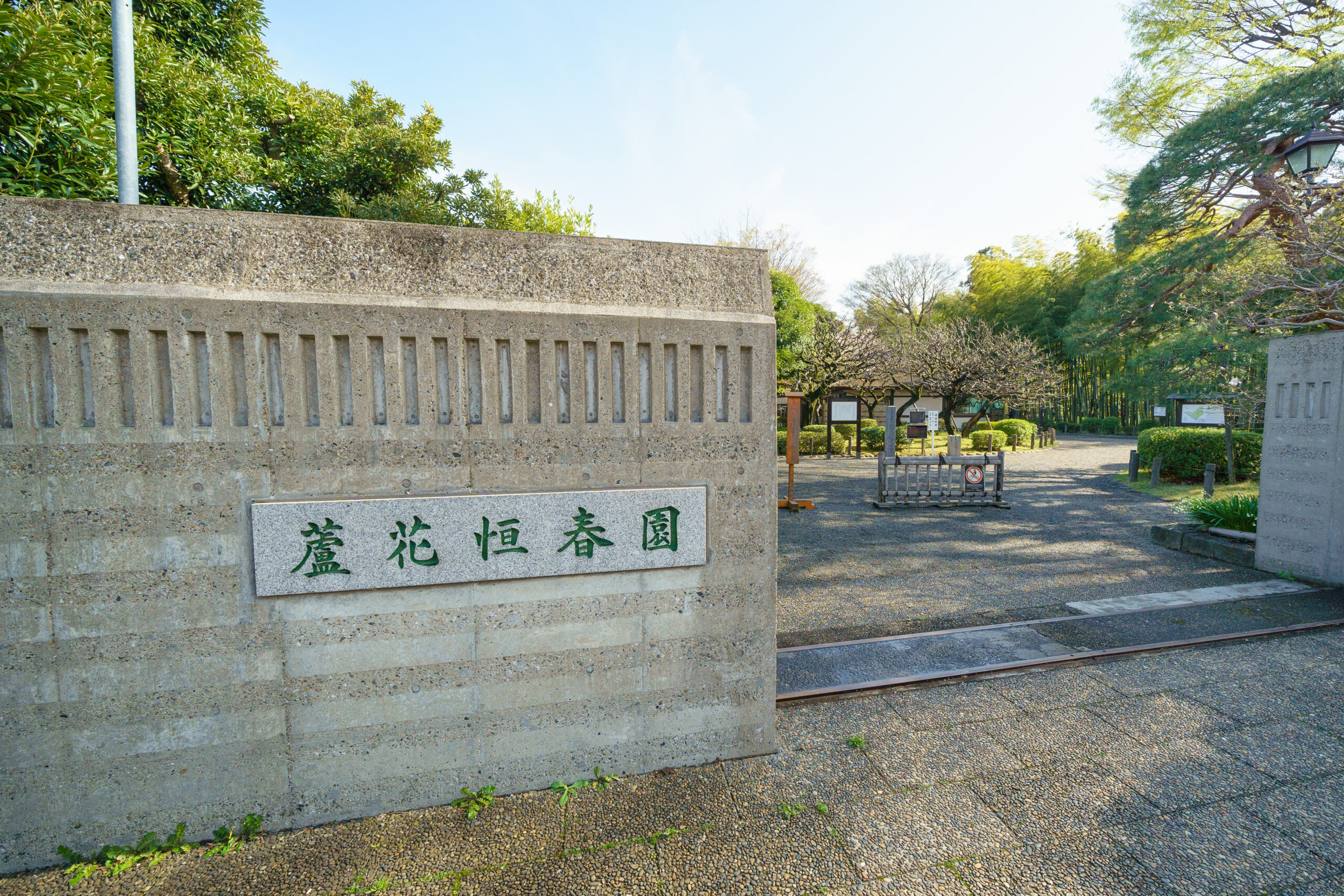
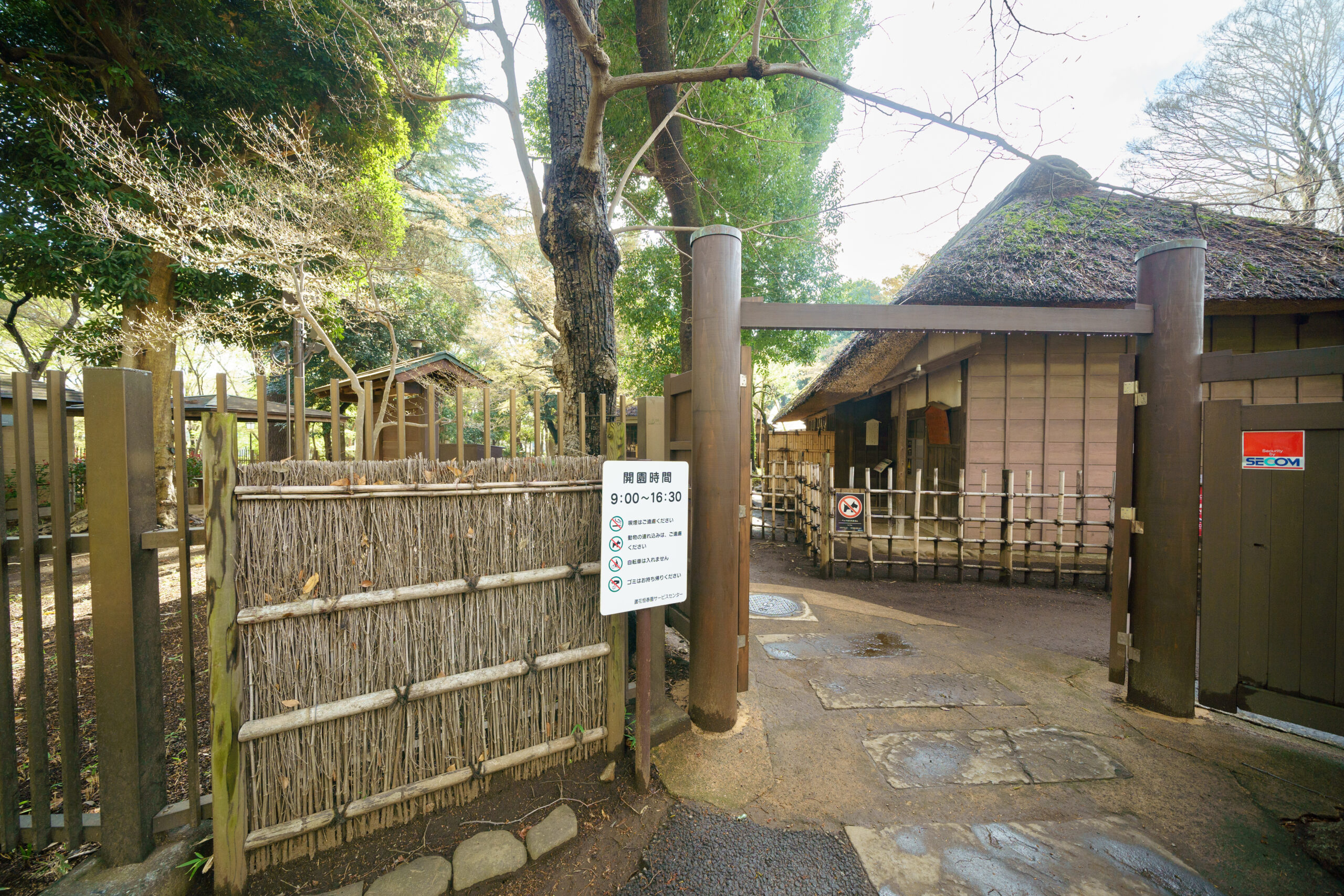
After walking along the aptly named “Roka Dori,” an eight-minute stroll will take you to Roka Kenshunen. The main gate looks like this.

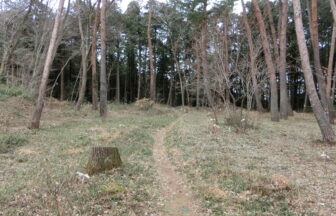
However, this route takes you to the back side of the facility. At first glance, it looks like a rather large children’s park. At first glance, it looked like a rather spacious children’s park, and because it was a bit spacious, it looked a bit lonely. We arrived at the park a little after 2:00 p.m. on a weekday afternoon, and the only people in the park were a mother with her young child playing, a jogger, a passerby, and a person taking a nap on a bench, which added the perfect “lonely spice” to the park.

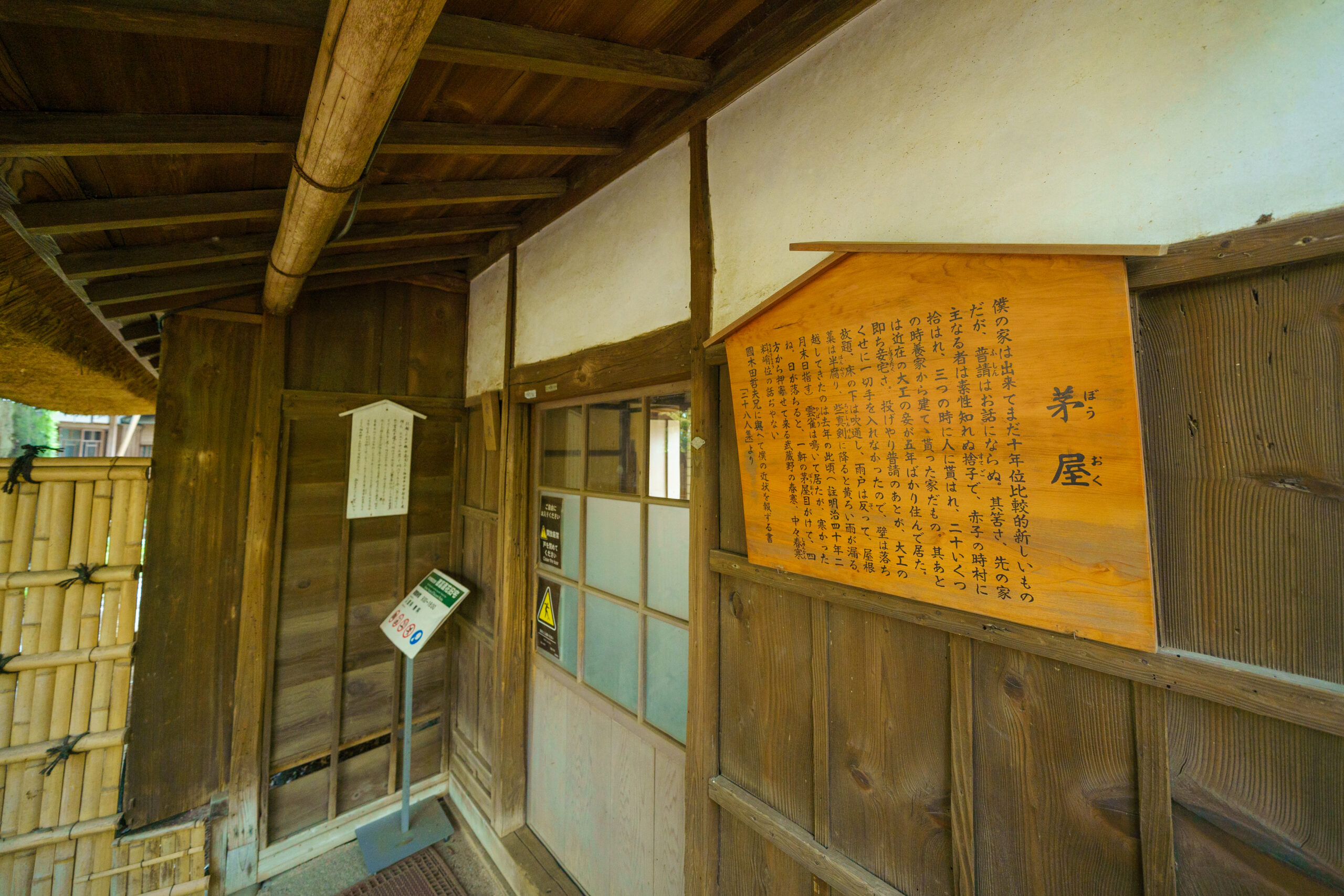
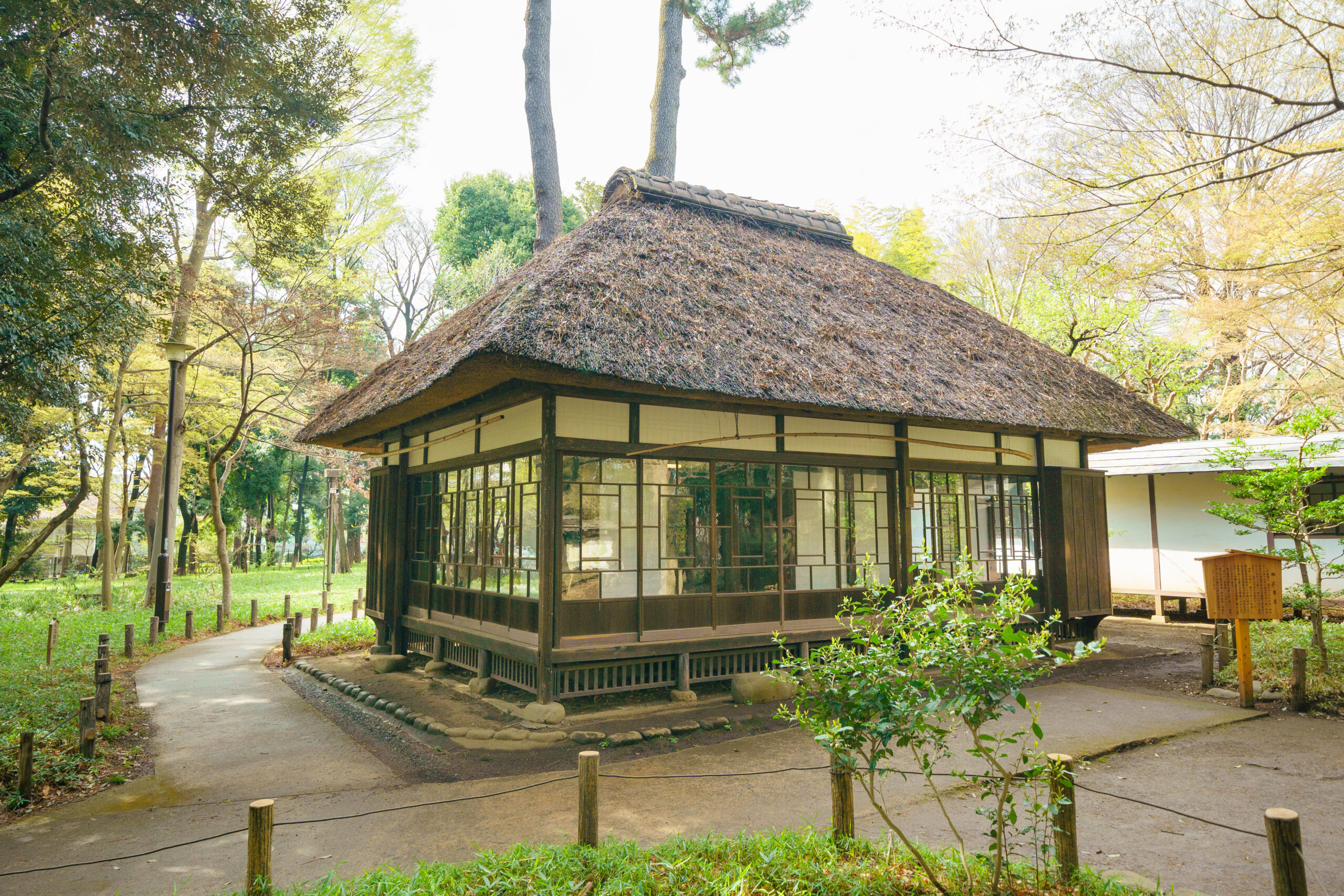
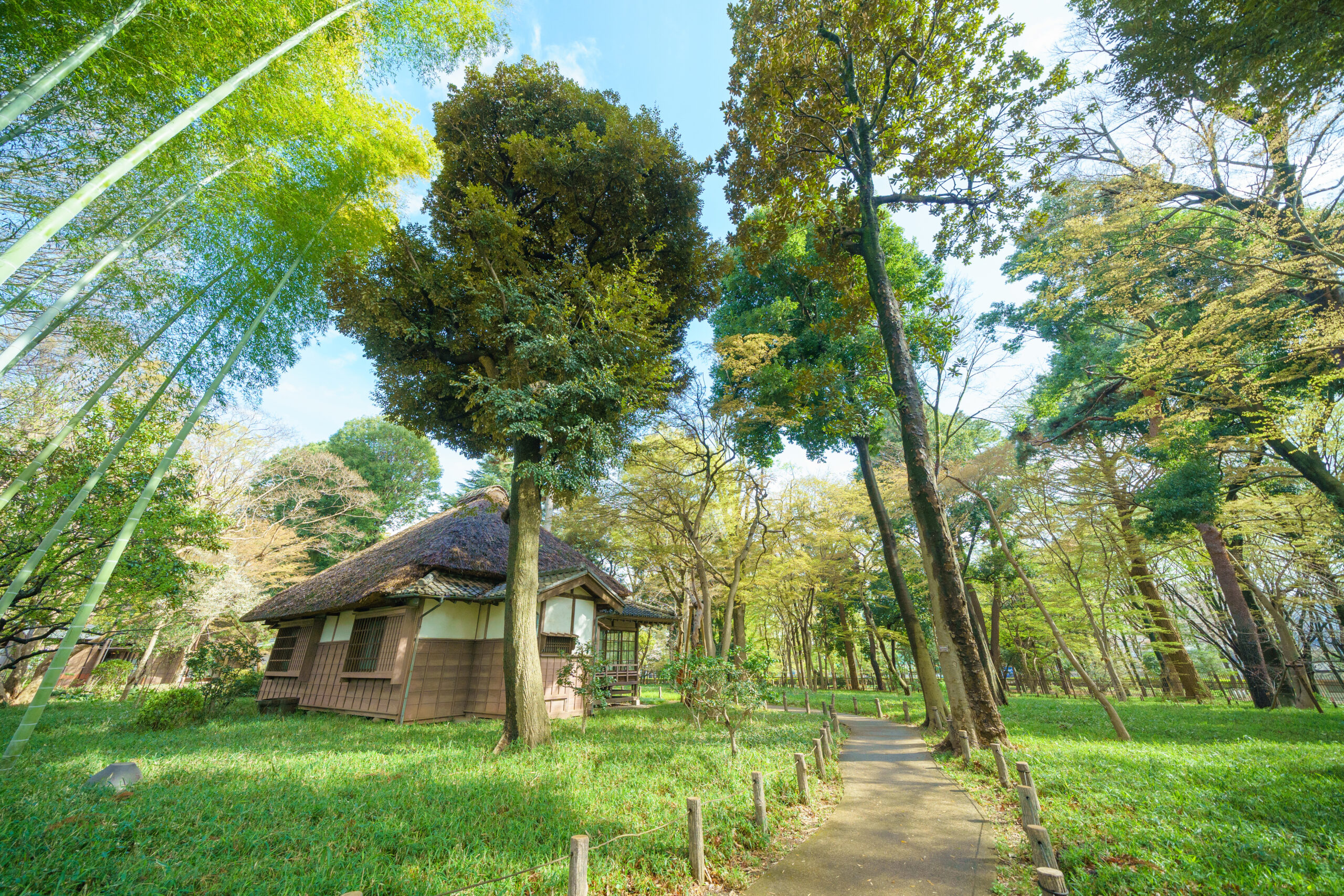
The graves of Roka Tokutomi and her husband, Roka Tokutomi, and the house where they lived in their later years are preserved behind the children’s park. Visitors can see for free the building as it was in those days, with the household goods and other items that Roka actually used. The somewhat lonely children’s park served as a nice appetizer for our literary stroll.

Former Residence of Roka Tokutomi

We have seen Seijo-Gakuen as an upscale residential area, but until its relocation, the area was nothing but wooded areas and fields (of course, it was not named Seijo-Gakuen). (Of course, it was not even called Seijo-Gakuen.)

In the Meiji era, the center of Tokyo was located in the east. The area to the west of the present-day Tokyo Station, Asakusa, and Ueno were the center of prosperity, and the area to the west was unmistakably “countryside. Therefore, those who lived in the “city center” loved the area of western Tokyo called Musashino in search of nature.

Among them was Tokutomi Roka, who finally decided to emigrate. He moved to Kasuya, Chitose-mura, Kitatama-gun, Tokyo in 1907, and lived a life far removed from the literary world while working as a farmer himself.

The current Roka Kenshunen is where Roka spent the last years of his life.

On the 10th anniversary of Roka’s death in 1936, Mrs. Aiko donated the entire former residence, including the house and arable land, to the then city of Tokyo for maintenance.The park is about 8 hectares in size. It may have once been a farming village, but now it is conveniently located between Roka Koen and Hachimanyama in Setagaya Ward. Although it is called “the late years of Harukoh,” a best-selling author who moved from Aoyama bought a farmhouse, renovated it, moved to a house he liked, and turned it into a salon with three buildings connected by a corridor, so I imagine that the local people must have had a strong sense of being foreigners.

However, “Roka Park” was originally a place name that I had heard of, and Roka Tokutomi was also a name that I had heard of in literary history, but it had never occurred to me, to my shame, that it was “Roka’s Park.

The Setagaya Literature Museum” brings the joy of literature to men and women of all ages.

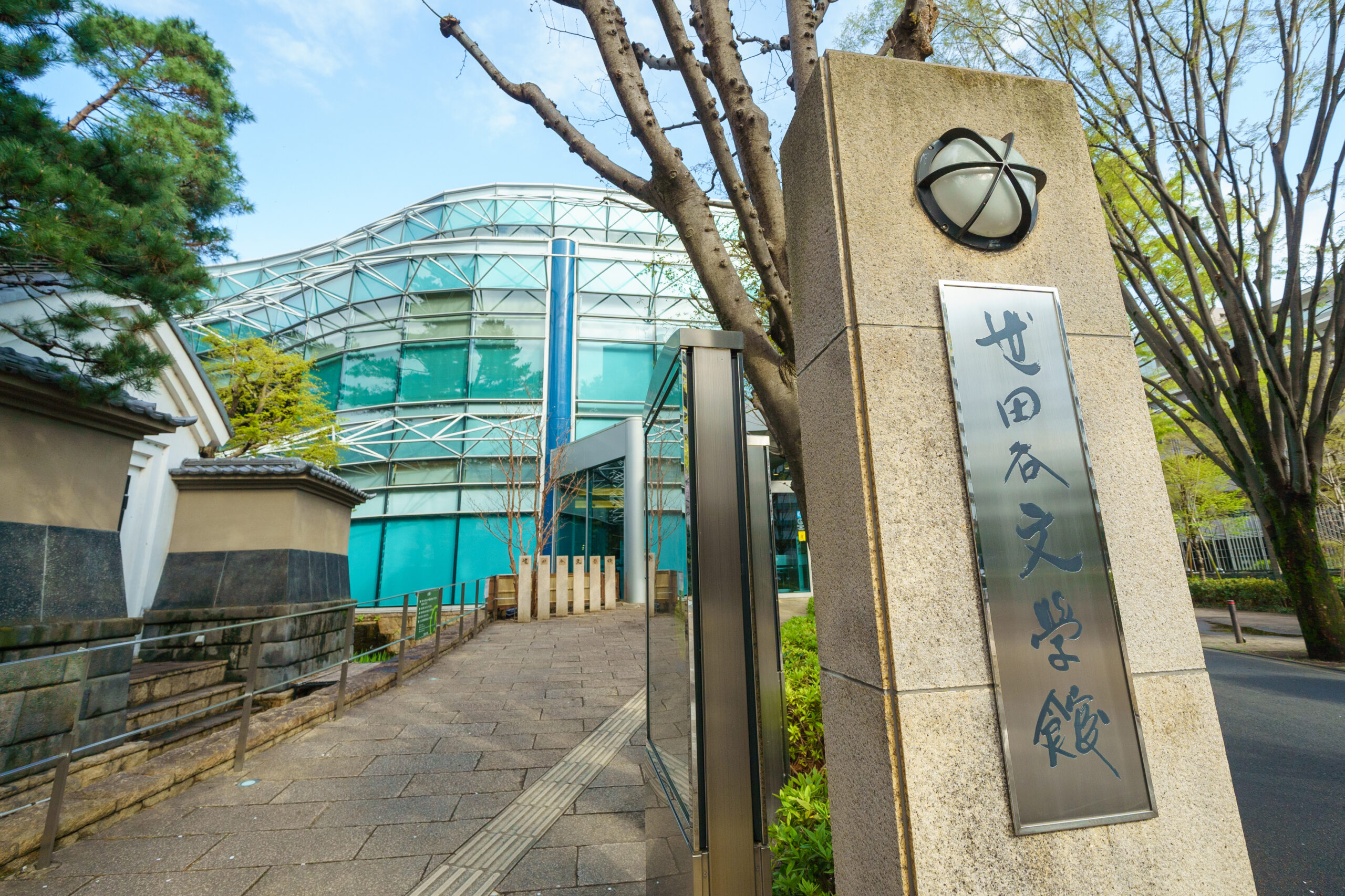
And if you have come this far, from a “literature walk” point of view, there is no way not to stop by the Setagaya Literature Center. A modern glass-walled building can be seen less than a 10-minute walk from the main gate of Roka Koshunen. If possible, please call it “Setabun” to be familiar with it.

The museum opened in 1995 in the Minamikarasuyama area of Setagaya Ward, Tokyo, as the first comprehensive modern literature museum in the 23 wards of Tokyo. It was built adjacent to the residence of Masakichi Kubo, founder of Utena, a cosmetics manufacturer headquartered in this area. Incidentally, the first special exhibition at Setabun was “Yokomizo Seishi and ‘Shin Seinen’ Writers” (Yokomizo Seishi and ‘Shin Seinen’ Writers Exhibition). Many detective novels by Seishi Yokomizo, Rampo Edogawa, and others were published in “Shin Seinen” magazine, which became popular at the same time as the development of Seijo Gakuen. It is said that they settled in the very town of Seijo Gakuen.

Setagaya Literature Museum (Yokomizo Seishi, Edogawa Rampo)

Yokomizo Masashi and Edogawa Rampo established the Japanese detective novel. They were almost the same age, debuted at about the same time, and subsequently maintained a lifelong friendship, both as understanding friends and rivals.

Yokomizo moved to Tokyo from Kobe, and after recuperating and evacuating, he began living in front of Seijo Gakuen in 1948. He had severe claustrophobia and severely disliked riding vehicles, and did not often leave Seijo.

Rampo often visited Yokomizo. Rampo described Yokomizo’s residence as “a rather splendid house overlooking a large rice field and surrounded by a yellow earthen wall with a roof,” and recalled, “Yokomizo-kun and I talked until five in the morning.

At the same time, Yokomizo was suffering from hemoptysis while continuing to write the detective Kosuke Kindaichi series. The fact that Yokomizo was able to portray an aloof detective while suffering from hemoptysis may have been a blessing in disguise for Seijo.

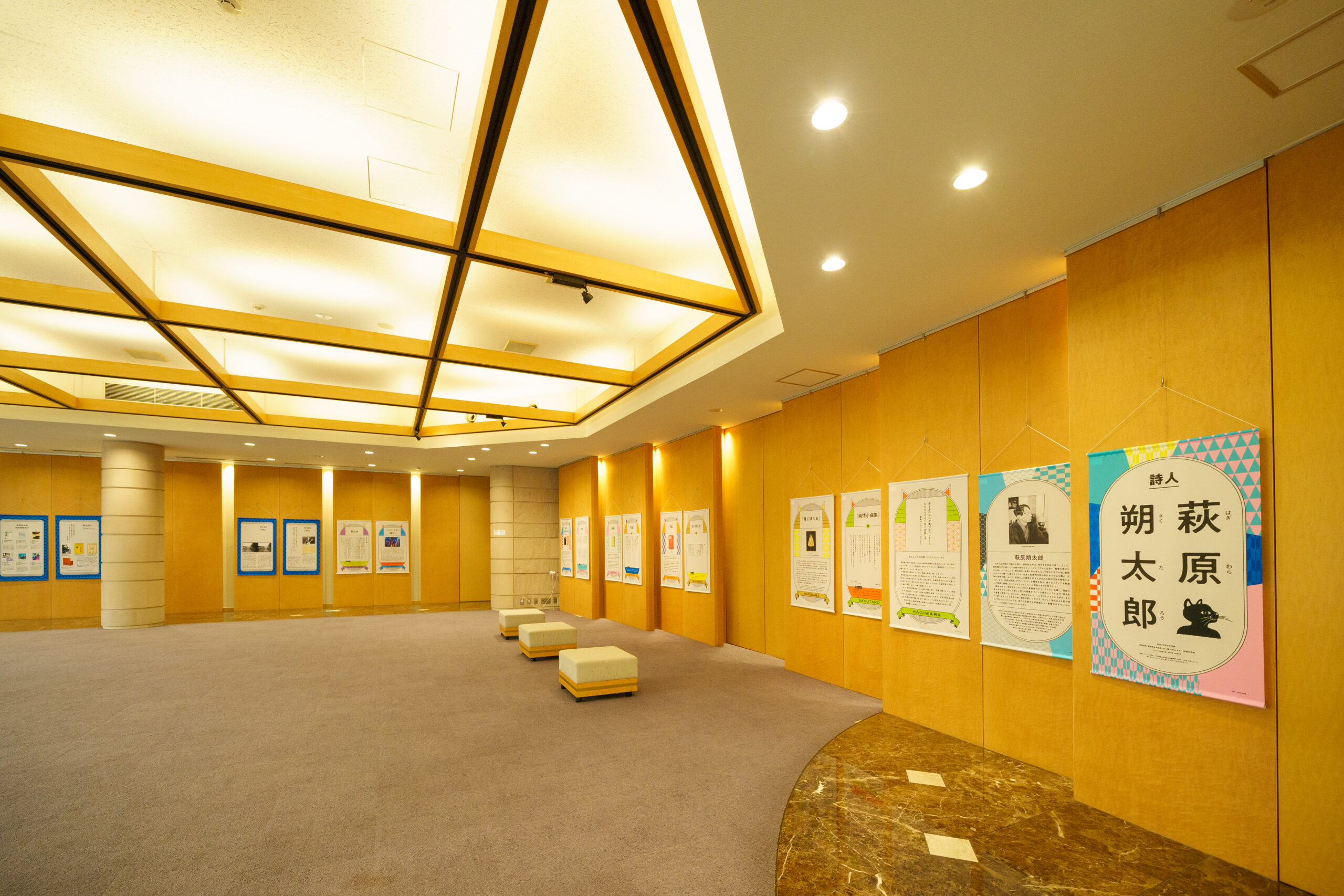
The Museum of Literature” may sound like a place where visitors fold their arms and “appreciate” the writers’ manuscripts and other items related to them in showcases, but Cetabun is completely different (although it does have a large collection of rare and valuable items). (Though of course it houses a number of valuable collections.) The goal of the museum is not to learn about the artist in the manner of Wikipedia, but to understand what kind of world the artist has created and what kind of fascination the work has. What is the appeal of his/her work? And to let all people, regardless of age, realize that “literature is fun.

So, for example, the photo below shows an exhibit by Sakutaro Hagiwara, and we designed a pop tapestry with images of his works and the contents of the exhibit. This is a nice idea that can be rented out to each school and used as a “mobile literature museum” that can be exhibited as is!

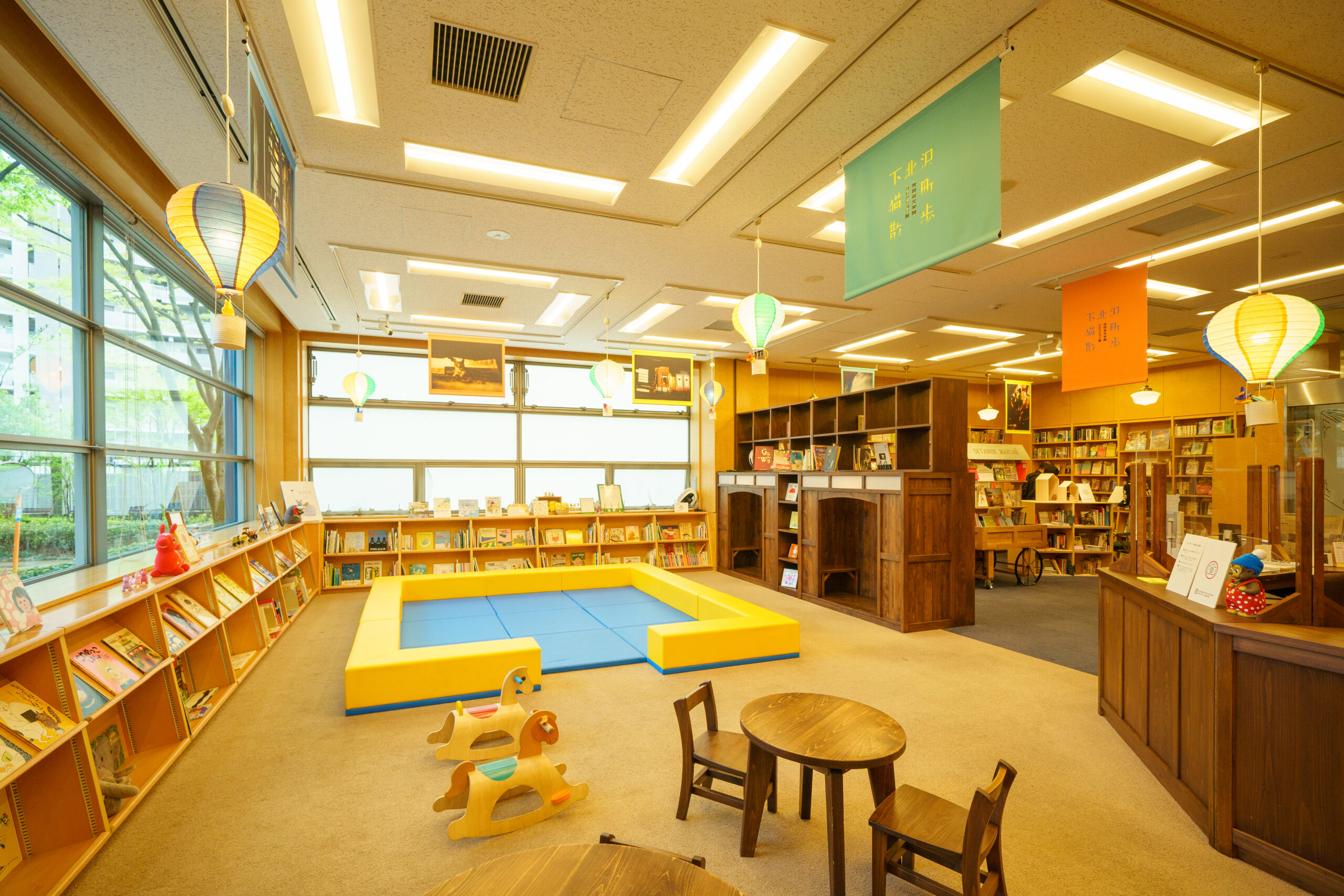
In addition, the library “Honowa” offers a space where children and books can be enjoyed with a nursing room and a space for storytelling, as well as a well-stocked bookshelf where visitors can read catalogs from past exhibitions and related selections.

Many of his fans are also fixed on his diverse exhibitions, which present various forms of expression as literature, regardless of genre. The exhibitions held so far include “Ango Sakaguchi Exhibition,” “Movies and Setagaya,” “Shuntaro Tanikawa Picture Book Work Exhibition,” “The Immortal Hero Ultraman Exhibition,” “Suzue Minai and ‘The Glass Mask,'” “Seiichi Horiuchi: Travel, Picture Books and Design,” “The Greatest Tezuka Osamu Exhibition on Earth,” “Yasutaka Tsutsui Exhibition,” and others.

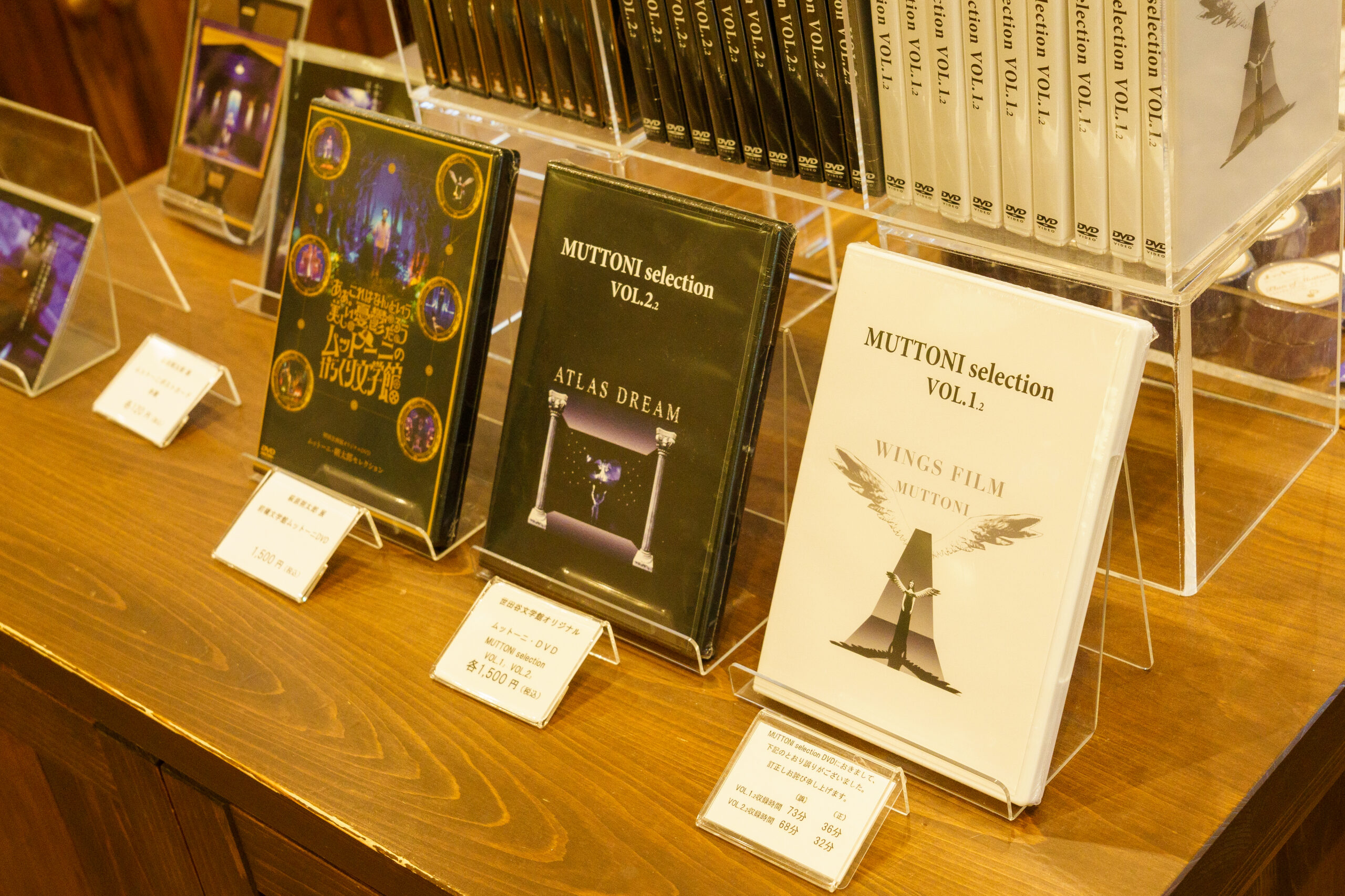
This is Muttoni’s karakuri, a literary work expressed through music, light, and the circular motion of puppets and stage sets.

With such a facility nearby, it is impossible not to become a book lover. This time, I took a leisurely literary stroll from Seijo-gakuen and took a bus and walked quite a bit, but you can also come here for the cetabun in the first place. In that case, it is only a 5-minute walk from Keio Roka Koen Station. In that case, it is only a 5-minute walk from Keio Roka Koen Station, though it is not likely to be a “walk” since you can enjoy yourself here.

*Reference for Yuma Watanabe’s column
Takahito Niikura, A Social History of Yamanote “Seijo”: City, Middle Class, and Culture, Seikyusha, 2020.

Interview and text by Atsunori Takeda (steam)Photo: Satoshi OkuboLiterary Commentary: Yuma Watanabe

新着・おすすめ情報

  1. The first “in-house work of a samurai”. Yoshinoya Shoten” has been lighting up the nights of Japan with Edo lanterns for 168 years.

  2. Noge-Otsuka Tomb (Setagaya, Tokyo)

  3. Nihonbashi (bridge)

  4. Seppuku monaka” and “Keikyuu monaka” …… “Shinshodou” produces wagashi that are both humorous and delicious.

  5. rice cake with bean paste wrapped in a preserved egg

  6. How do you read “shicho”? What do the different expressions mean? Hina Dolls

  7. 【第13回】江戸で蕎麦が流行って定着した理由

  8. clothing (e.g. kimono) decorated with one’s family crest

  9. Four long-established restaurants specializing in nabe cuisine! 4 long-established restaurants specializing in hot pot dishes Let’s enjoy the taste of that famous restaurant by order!

  10. Innovation by “Shinseido”, creator of the unconventional and popular “Seppuku Monaka” product

  11. Gokokuin Taisenji Temple (Meguro Fudo Temple)

  12. Hamarikyu Gardens

  13. Shiba Grand Shrine (the inner shrine of Ise Shrine)

  14. Setagaya Daikan Yashiki

  15. A parting gift for someone who is retiring or moving on. What is the market price, how to choose, and what is the etiquette for giving gifts?