revitalization

Japanese confectionery

revitalization(Okoshi)

Osaka

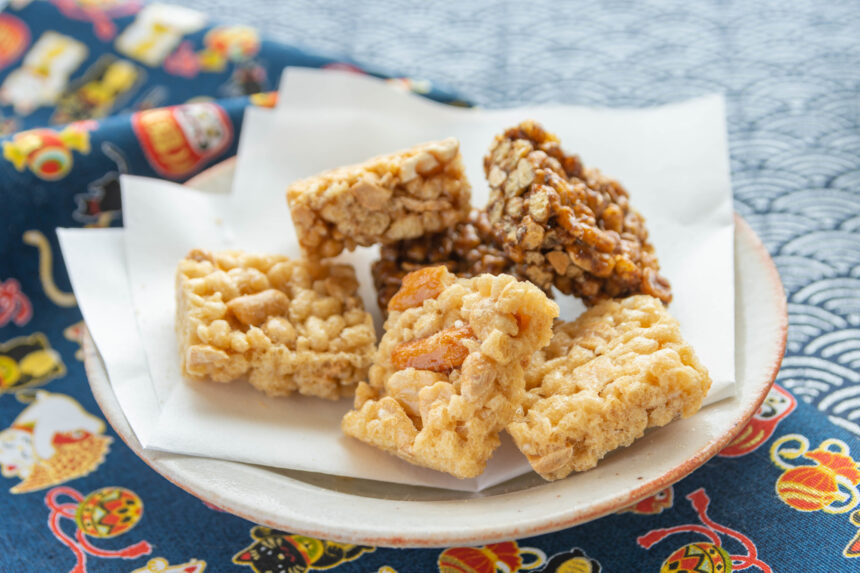
Dried sweets are made by steaming glutinous rice, Uruchi rice, millet, wheat, etc., drying them, roasting and puffing them, mixing them with sugar, syrup, etc., and kneading them into a hardened dough. Various types of okoshi are available, including those with sesame, black beans, peanuts, and other ingredients. Kamini-okoshi, a specialty of Asakusa, Tokyo, and millet okoshi, a specialty of Osaka, are well-known. The history of okoshi dates back as far as the Chronicles of Japan, which records that it was made by hardening dried boiled rice called “dried boiled rice” with honey as an offering to the gods as a prayer for a bountiful harvest. In the Edo period (1603-1867), it became a popular snack for the common people.

新着・おすすめ情報

  1. Kasai Shrine (Kanamachi, Tokyo)

  2. Shinobazunoike Pond Oratory, Kan-eiji Temple

  3. Akatsuka Fudo Falls (Takashimadaira, Tokyo)

  4. skewered eel roasted and wrapped in fried egg

  5. undecorated fabric

  6. Shirokiya Denbei, a long-established shop of all-natural, 99% handmade Edo-style brooms. Why has the tradition been preserved for nearly 200 years?

  7. lined kimono

  8. Tips for enjoying “summer kimonos” in a cool and fashionable way.

  9. 【第11回】江戸時代に生まれた「かけそば」の起源

  10. stem

  11. What is included in “chopstick washing” in kaiseki cuisine? In what order are they served?

  12. eel and cucumber salad, finely sliced, dressed in sake, soy, and vinegar

  13. Rintsushinomori Park (Musashikoyama, Tokyo)

  14. What is Gunkanmaki? Origin of the name, store of origin

  15. Suka Shrine (the outer shrine of Ise Shrine)