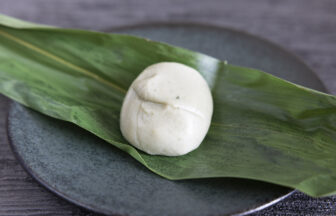
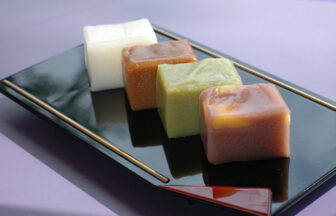
type of soft Japanese confectionery made with rice flour (somewhat similar to Turkish delight)

Japanese confectionery

type of soft Japanese confectionery made with rice flour (somewhat similar to Turkish delight)(Gyuhi)

mochi (glutinous rice or other grain, sticky enough to make mochi rice cakes)bean-jam cake

Mochi confections are made by adding water, sugar, and syrup to shiratama flour or glutinous rice flour and kneading it while heating. It is used in all kinds of wagashi because it remains supple and chewy even after a long time. In the old days, brown sugar and brown rice were used as ingredients, and the finished product resembled the color of cow skin, hence the name “cow skin. However, Buddhist beliefs at that time avoided eating meat, so the name “gyuuhi” was used instead of “ox skin.

新着・おすすめ情報

  1. Asakusa 1 Day Sightseeing Plan] Tour Asakusa’s long-established shops! 5 spots where you can feel history and tradition

  2. marks indicating the Japanese meaning of the texts of Chinese classics

  3. Gokokuin Taisenji Temple (Meguro Fudo Temple)

  4. scabbard

  5. 徳丸北野神社(東京・板橋)

  6. Oshima tsumugi weave

  7. Musashino Central Park (Musashino, Tokyo)

  8. A Walk in Edo with Old Maps] No.4: Was the Yoshiwara brothel located in Ningyocho? A play by day, a brothel by night. A Journey to the Ruins of a Former Pleasure Spot

  9. What is the origin of the name “Gohyakumangoku,” rice suitable for sake brewing? Words related to Sake

  10. polearm

  11. Selecting the best materials for each application and finishing them with craftsmanship: the pride of the long-established “Edoya”, which has been in business for 300 years, in the creation of brushes and bristle brushes.

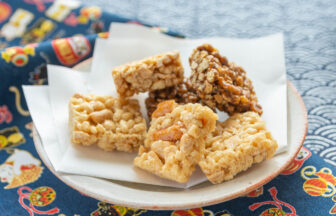
  12. Ginza Matsuzaki Senmochi, a long-established shop, depicts tradition and innovation with its signature product “kawara senbei” (tile rice cracker).

  13. wafer

  14. Chinzan Villa

  15. Eating Doze soup every day to check the taste. The current owner of Komagata Dozeu, a famous restaurant that has been in business since the Edo period, demonstrates his commitment to preserving the taste of his products.