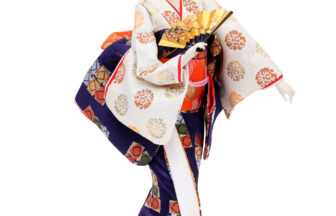
Odai-ningyo” is a doll made of paulownia wood with a Gosho doll on top.

puppet

Odai-ningyo” is a doll made of paulownia wood with a Gosho doll on top.(odainingyo)

doll clothed in imperial palace grounds, esp. in Kyoto and Sapporo

A wooden (often paulownia) stand is topped with a one-foot-tall (approximately 30 cm) Gosho doll, which is surrounded by artificial plants and animals. These special palace dolls are given to children of the Imperial Family by Their Majesties the Emperor and Empress for their healthy growth on festive occasions such as their first visit to the palace or their first festive New Year’s Day. The subjects of these dolls are often derived from auspicious tales and songs, and they express elegance and brightness appropriate for festive occasions.

新着・おすすめ情報

  1. Shukusen, a dyed kimono store for yukata and Edo komon. What is the pride and confidence in the words “Shukusen Kansei”?

  2. Definitions of “Daiginjo-shu” and “Junmai Daiginjo-shu” [Words Related to Sake].

  3. Explanation of the origin of Chirashi-zushi, ingredients used, etc.

  4. lay or stretch out to dry

  5. Metropolitan Takiyama Park, Ruins of Takiyama Castle

  6. Yamamoto Nori Store, a long-established business with 170 years of history. The birthplace of “seasoned laver” talks about its commitment to flavor.

  7. What is the difference between a congratulatory gift and a wedding gift? When to give, the market price, how to choose, etc.

  8. Musashi Ontake Shrine (Ome, Tokyo)

  9. 【第1回】蕎麦の実の殻を完全に取り除いて作る「江戸蕎麦」

  10. 大塚天祖神社(東京・大塚)

  11. Ningyocho Shinota Sushi Head Office, a long-established sushi restaurant serving inari sushi. What changes with the times, and what never changes.

  12. Yigyoin Temple / Sukeroku and Agemaki Hiezuka (Takenotsuka, Tokyo)

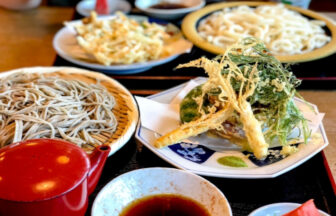
  13. Seiro soba (buckwheat noodles)

  14. Nitta Shrine (Musashishinden, Tokyo)

  15. What is “Nishiki-Tamago”? What is the origin of its name?