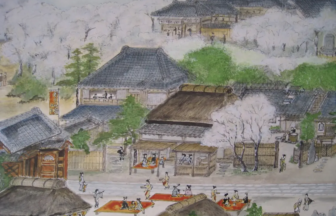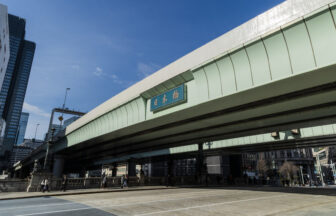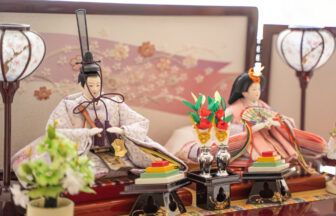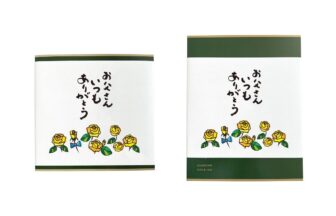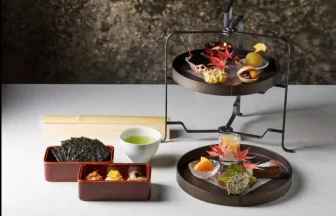


Nihonbashi (bridge)bentobox lunch (containing rice and 10-15 small portions of fish, meat, and vegetables)
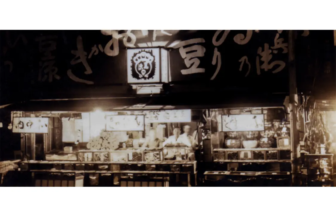
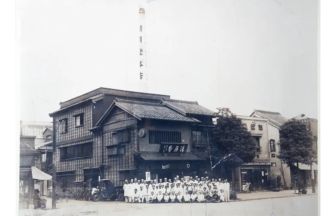
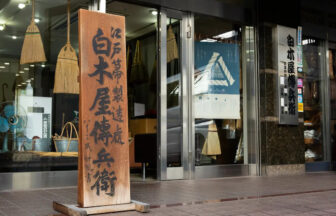
「Nihonbashi Benmatsu Sohonten” traces its origins back to 1810, when a restaurant called “Higuchiya” was opened on the fish market in Nihonbashi. Over the next 213 years, Higuchiya became a bento shop named Nihonbashi Bensho Sohonten, delighting the palates of many customers. We interview Mr. Junichi Higuchi, the eighth generation in charge of this oldest bento shop in Japan.
At the age of 25, he was suddenly appointed president
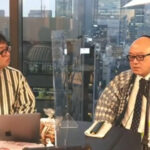
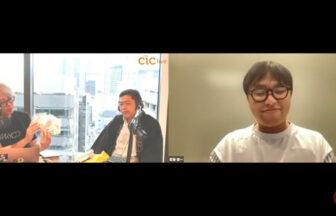
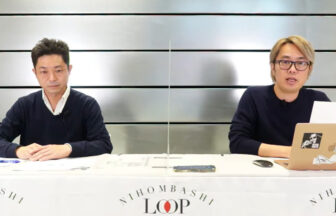
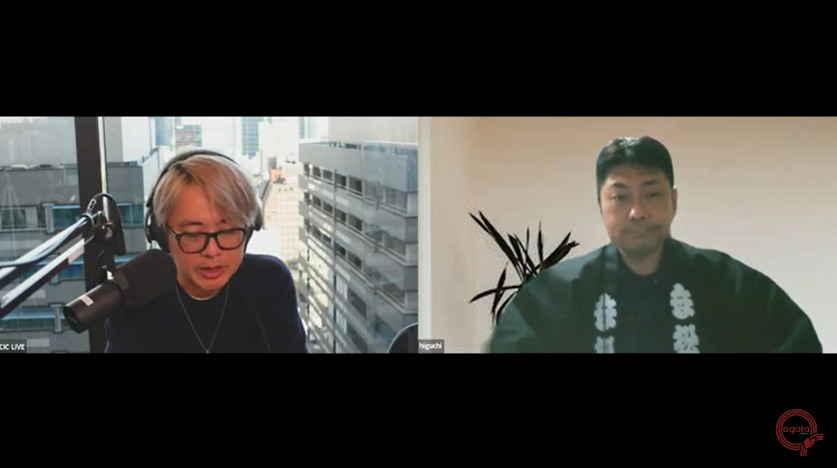
Forest:Now, I would like to ask you to introduce your restaurant.
Junichi Higuchi:Our company was founded in 1850, the third year of the Kaei era, and is the oldest existing box lunch shop in Japan. Our current head office is located in Muromachi, Nihonbashi. The company was also founded in this area. This year marks our 171st year. We have been making lunchboxes for over 171 years. Our factory is not here, but in Koto-ku, at the foot of Eitai Bridge. I would like to talk more about bento later, but every day at the Eitai factory, we start cooking eggs and simmering stews from midnight until delivery time in the morning.
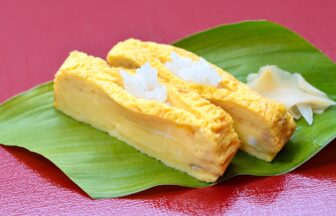
I hope everyone will follow us on Twitter.Nihonbashi Bensho’s TwitterHow many omelets are made in a day?
Mr. Higuchi:One person is handling three pans at the same time. Basically, there are three bakers, sometimes four, and they spend about two hours baking silently. The pots for baking eggs are quite heavy.
And this is how it is packed. Since this is a small factory, we do it in the style of a human being moving, rather than having materials flow on a conveyor belt.
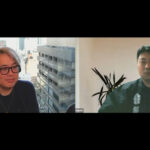
Thank you very much. Next, may I ask Mr. Higuchi to introduce himself?
Higuchi:I am 50 years old now, and after graduating from college, I worked for about two years at a restaurant run by my relatives in Niigata. After that, I joined Nihonbashi Benmatsu. Six months after I joined the company, my father, the predecessor, passed away, and I suddenly became the president. I was 25 years old when I became president, so I have been president for half of my life. I am now the eighth president, and only one of our company’s heads has lived to be 60 years old. The previous generation and the generation before that both died in their fifties. Of course, the first and second generations were still in the late Edo and Meiji periods, and the average life expectancy may have been around that level then, but even in the Showa period, in our case, they died early. So I am working hard on my end-of-life activities, feeling that my term of office will soon come to an end.
That’s great! Is there any cause for that?
Higuchi: I guess it must be bad for my health because I work from midnight.
That is hard work. I was shocked to hear that you took over at the age of 25, and I imagine it must have been very hard work.
Higuchi:What was unfortunate for the employees at that time was that the president was suddenly appointed by someone who did not understand the business of a president at all. I did my best in each case, but looking back, there were times when I was working a little too hard in the wrong direction, and I think I caused them a lot of trouble. Despite these hardships, I also heard that “you cannot become president after the age of 50” in other places, so I am not sure which was better. In any case, I think there will be many hardships if you become president. It does not matter how many employees you have or how long you have been in business, at the end of the day you are responsible for everything.
It’s no different in any size restaurant. When you were a child, did you have quite a few opportunities to eat your own place’s lunch at home?
As a child, I still did not eat that many whole lunches. There were many things in them that I did not like and could not eat. I didn’t eat them because they were too much, but I did like some of the side dishes. I did have some side dishes that I liked, but there were times when I would find them in my bento boxes from high school.
In other words, you have had Bensho’s taste since you were a child, and you had a sense of “this is the taste of my restaurant.
Mr. Higuchi: Yes, that’s right. The taste, and also …… are different now, but the head office and factory before this one were located in a place called Honmachi in Nihonbashi, and the head office, factory, and my house were all in one building. At that time, at dawn, the kitchen downstairs was already cooking, and the smell of the cooking came up to the upper part of the house. If you were sleeping, the smell would wake you up. So the smell was more familiar to me than the taste.
Do you have any kind of family motto?
Higuchi: Unfortunately, no. I think that there was no head of the family who had the legume to think about the family motto. I don’t know, but maybe something happened. But I don’t even know if there was or not, because all the long-established shops in Tokyo were burnt down in the Great Kanto Earthquake. So, I have created a management philosophy several times, in a modern style. However, words can be interpreted in different ways by different people, so I made one up anyway, but it did not catch on at all. In the end, I came to the conclusion that it is not the words, but the taste itself. If we can create this flavor properly, we will not waver in our direction. There are companies that often create their management philosophy in a play on words. I think that is interesting, but it is very difficult to make it permeate throughout the company.
So you have decided that taste is the most important thing for Bensho to carry on, and that is why you are doing what you are doing now.
The eighth generation of the company took over as president at the age of 25, and has continued to run with a gusto. Even though he did not know what he was doing, he has continued to preserve the taste of “Nihonbashi Benmatsu Sohonten. What is important is not just the words of the management philosophy, but the taste itself. The eighth generation continues to embody this philosophy on the shop floor today.
latter part(temporal or logical sense) follow …
*If you would like to see this dialogue on video.here (place close to the speaker or where the speaker is)