

temple (Buddhist)Ryogoku/Kameido
Chomeiji Temple (Mukojima, Tokyo)(Choumeiji-Temple)
Seven Gods of FortuneTokugawa IemitsuwalkMatsuo Basho (sect of Zen Buddhism)rice cake with bean paste wrapped in a preserved cherry leaf
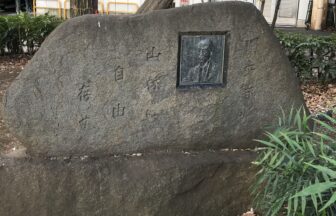
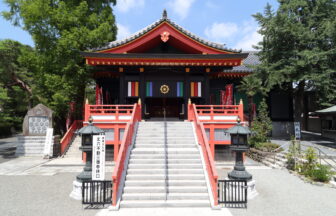
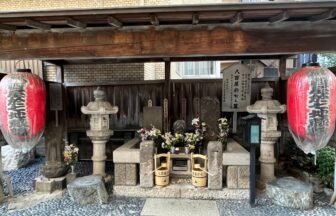
The temple is said to have been built around 1615 and is the head temple of Enryakuji Temple on Mt. During the Kan’ei period in the Edo period (1603-1868), the third shogun, Tokugawa Iemitsu, visited this area on a falconry trip and suffered from a stomachache. In addition to the Chomei-sui stone inscription and the restored well, many stone monuments can be seen on the temple grounds, including a haiku monument by Matsuo Basho and the graves of famous people. Benzaiten, one of the seven gods of good fortune of the Sumida River, is also enshrined in the main hall. Since the Edo period (1603-1868), the temple has been famous for “Chomeiji Cherry Blossom Rice Cake” in front of the gate.
Spot OutlineOutline
| address (e.g. of house) | 5-4-4 Mukojima, Sumida-ku, Tokyo |
|---|---|
| Access | 10-minute walk from Tobu Isezaki Line Hikifune Station. |
| phone | 03-3622-7771 |
| regular closing day | nashi (Pyrus pyrifolia, esp. var. culta) |
| External Links | |
| Founding and opening of business | Circa 1615 |