

Shinto shrineMonzennakacho, Kiyosumi-Shirakawa
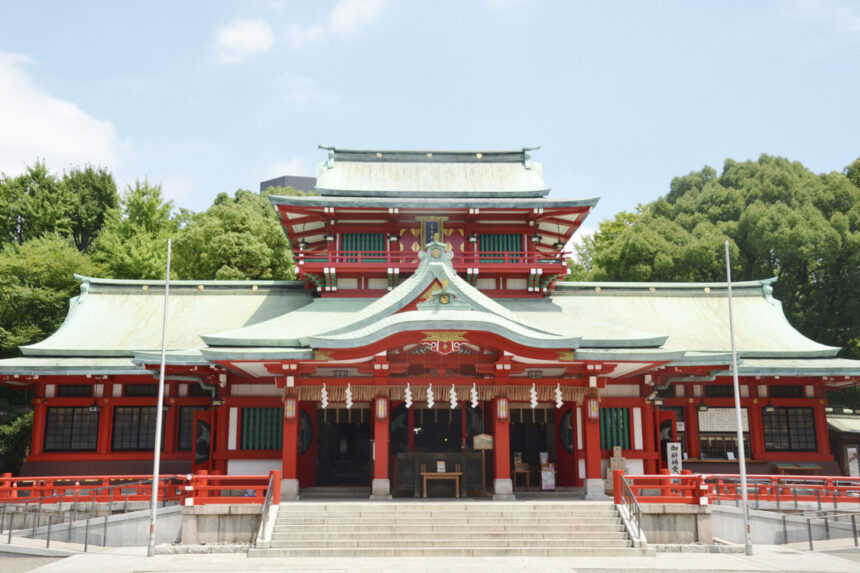
Tomioka Hachimangu Shrine(Tomioka Hachimangū- Shrine)
first shrine visit of New Yearsumo wrestlingfairstrolling on the street
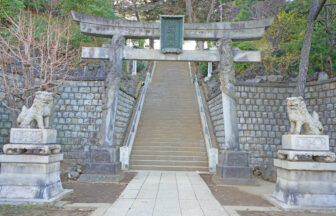
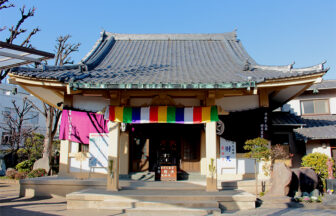
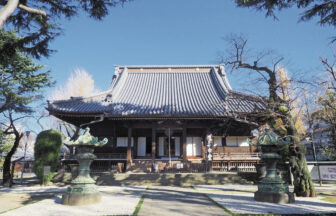
It is said that the shrine was built in 1627 at the present location, which was then called Eitaijima, by an oracle. During the Edo period (1603-1867), it was popularly known as “Fukagawa no Hachiman-sama” (Hachiman Shrine in Fukagawa), and since it enshrines Hachimanjin, the god of war, it received the patronage of the Tokugawa shogunate and was worshipped as the “largest Hachiman-sama in Edo”. During the Meiji Restoration (1868-1912), the shrine was designated as an associate imperial shrine. The shrine is closely associated with sumo, as sumo tournaments were held on the grounds during the Edo period (1603-1867), and even today it is customary for a new yokozuna to dedicate a ring-entering ceremony at Tomioka Hachiman Shrine. The Monthly Festival on the 1st, 15th, and 28th of each month is a very lively event.
Spot OutlineOutline
| address (e.g. of house) | 1-20-3 Tomioka, Koto-ku, Tokyo |
|---|---|
| Access | 3 minutes from Tokyo Metro Monzennaka-cho Station, 6 minutes from Toei Subway Monzennaka-cho Station, 15 minutes from JR Etchujima Station |
| phone | 03-3642-1315 |
| Business Hours | nashi (Pyrus pyrifolia, esp. var. culta) |
| regular closing day | |
| External Links | |
| Founding and opening of business | 1627 (Kan’ei 4) |