Washoku (Japanese Cuisine)

  1. Smoked Saikyo pickles have evolved into a snack for alcoholic beverages. The insatiable spirit of challenge at the long-established “Tsuta-no-ie

    • Shinise
  2. Tsutanoya” was established in 1937 and supports Japan’s fish-eating culture with its delicious taste. What is “Kyoka-zuke”, an evolution of Saikyo-zuke?

    • Shinise
  3. Eating Doze soup every day to check the taste. The current owner of Komagata Dozeu, a famous restaurant that has been in business since the Edo period, demonstrates his commitment to preserving the taste of his products.

    • Shinise
  4. Komagata Dozeu, a famous restaurant with a history of more than 200 years, serves dojo cuisine.

    • Shinise
  5. What kind of dish is “surinagashi”?

    • Column
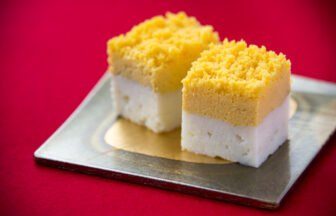
  6. What is “Nishiki-Tamago”? What is the origin of its name?

    • Column
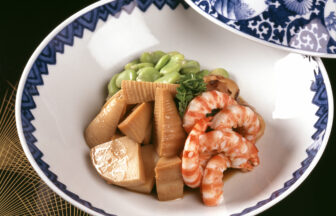
  7. duck meat stew (dish from Ishikawa prefecture)

    • Column
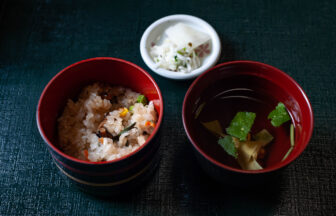
  8. soup served at the end of a traditional Japanese dinner

    • Column
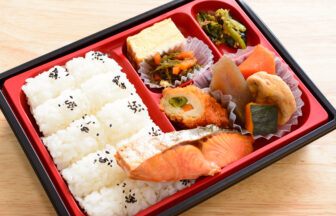
  9. box lunch (containing rice and 10-15 small portions of fish, meat, and vegetables)

    • Column
  10. How to read “strong snacks”? Kaiseki and Kaiseki Cuisine

    • Column
  11. Mukozuke” is served at the beginning of kaiseki cuisine. What is the origin of its name?

    • Column
  12. Note that the contents of “soup” differ between kaiseki and kaiseki cuisine.

    • Column