What is the temperature of “hot sake?” Explaining the Temperature of Heated Sake [Words Related to Sake].

Sake & Tea

What is the temperature of “hot sake?” Explaining the Temperature of Heated Sake [Words Related to Sake].(Atsukan)

Japanese rice wine

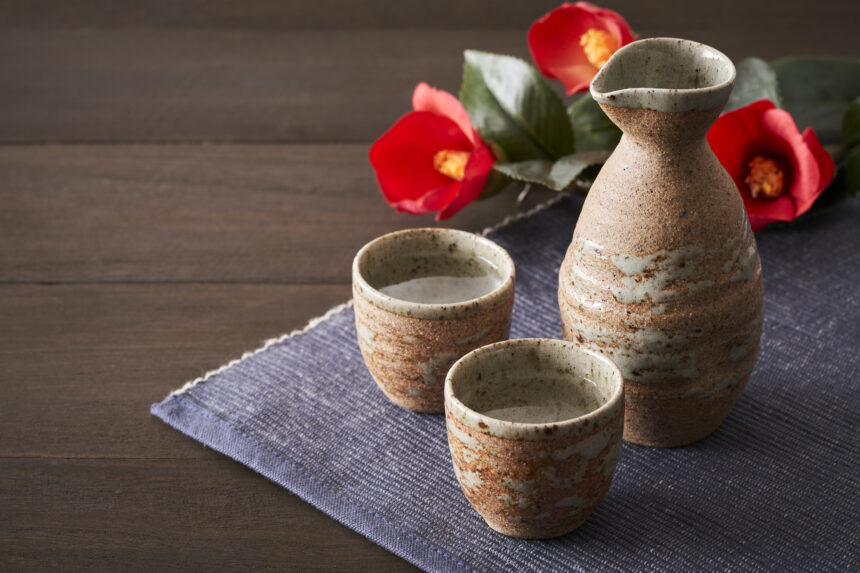
Warm sake is called “heated sake,” and there are six different names for it depending on the temperature at which it is heated. Hot sake is one of these, and refers to sake that has been heated to around 50 degrees Celsius. Hot sake has a crisp flavor, and sake warmed to 55°C (55°F) is even hotter and more aromatic and stimulating; sake warmed to 45°C (45°F) has a balanced flavor and a crisp finish; sake warmed to 40°C (40°F) is lukewarm, with a fuller flavor and richer aroma; and sake warmed to 50°C (50°F) has a crisp flavor and richer taste. Heating to 40°C (104°F) gives it a fuller flavor and richer aroma. Some households use a microwave oven.

新着・おすすめ情報

  1. What are the characteristics of “Yamada-Nishiki” rice for sake brewing? Words related to sake

  2. Koami Shrine (Ningyocho, Tokyo)

  3. Asakusa 1 Day Sightseeing Plan] Tour Asakusa’s long-established shops! 5 spots where you can feel history and tradition

  4. refined Japanese sugar

  5. Tsukiji Catholic Church (Tsukiji, Tokyo)

  6. Eagle Shrine

  7. The company has 25,000 followers on social networking sites! Nihonbashi Benshitsu Sohonten, Japan’s oldest bento shop that delivers the taste of a long-established shop while using modern tools.

  8. Kaiseki cuisine “Hachisun”, what is served on what occasion?

  9. type of buckwheat noodles

  10. Because they are used on a daily basis, they should not be neglected. Ubukeya tells you how to maintain your knives.

  11. part of the palace where important ceremonies were held

  12. Tokyo Literature Walk] No.3: Waseda Area. Soseki Natsume and Waseda University, a journey tracing the scent of modern literature and culture

  13. Interview with Kotaro Ishikawa of Ishikawa Tortoiseshell Works, a company that connects traditional Edo tortoiseshell techniques and further promotes the Edo Tokyo brand .

  14. Shinjuku Gyoen

  15. Ikegamihonmonji Temple