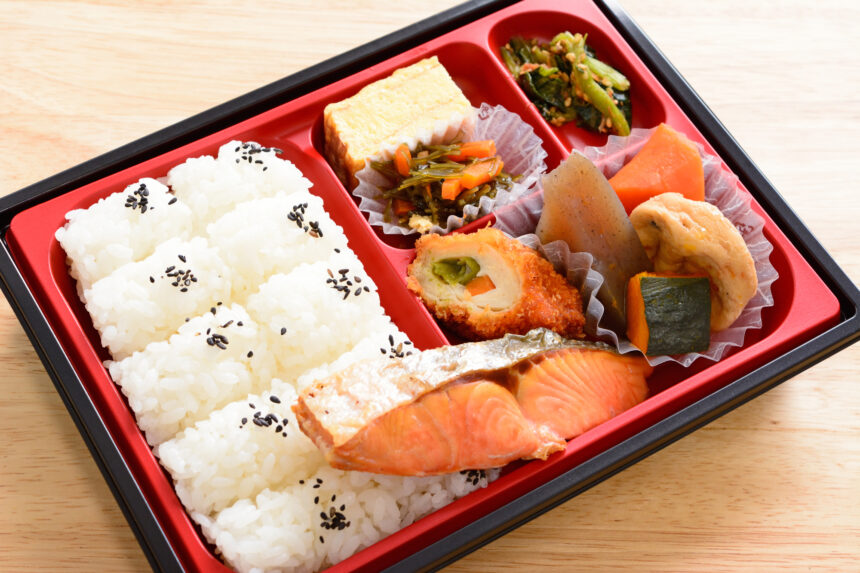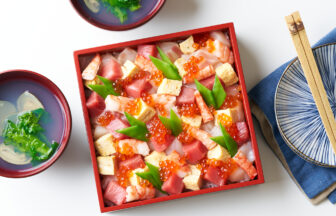
box lunch (containing rice and 10-15 small portions of fish, meat, and vegetables)

Japanese-style meal

box lunch (containing rice and 10-15 small portions of fish, meat, and vegetables)(Makunouchibentou)

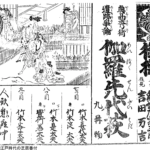
Originally, it was a bento consisting of a rice ball shaped like a bale and sprinkled with sesame seeds, accompanied by a side dish with little liquid. Today, it is usually made of white rice sprinkled with sesame seeds and topped with pickled plums, and stuffed with fried food, grilled fish, omelet, or other items. There are various theories as to the origin of the name. Some say that it was a lunch box eaten between acts by theater-goers or by actors behind the stage (makunouchi), while others say that it originated as a lunch box eaten inside the curtain of a battlefield. By the late Edo period (1603-1867), when theatrical culture was spreading, a form similar to today’s makunouchi bento was in place.

新着・おすすめ情報

  1. What is the difference between “Ginjo-shu” and “Junmai Ginjo-shu”? Words related to sake

  2. Continuing to exist is a brand. What “Nihonbashi Saruya,” a toothpick specialty store, thinks a brand should be.

  3. Manners Related to Tea: How to Make and Serve Delicious Tea, and Manners for Receiving Tea

  4. Meaning of “buckwheat cutter

  5. Honmyoji Temple (Sugamo, Tokyo)

  6. Otomeyama Park (Takadanobaba, Tokyo)

  7. Kameido Tenjinja Shrine (Kameido, Tokyo)

  8. undecorated fabric

  9. Setagaya Daikan Yashiki

  10. Zenkokuji Temple (Kagurazaka, Tokyo)

  11. Yigyoin Temple / Sukeroku and Agemaki Hiezuka (Takenotsuka, Tokyo)

  12. Katsusenji Temple Enma Opening in Kitasenju! A New Year’s tradition with stalls on the first Enma day

  13. combined off-license and pub (licence)

  14. Nihonbashi Kuroeya deals in lacquerware from all over Japan. Protecting the goodwill through innovation, not single-mindedness.

  15. common variety of women’s kimono sash