

temple (Buddhist)Higashimurayama, Ome, Okutama
Shiobune Kannonji Temple (Ome, Tokyo)(Shiofune Kannon-ji Temple)
azaleaimportant cultural property
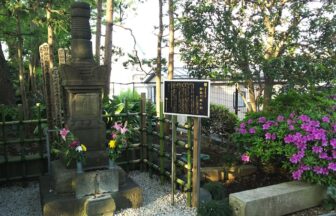
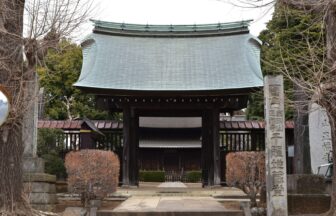
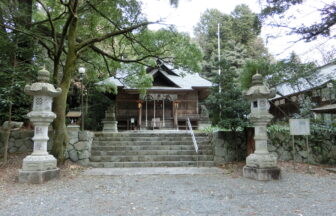
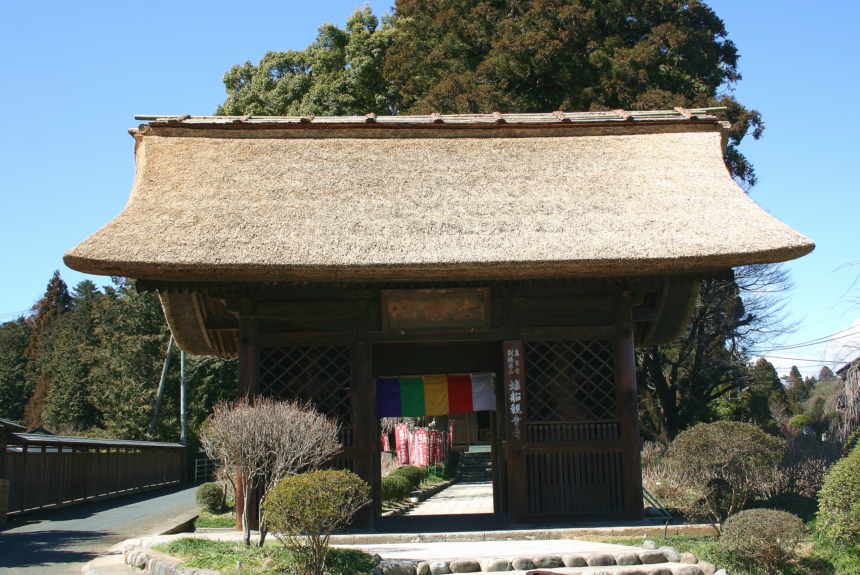
It is a separate head temple of the Daigo school of Shingon Buddhism and is officially called Daihizan Shiobune Kannonji Temple. The temple was founded in 645-650 during the Taika era (645-650) by a nun from Wakasa Province who enshrined a 1.8 cm statue of the Kannon (Goddess of Mercy) in purple gold. The main statue, a standing wooden carving of the eleven-faced thousand-armed Avalokitesvara, measures 4.4 meters and was created in 1264 during the Kamakura period (1185-1333). The temple gate is a national important cultural property, and the temple is also known for its azalea, hydrangea, higanbana, and bush clovers, etc. The “Azalea Festival” held from mid-April to early May is especially famous, with approximately 20,000 azaleas blooming on the slopes of the temple grounds, delighting visitors’ eyes (an entrance fee is required during the festival). Image courtesy of Shiobune Kannonji Temple
Spot OutlineOutline
| address (e.g. of house) | 194 Shiobune, Ome-shi, Tokyo |
|---|---|
| Access | Bus stop in front of Kawabe Station on the JR Ome Line, 10-minute walk from the bus stop at the north exit of Kawabe Station (bound for Ozaku Station East Exit via Shiofune Kannon Iriguchi or Urajuku-cho), 10-minute walk from Shiofune Kannon Iriguchi bus stop, 35-minute walk from Kawabe Station on the JR Ome Line |
| phone | 0428-22-6677 |
| Business Hours | 8:00~17:00 |
| External Links | |
| Founding and opening of business | Taika era (645-650 A.D.) |