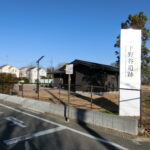
Ruins of Isamu Kondo’s birthplace (Chofu, Tokyo)

historic siteHachioji, Machida, Fuchu

Ruins of Isamu Kondo’s birthplace (Chofu, Tokyo)(Kondo Isami’s Birthplace)

Shinsengumi(parents’) homeKondo Iyamu

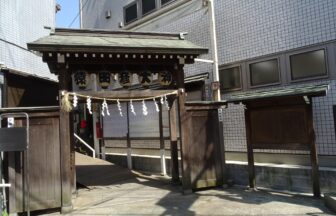
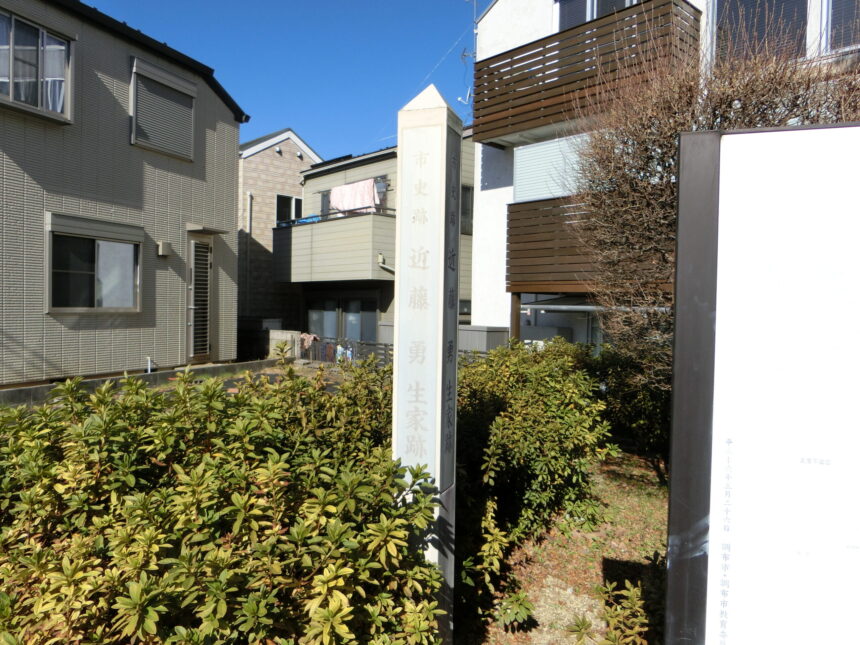
Isamu Kondo, the Shinsengumi bureau chief, was born in 1834 as the third son of Kyujiro Miyagawa (childhood name: Katsugoro Miyagawa) in Tsuji, Kamiishihara Village, Tama County (present-day Nomizu, Chofu City). 15 years old, he was introduced to Shusuke Kondo of the Natural Rishin School, and the following year he was granted a Rishin School inventory and adopted by Shusuke, taking the family name of Kondo. In 1943, during the war, the house was torn down as it was adjacent to the Chofu Airfield, and today, a well used by Isamu Kondo remains in the southeast corner of the house. The only thing that remains of the house is a well used by Isamu to bathe the baby, but it has been preserved as the site of his birthplace (municipal historic site). There is also Isamu’s grave at the nearby Ryugenji Temple.

Spot OutlineOutline

address (e.g. of house) 1-6-8 Nomizu, Chofu-shi, Tokyo
Access
Business Hours From Mitaka Station on the JR Chuo Line, take a bus bound for Sakakibara Memorial Hospital, Asahi-machi 3-chome, or Kurumayakari Danchi, and get off at Nogawa Koen Iriguchi Bus Stop. 2 minutes walk.
External Links

Official Web Site

Founding and opening of business Edo period (1603-1868 CE)

新着・おすすめ情報

  1. Kurume Kasuri

  2. Enjyoji Temple (Hakusan, Tokyo)

  3. What is the difference between kaiseki ryori and kaiseki cuisine? Explanation of the origin and manners you should know!

  4. Zashiki banner” is a miniaturized version of the outer decorations for Boys’ Festival

  5. Eitai Bridge

  6. Selecting the best materials for each application and finishing them with craftsmanship: the pride of the long-established “Edoya”, which has been in business for 300 years, in the creation of brushes and bristle brushes.

  7. A Walk in Edo with Old Maps] No.3: Once the Best Shopping Zone in Edo. Tracing the Traces of a Fish Market in Nihonbashi

  8. long sword

  9. National Diet Library International Library of Children’s Literature

  10. Tanashi Shrine (Tanashi, Tokyo)

  11. Meaning of “buckwheat cutter

  12. Gotokuji Temple (Setagaya, Tokyo)

  13. kimono wrapping paper

  14. Kimuraya Sohonten, a long-established bakery that has inherited the beliefs of its predecessors and predecessors and continues to preserve its taste.

  15. colored kimono