What is the origin of “May dolls” displayed on Dragon Boat Festival?

puppet

What is the origin of “May dolls” displayed on Dragon Boat Festival?(Gogatsuningyo)

Children’s Day (national holiday; May 5th)Boy’s Day celebration (May 5th)

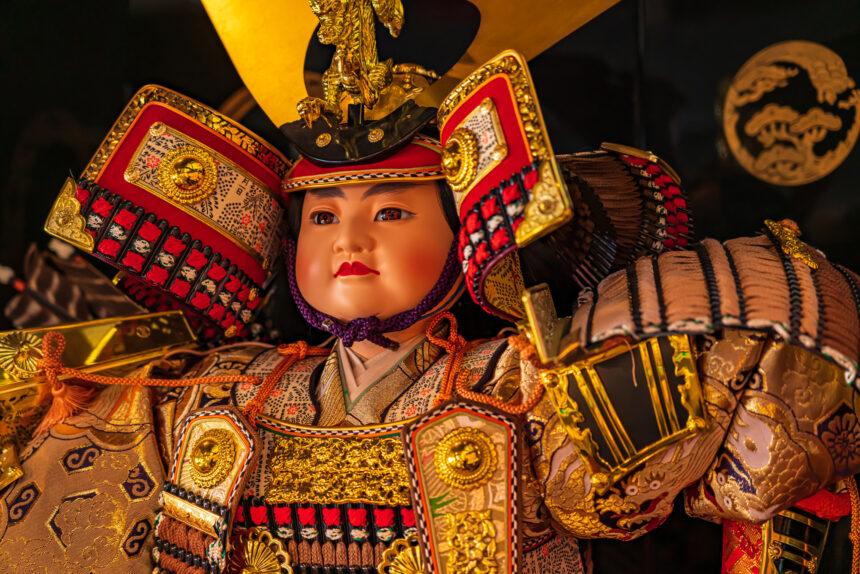
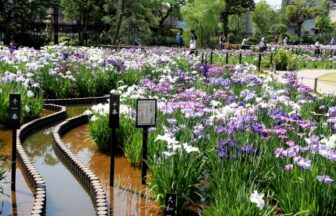
Dolls are displayed on May 5, Tango-no Sekku, to wish for the healthy growth of children. Tango-no Sekku dates back to the Nara period (710-794), when irises were decorated to ward off misfortune and illness. The ritual spread from the Imperial Court to the warrior class, and then to the townspeople in the Edo period (1603-1867), when samurai picture banners and carp streamers were erected. In the late Edo period (1603-1867), it became established as a “first festival” to celebrate the birth of a boy. The custom of displaying helmets of armor, which originated in samurai society, has been handed down to the present. The armor and helmets are considered to “protect the body,” and the hope is that they will protect the child from traffic accidents and illnesses.

新着・おすすめ情報

  1. He started helping out in the family business as a child and went on to become a part of it. Kimuraya Honten, Asakusa’s oldest doll-shaped yaki store

  2. colored kimono

  3. The simple taste of Kototoi dumplings that you never get tired of no matter how many times you try them.

  4. Because they are used on a daily basis, they should not be neglected. Ubukeya tells you how to maintain your knives.

  5. Yamamoto-Tei (aristocratic group of pious men)

  6. Former Main Building of the Ministry of Justice (Kasumigaseki, Tokyo)

  7. Innovation by “Shinseido”, creator of the unconventional and popular “Seppuku Monaka” product

  8. The first “in-house work of a samurai”. Yoshinoya Shoten” has been lighting up the nights of Japan with Edo lanterns for 168 years.

  9. To make swords a part of our daily lives. The future of swords is the goal of Nihon Katana, a long-established sword specialty store.

  10. ratio indicating the quantity of polished rice gained from a given quantity of brown rice (nowadays usually expressed as a percent)

  11. Lengshan (dynasty of China; 386-589 CE)

  12. Honshiba Park (Tamachi, Tokyo)

  13. refined Japanese sugar

  14. Minamiya Temple (Komagome, Tokyo)

  15. Shoin Shrine (Setagaya, Tokyo)