Nara Ningyo” is characterized by the powerful touch of a single sword digging. What is the meaning behind it?

puppet

Nara Ningyo” is characterized by the powerful touch of a single sword digging. What is the meaning behind it?(Naraningyo)

Nara prefecture (Kinki area)

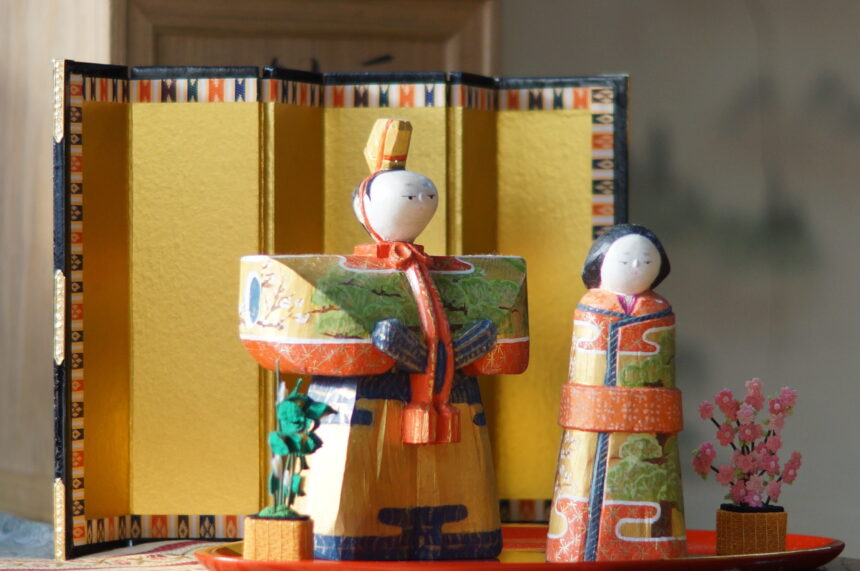
Dolls carved and painted from wood such as hiba, camphor tree, katsura, and hinoki (cypress). They have been made mainly in Nara and are also called “Nara Itto-bori” (Nara Itto-bori carving) because of the powerful touch of the carving with a single sword. They are decorated with gold leaf and gofun (a kind of shellfish shell made from clam or oyster shells). The coloring is delicate and gorgeous, using gold leaf, gofun (white paint made from powdered shells of clams, oysters, etc.) and iwa-enogu (rock paint). It is said that the dolls were originally used in the ritual of dengaku, a type of rice dance dedicated at the Onmatsuri festival of Kasuga Taisha, and their history can be traced back to the Heian period (794-1185). Since these dolls were dedicated to the gods, they were carved with a single sword to keep them as clean as possible. Hina dolls and Chinese zodiac dolls were made and are still popular today.

新着・おすすめ情報

  1. Ubukeya is a knife store specializing in kitchen knives, scissors, and hairpins. The ultimate “sharpening” that even makes a paper-cutting artist say, “It’s so sharp, I’m in trouble!

  2. 吉原神社(東京・三ノ輪)

  3. Ruins of Suzugamori Penitentiary (Omori, Tokyo)

  4. Mori Garden (Roppongi, Tokyo)

  5. Kazari-uma” decorated on Children’s Day. What kind of vehicle is the white horse considered to be?

  6. Virudhaka (Buddhist deity)

  7. Types of “Hina Dolls.” What are the characteristics of their costumes?

  8. Lady Gaga is a fan! The beauty of the braided cord culture by Ryu Kobo, which has been in business for over 130 years.

  9. What is the origin of the term “chilled sake”? Words related to sake

  10. Tokyo Resurrection Cathedral (Nikolaidō Hall)

  11. Changing flavors and characteristics from generation to generation: the management strategy of the long-established “Tokiwando Thunder Stirrers’ Okoshi Honpo,” founded in 1816.

  12. clothing (e.g. kimono) decorated with one’s family crest

  13. sweet yuzu-flavoured steamed dumpling

  14. Ruins of the Tokugawa family residence of the Kii Wakayama domain (Kioicho, Tokyo)

  15. semi-formal kimono for women