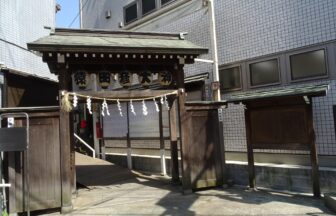
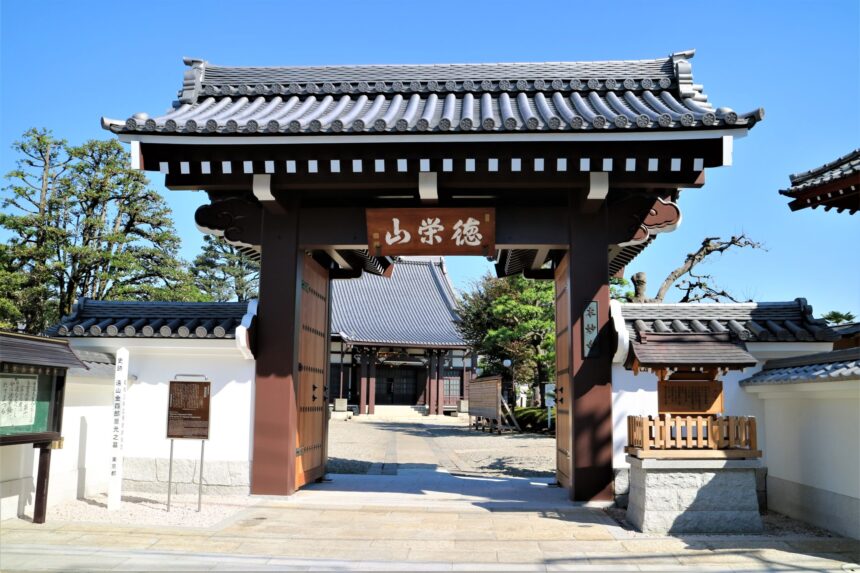
Honmyoji Temple (Sugamo, Tokyo)

temple (Buddhist)Ikebukuro/Akabane

Honmyoji Temple (Sugamo, Tokyo)(Honmyoji-Temple)

Tokugawa Ieyasu (lords of the Tokugawa shogunate)walkGreat Fire of Meireki era (1655.4.13-1658.7.13)Kin-san of Toyama (third highest of the eight hereditary titles)

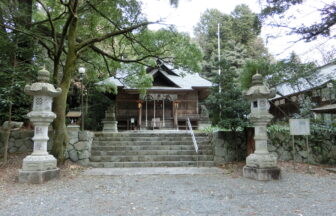
It is a branch temple of the Hokke school of Buddhism, whose head temple is Honjoji Temple in Sanjo, Niigata. 1571 (Genki 2), when Ieyasu Tokugawa entered Enshu Hikima (Hamamatsu City), vassals of the Tokugawa family asked the priest Nichkei Chizonin to build the temple in Sunpu. 1590 (Tensho 18), when Ieyasu entered Edo, the temple was moved to the Shimizu Gate, In 1908, the temple was relocated from Hongo to its current location. In the precincts of the temple, there is a memorial tower for the Great Mereki Fire, as well as the tombs of Toyama Saemoncho Kagegen, a famous magistrate known as “Kin-san of Toyama,” and Chiba Shusaku, a great swordsman of the late Edo period, which give visitors a sense of history.

Spot OutlineOutline

address (e.g. of house) 5-35-6 Sugamo, Toshima-ku, Tokyo
Access 10 minutes walk from JR/Subway Sugamo Station, 5 minutes walk from Shinkoshinzuka Station on Toden Arakawa Line

phone 03-3917-1558
Business Hours Before 6:00 a.m. to after 5:00 p.m. in winter and before 6:00 a.m. to after 4:30 p.m. in winter
regular closing day nashi (Pyrus pyrifolia, esp. var. culta)
External Links

Official Web Site

Founding and opening of business 1571 (2nd year of the Genki era)

新着・おすすめ情報

  1. Nihonbashi Kuroeya deals in lacquerware from all over Japan. Protecting the goodwill through innovation, not single-mindedness.

  2. combined off-license and pub (licence)

  3. Yuri Shikaku] Toraya’s Yokan, a must-have for a mountain snack. How to enjoy Japanese sweets that reflect the changing of the seasons

  4. long-sleeved kimono

  5. Daiba Park (Odaiba, Tokyo)

  6. Tokyo National Museum

  7. Tokyo’s “Furyu Odori” is the talk of the town since it was selected as a UNESCO Intangible Cultural Heritage site! Tokyo’s “Furyu Odori” gathers in large numbers! Report on Tokyo Folk Performing Arts Festival

  8. Kimuraya Sohonten, a long-established bakery that has inherited the beliefs of its predecessors and predecessors and continues to preserve its taste.

  9. manjuu

  10. Hakata doll

  11. Ruins of Akasaka-mitsuke

  12. Koami Shrine (Ningyocho, Tokyo)

  13. Before the Edo period, “Dedication confectionery” was a top-quality confectionery made with white sugar.

  14. Sword eyelets become one-of-a-kind accessories. Nihon Katana, a long-established store specializing in swords that you can enjoy even if you are not an enthusiast.

  15. Abiru Shrine (Akiruno, Tokyo)