Ruins of Hachioji Castle

historic siteHachioji, Machida, Fuchu

Ruins of Hachioji Castle(Hachioji Castle Ruins)

National Historic SitecastleJapan’s top 100 castles

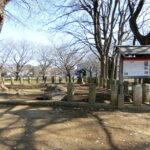
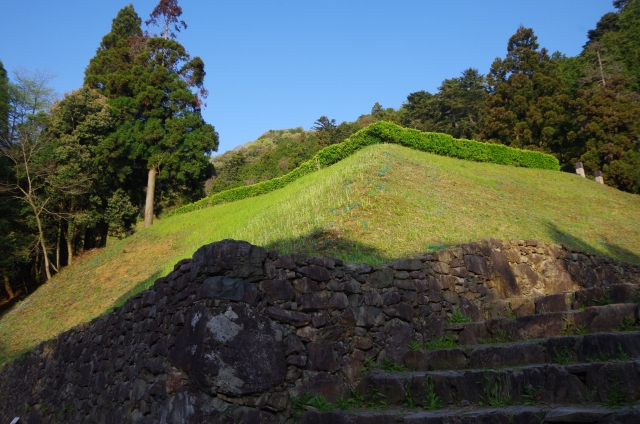
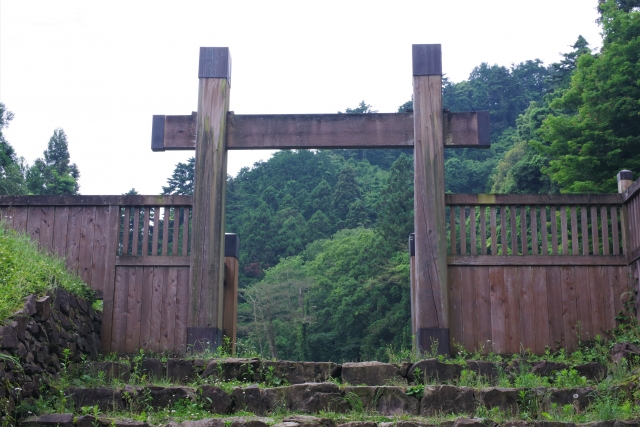
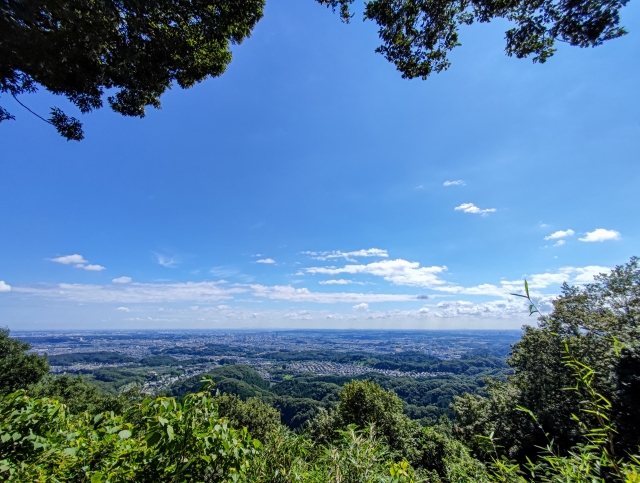
Hachioji Castle was a mountain castle built by Ujiteru Hojo, the third son of Ujiyasu, the third generation of the Odawara Hojo clan based in Odawara, and is estimated to have been constructed in the latter half of the Tensho period (1573-92). The Hojo clan eventually perished. Hachioji Castle was one of the best mountain castles in the Kanto region, taking advantage of the steep mountain terrain, but it is believed that the castle was still unfinished at the time of its fall. In 1990, the 400th anniversary of the castle’s fall, the stonewalls and passageways of the castle’s main building were restored, and in 2006, the castle was selected as one of the “100 Great Castles of Japan” by the Japan Castle Builders’ Association. It is also designated as a national historic site.

Spot OutlineOutline

address (e.g. of house) 3, Nishiterakata-cho, Shimo-Onkata-cho, Motohachioji-cho, Hachioji City, Tokyo (Administration building is located at 3-2715-2, Motohachioji-cho, Hachioji City)
Access Take a bus from JR Chuo Line Takao Station (bound for Takao no Mori Wakuwaku Village, Hoshoji Danchi, Onkata Terminal, Okubo, Okubo/Jinma Kogenshita, Green Town Takao, Miyamacho), get off at “Reien-mae/Hachioji Castle Ruins Entrance” and walk 20 minutes (on Saturday, Sunday, and holidays only, buses bound for (Buses bound for Hachioji Castle Ruins run from Takao Station on JR Chuo Line on Saturdays, Sundays, and holidays only.)

phone 042-663-2800 (Hachioji Castle Ruins Guidance Facility)
Business Hours Always open (Hachioji Castle Ruins Guidance Facility is open from 9:00-17:00)
regular closing day None (Hachioji Castle Ruins Guidance Facility is closed for the year-end and New Year holidays)
External Links

Official Web Site

Founding and opening of business Tensho period (1573-92)

新着・おすすめ情報

  1. short sword

  2. ridges on a blade (sword, knife, etc.)

  3. midst

  4. Ikegamihonmonji Temple

  5. Jindaiji Temple (Chofu, Tokyo)

  6. sweet dumpling made with mochi flour and (sometimes) millet flour (famous product of Okayama)

  7. What is Gunkanmaki? Origin of the name, store of origin

  8. Bank of Japan

  9. They also restore ancient musical instruments used in traditional performing arts. Okadaya Fuse’s Struggle to Preserve Traditional Japanese Culture

  10. 【第20回】家庭でも美味しく生麺の蕎麦を茹でる方法

  11. vinegared rice and sliced raw tuna wrapped in seaweed

  12. guard on sword, polearms, etc.

  13. Enmeiji Temple, Jizo (a jizo that cuts off the head) / Kozukabara Penitentiary Site (Minami-Senju, Tokyo)

  14. 銀座

  15. type of buckwheat noodles