Arisugawa-no-miya Memorial Park

Parks & GardensAzabu, Akasaka, Roppongi

Arisugawa-no-miya Memorial Park(Arisugawa-no-miya Memorial Park)

cherry blossom viewing

During the Edo period, the site was used as a subordinate residence of the Morioka domain’s Nanbu family, and in 1896, it became the official residence of the Arisugawa-no-miya family. After the abolition of the Arisugawa family, the Takamatsu family took over the family’s rituals.
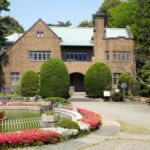
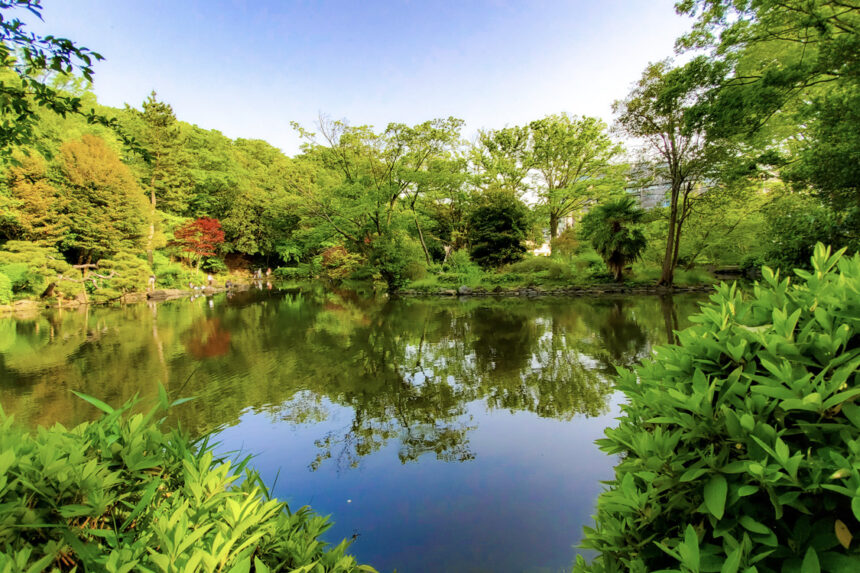
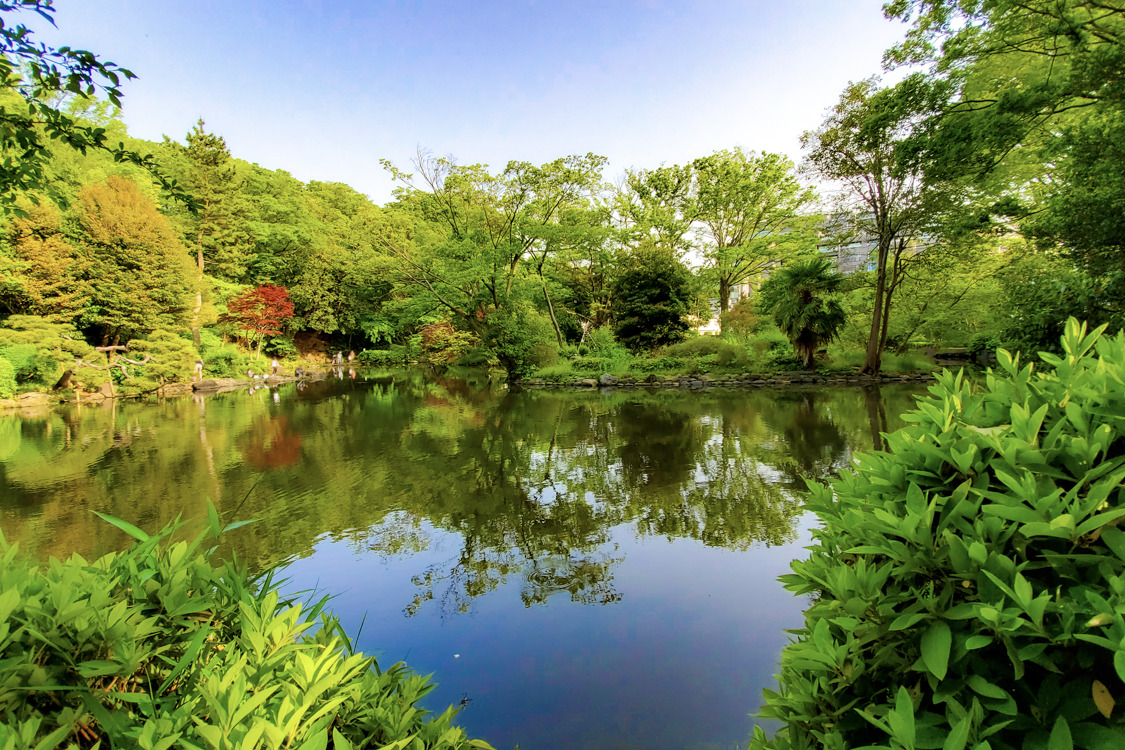
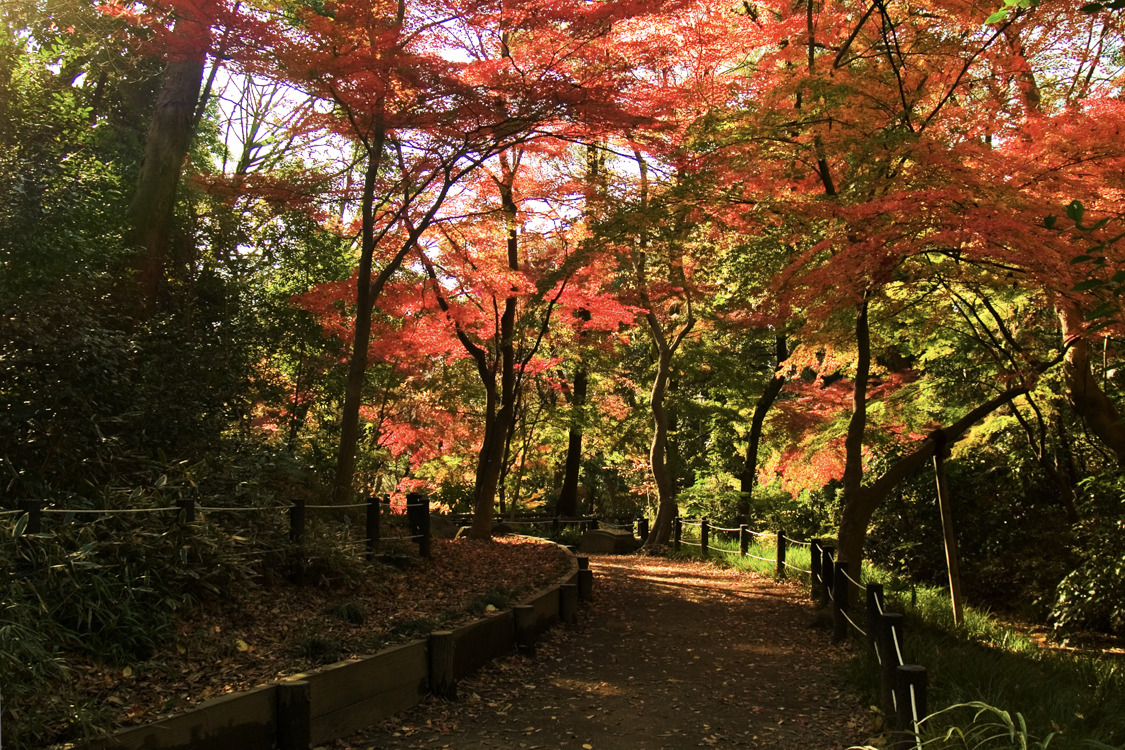
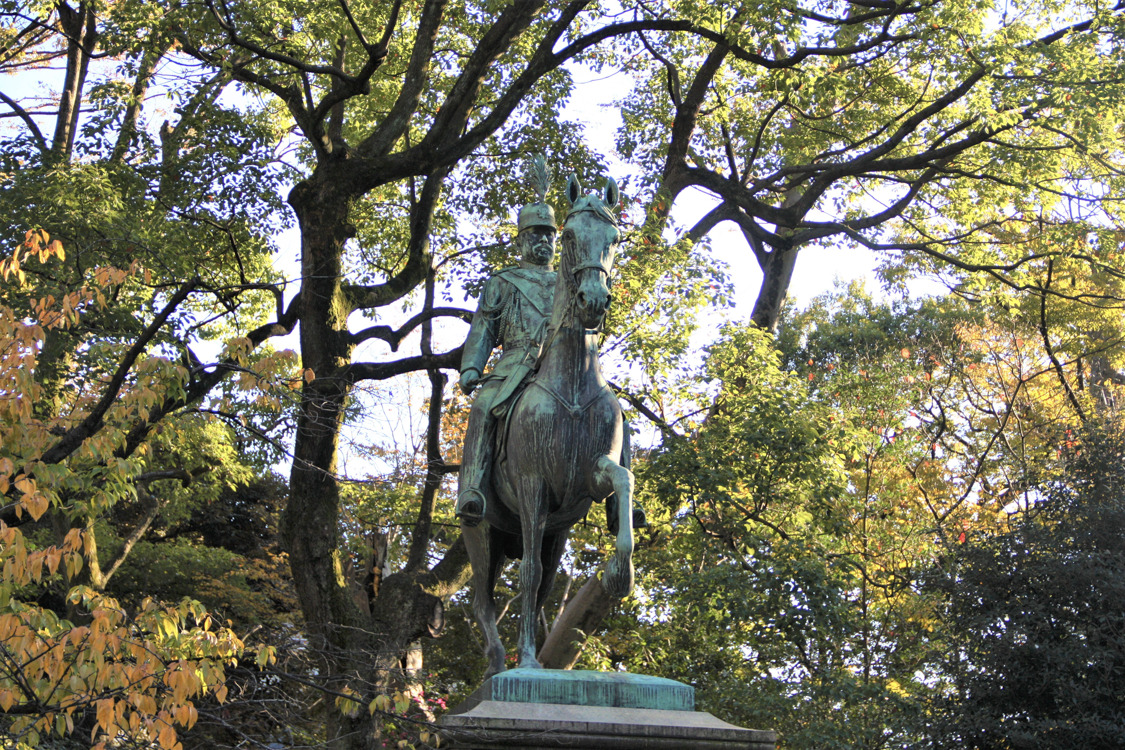
In 1934, the land was given to the city of Tokyo by Prince Takamatsu, who was interested in child welfare and nature, and opened to the public. The park has a Japanese garden that makes the most of nature with waterfalls and mountain streams, a plaza for children, and the Tokyo Metropolitan Central Library, making it a popular place for children and adults alike. A statue of Prince Arisugawa’s horseman, Prince Tetsuhito Arisugawa, is the symbol of the park. In addition to a plum grove and an iris garden, visitors can enjoy seasonal flowers such as 11 varieties of cherry blossoms, dogwoods, and hydrangeas.

Spot OutlineOutline

address (e.g. of house) 5-7-29 Azabu, Minato-ku, Tokyo
Access 3 minutes from Hiroo Subway Station

phone 03-3441-9642
Business Hours all day
regular closing day without a holiday
External Links

Official Web Site

Founding and opening of business 1934 (Showa 9)

新着・おすすめ情報

  1. yukata (light cotton kimono worn in the summer or used as a bathrobe)

  2. 【第18回】古くから食べられてきた「そばがき」の作り方

  3. Selecting the best materials for each application and finishing them with craftsmanship: the pride of the long-established “Edoya”, which has been in business for 300 years, in the creation of brushes and bristle brushes.

  4. Rikugien

  5. 【第8回】江戸時代から語られるぶっかけの由来と食べ方指南

  6. very young fish (esp. a konoshiro gizzard shad)

  7. Why is the oak in “Kashiwa-mochi” said to symbolize the prosperity of descendants?

  8. A Walk in Edo with Old Maps] No.3: Once the Best Shopping Zone in Edo. Tracing the Traces of a Fish Market in Nihonbashi

  9. inscription

  10. How to read “strong snacks”? Kaiseki and Kaiseki Cuisine

  11. Kiyosumi Garden

  12. Takahata Fudo Kongoji Temple

  13. mochi containing red bean paste

  14. The 2nd “Sake Samurai”s Tour of Tokyo’s Long-established Sake Breweries with Yuki Aoi

  15. Meishu no Taki Park (Oji, Tokyo)