Omori Shell Mound Site Garden

historic ruins (remains, relics)Omori, Kamata

Omori Shell Mound Site Garden(Omori shell mound garden)

cherry blossom viewingleisuretaking one’s children along (to an event, into a new marriage, etc.)

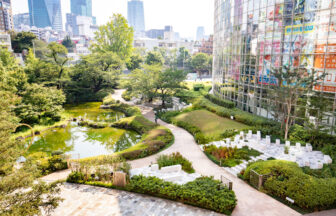
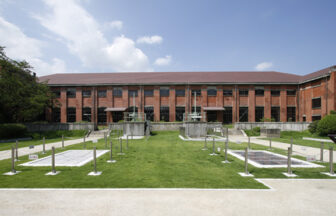
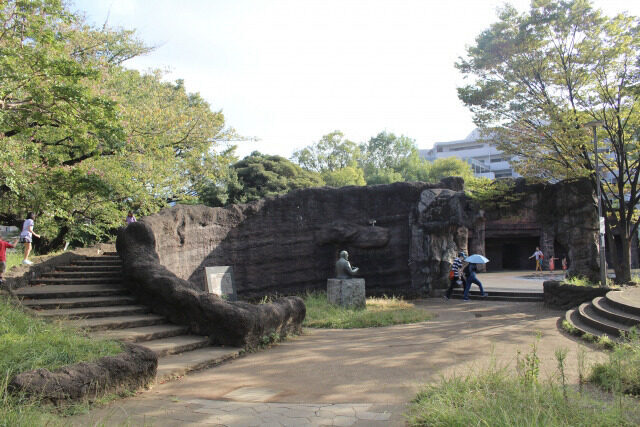
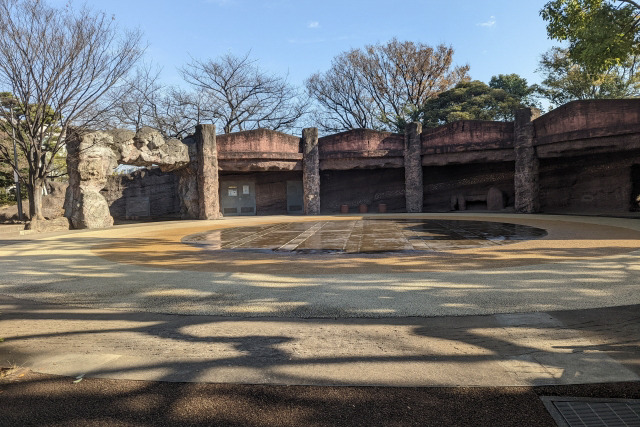
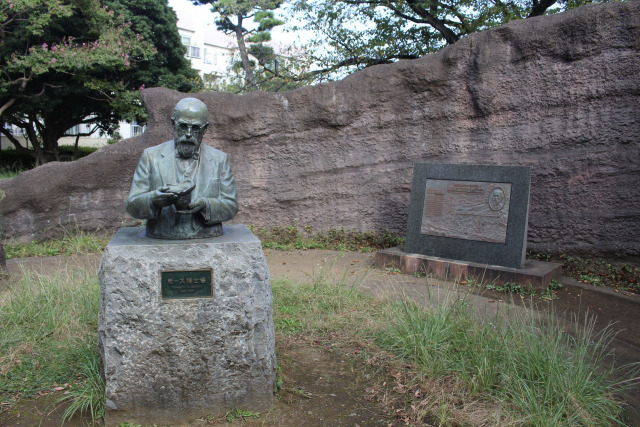
Omori Shell Mound, excavated by Dr. Edward Morse in 1877, is called the “Cradle of Japanese Archaeology” because it was the first academic excavation of its kind in Japan. Subsequent excavations have revealed a large number of dwelling sites, earthenware, ornaments, fish and animal bones, and other artifacts. The site was opened as a garden in 1985. With a bronze statue of Morse, specimens of shellfish beds, and a mist, it has become a place of recreation and relaxation for the residents of the district. The Shinagawa History Museum, a 5-minute walk from the garden, is also recommended as visitors can enjoy exhibits of excavated materials.

Spot OutlineOutline

address (e.g. of house) 6-21-6 Oi, Shinagawa-ku, Tokyo
Access 5 minutes from JR Omori Station

phone nashi (Pyrus pyrifolia, esp. var. culta)
Business Hours 9:00-17:00 (July-August – 18:00, November-February – 16:00)
regular closing day nashi (Pyrus pyrifolia, esp. var. culta)
External Links

Official Web Site

Founding and opening of business 1985 (1985)

新着・おすすめ情報

  1. Umezono, a long-established sweet shop in Asakusa: From awa-zenzai to dora-soft (soft rice cake), “80% on the defensive, 20% on the offensive” wins the hearts of young people.

  2. part of the palace where important ceremonies were held

  3. Founded by a “Brush Master” who was a personal assistant to the Tokugawa Shogun. Edoya” has been providing brushes and bristle brushes for 300 years.

  4. Taisyuji Temple (Shinjuku, Tokyo)

  5. sweet burdock and miso-bean paste covered with a thin layer of mochi

  6. purity

  7. Ohagi/Botamochi

  8. being badly influenced by

  9. Mukozuke” is served at the beginning of kaiseki cuisine. What is the origin of its name?

  10. Ryugenji Temple (Kameido, Tokyo)

  11. light broth made of jellied sweet bean paste

  12. Kimono is an SDG costume. Unused clothes and tenugui (hand towels) can be used as obi sashes.

  13. yukata (light cotton kimono worn in the summer or used as a bathrobe)

  14. Honmyoji Temple (Sugamo, Tokyo)

  15. 【第1回】蕎麦の実の殻を完全に取り除いて作る「江戸蕎麦」