Sensoji Temple

temple (Buddhist)Asakusa (department store)

Sensoji Temple(Sensoji-Temple)

first shrine visit of New Yearstrolling on the street

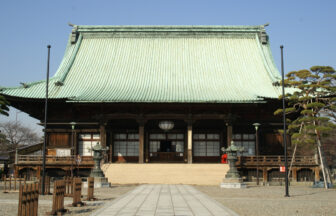
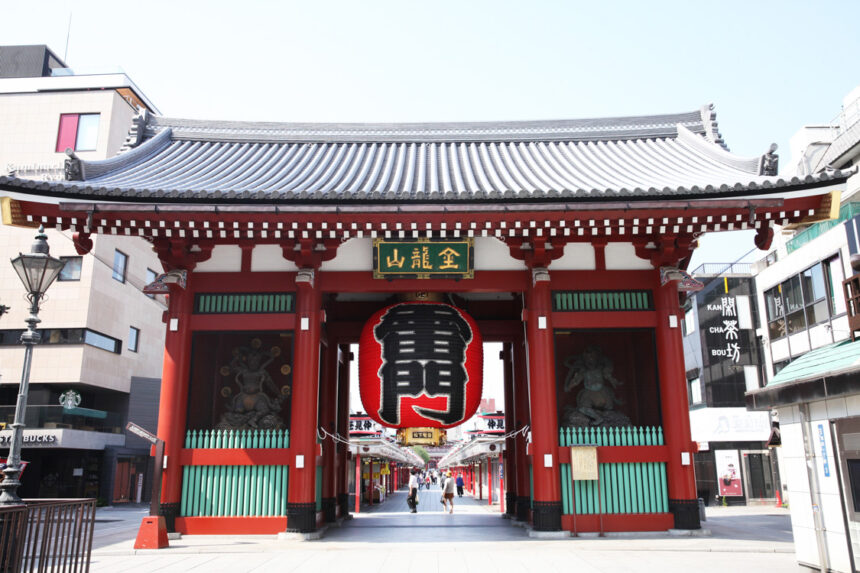
It is the head temple of the Sho-Kannon sect, and its mountain name is Kinryuzan. The temple is also known as Asakusa Kannon (Goddess of Mercy). 628 (36th year of Emperor Suiko’s reign), brothers Hamanari and Takenari Hinokuma, who were fishing in the Miyatogawa River (downstream of the Sumida River), obtained a statue of Kannon from the water, which was then enshrined in the Kusa Hall. When the Tokugawa Shogunate was established in Edo (present-day Tokyo), the temple became a place of prayer for the Tokugawa Shogunate and flourished, attracting the faith of the general public. Many buildings were destroyed by fire in air raids during World War II, but were rebuilt after the war, including the Kaminarimon Gate and the five-story pagoda, making it one of Tokyo’s most popular tourist attractions. Along the approach from Kaminarimon to Hozomon is the famous Nakamise, where many stores line the street, creating the “Monzenmachi” (gate town).

Spot OutlineOutline

address (e.g. of house) 2-3-1 Asakusa, Taito-ku, Tokyo
Access 5 minutes from Tobu Line, Tsukuba Express and Asakusa Subway Station

phone 03-3842-0181
Business Hours 6:00 – 17:00 (opening hours/opening at 6:30 from October to March)
regular closing day nashi (Pyrus pyrifolia, esp. var. culta)
External Links

Official Web Site

Founding and opening of business 628 (36th year of Emperor Suiko’s reign)

新着・おすすめ情報

  1. Ryu Kobo in Nihonbashi has been innovating braided cord culture for more than 130 years.

  2. Kaga Yuzen

  3. Eitaro Fuhonshop located at the foot of Nihonbashi Bridge. Traditional techniques and a desire to “create new wagashi

  4. ratio indicating the quantity of polished rice gained from a given quantity of brown rice (nowadays usually expressed as a percent)

  5. 【第2回】美味しい蕎麦屋を見分けるコツは、お客様の「姿勢」を見ること

  6. What does “Sarashina (soba)” mean and where did it originate?

  7. Shimbashi Tamaki-ya has been in business for 240 years, and serves everything from tsukudani (food boiled in soy sauce) to glaces to add color to Japanese and Western dining tables with its “Hikiku, Gentle, and Warm” service.

  8. special brewing

  9. guard on sword, polearms, etc.

  10. 【第11回】江戸時代に生まれた「かけそば」の起源

  11. The lineup of the “five musicians” also has a meaning.

  12. colored kimono

  13. 三島神社(東京・鶯谷)

  14. Tokyo Literature Walk] No. 2: From Hongo to Sendagi via Slopes and Alleys, Touring the Former Residences of Modern Literary Greats

  15. Kakurinji Temple (Shirokanedai, Tokyo)