Nara Ningyo” is characterized by the powerful touch of a single sword digging. What is the meaning behind it?

puppet

Nara Ningyo” is characterized by the powerful touch of a single sword digging. What is the meaning behind it?(Naraningyo)

Nara prefecture (Kinki area)

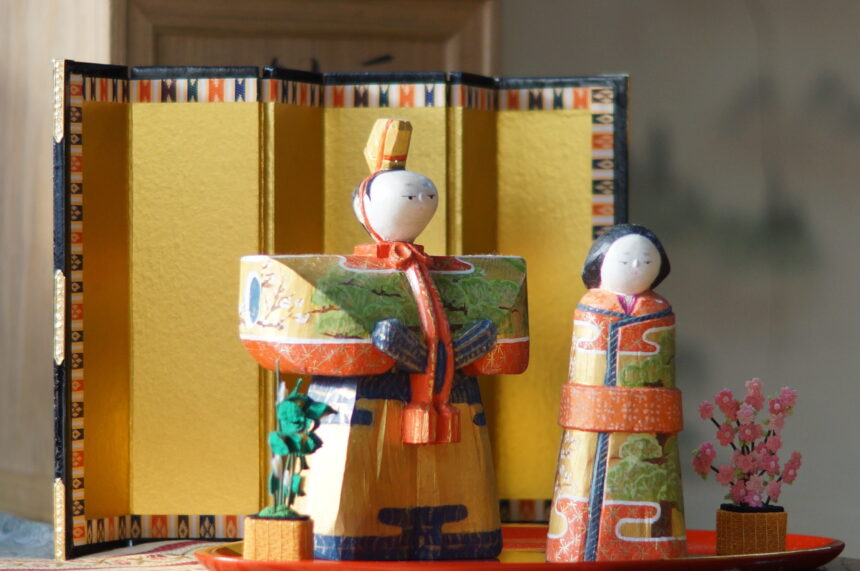
Dolls carved and painted from wood such as hiba, camphor tree, katsura, and hinoki (cypress). They have been made mainly in Nara and are also called “Nara Itto-bori” (Nara Itto-bori carving) because of the powerful touch of the carving with a single sword. They are decorated with gold leaf and gofun (a kind of shellfish shell made from clam or oyster shells). The coloring is delicate and gorgeous, using gold leaf, gofun (white paint made from powdered shells of clams, oysters, etc.) and iwa-enogu (rock paint). It is said that the dolls were originally used in the ritual of dengaku, a type of rice dance dedicated at the Onmatsuri festival of Kasuga Taisha, and their history can be traced back to the Heian period (794-1185). Since these dolls were dedicated to the gods, they were carved with a single sword to keep them as clean as possible. Hina dolls and Chinese zodiac dolls were made and are still popular today.
新着・おすすめ情報

  1. Japanese Food Manners You Should Know. Sashimi, Sushi, Tempura, Yakimono…… explained by cuisine.

  2. Shinko Matsuri (torch festival) is held at Kameido Tenjinja Shrine! A solemn spring fire festival in memory of Sugawara no Michizane

  3. end of the year

  4. What is included in “chopstick washing” in kaiseki cuisine? In what order are they served?

  5. Where does “Mikosui” come from? What are its characteristics? Words related to sake

  6. We don’t stick to tsukudani alone. They are also introducing Western flavors and expanding their sales channels. The Challenge of Shimbashi Tamakiya

  7. condition of health

  8. Kasai Shrine (Kanamachi, Tokyo)

  9. What is the origin of the name “Yamato Doll”? What kinds of dolls are there?

  10. colored kimono

  11. 吉原神社(東京・三ノ輪)

  12. Kimuraya Sohonten, a long-established bakery that has inherited the beliefs of its predecessors and predecessors and continues to preserve its taste.

  13. Eating Doze soup every day to check the taste. The current owner of Komagata Dozeu, a famous restaurant that has been in business since the Edo period, demonstrates his commitment to preserving the taste of his products.

  14. sweet dumpling made with mochi flour and (sometimes) millet flour (famous product of Okayama)

  15. Musashi Fuchu Kumano Shrine Tomb (Fuchu, Tokyo)