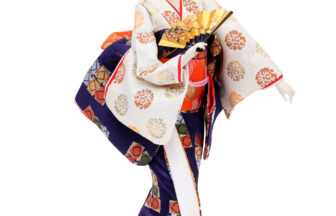
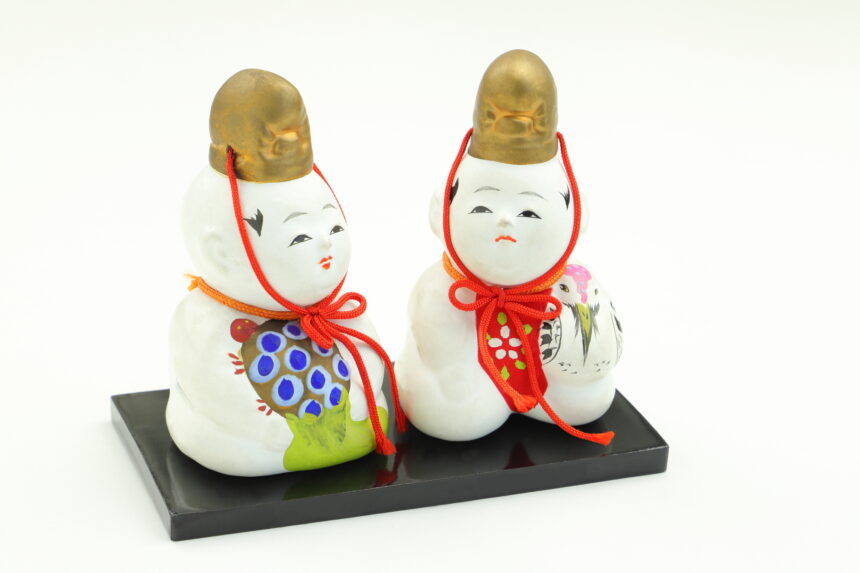
Gosho Ningyo” was a gift to the Imperial Palace. Also known as “Hai Hai” and “White Meat Dolls.

puppet

The “Gosho doll” was a gift to the Imperial Palace. Also known as “Hai Hai” and “White Meat Dolls.(Goshoningyo)

traditional craft

The dolls were produced in Kyoto in the mid-Edo period as ornamental dolls, and are characterized by their white skin, large heads, and rounded bodies. They are characterized by their white skin, large heads, and rounded bodies. They are usually dressed naked, and wear a belly girdle or a straw robe (warawa-no-shi, a garment usually worn by underage court nobles). They often wear a belly girdle, a straw robe, or an eboshi (a hat worn by underage boys of the nobility). The name “hiragana” comes from the fact that hiragana were used as gifts for courtly celebrations, as gifts from the imperial family or court nobles to feudal lords, or as offerings to the imperial palace. They are also known as “hai hai,” “souvenir dolls,” “Ouchi dolls,” “white meat dolls,” “Izukura dolls,” and so on.


新着・おすすめ情報

  1. Preserving Kimono Culture through Tabi Shoes. What is the goal of the long-established Tabi Shoes shop “Ohnoya Fuso-Honten”?

  2. Where does “Mikosui” come from? What are its characteristics? Words related to sake

  3. Shinko Matsuri (torch festival) is held at Kameido Tenjinja Shrine! A solemn spring fire festival in memory of Sugawara no Michizane

  4. gelidium jelly strips (made from agar-agar)

  5. double-woven obi

  6. Yanaka Cemetery

  7. Tsutanoya” was established in 1937 and supports Japan’s fish-eating culture with its delicious taste. What is “Kyoka-zuke”, an evolution of Saikyo-zuke?

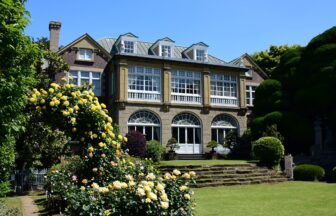
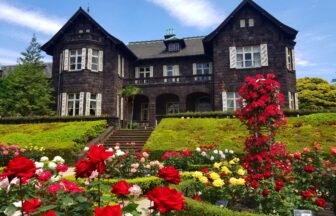
  8. Former Kusuo Yasuda Residence Garden (Sendagi, Tokyo)

  9. Japanese doll” is a generic term for dolls traditionally made in Japan. What types are there?

  10. combined off-license and pub (licence)

  11. Zashiki banner” is a miniaturized version of the outer decorations for Boys’ Festival

  12. Eitaro Fuhonshop located at the foot of Nihonbashi Bridge. Traditional techniques and a desire to “create new wagashi

  13. Tobifudo Shohoin Temple (Minowa, Tokyo)

  14. What does a “Hands and Feet Master” do? The series of craftsmen who make dolls

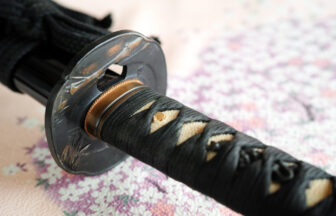
  15. long sword