Note that the contents of “soup” differ between kaiseki and kaiseki cuisine.

Japanese-style meal

Note that the contents of “soup” differ between kaiseki and kaiseki cuisine.(wanmono)

banquettea-ceremony dishes

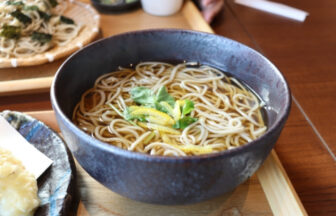
As the name suggests, it is a dish served in a bowl. It is one of the “greens” of the “Ippiru San-na” (one soup, three vegetables) that is served at the beginning of kaiseki cuisine. It refers to “shinjo,” a fish paste made by mashing fish and adding ground yam and egg white, as well as a clear simmered dish with yuba (bean curd), seafood, vegetables, and other ingredients.
On the other hand, in kaiseki cuisine, it refers to the soup served after the appetizer, and is also called “suimono. Bowls also serve as a “chopstick wash” after the appetizer.

新着・おすすめ情報

  1. Otomeyama Park (Takadanobaba, Tokyo)

  2. Kabuto decorations for Dragon Boat Festival. Models of military commanders from the Warring States period are popular.

  3. Hie Shrine (in Kyoto)

  4. sandbar that projects into the ocean, particularly in a wavy form

  5. What are the characteristics of “Yamada-Nishiki” rice for sake brewing? Words related to sake

  6. Philosophical Hall Park (Araiyakushi, Tokyo)

  7. 【第13回】江戸で蕎麦が流行って定着した理由

  8. Kawaramachi Inari Shrine (Kitasenju, Tokyo)

  9. Was Kimuraya Fuhonten’s Anpan Created by “Painful Measures”? 150 years of history of trial and error

  10. Ubukeya, a long-established cutlery shop with 240 years of history

  11. The company has 25,000 followers on social networking sites! Nihonbashi Benshitsu Sohonten, Japan’s oldest bento shop that delivers the taste of a long-established shop while using modern tools.

  12. cucumber sushi wrapped in nori (seaweed)

  13. clothing (e.g. kimono) decorated with one’s family crest

  14. Japanese Food Manners You Should Know. Sashimi, Sushi, Tempura, Yakimono…… explained by cuisine.

  15. Takahata Fudo Kongoji Temple