

Inari-zushi(INARI)
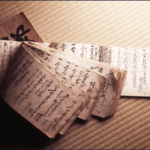
Manuscript of Morisada Manuscriptsfried tofu
Sushi rice stuffed with sweet and spicy fried bean curd. It was already in existence in the late Edo period (1603-1867), and appears in the “Morisada Manuscript,” which chronicles the culture of the time. The origin of the word “inari” is a popular theory, but it is most commonly associated with an offering made to the god Inari at the Hatsuuma Festival held every February at Inari shrines across the country to pray for a good harvest and prosperous business. Originally, foxes liked rats, but in order to avoid killing them, they were provided with fried tofu, which also became their favorite food. It is also said that because they liked fried rats, they also came to like fried tofu. The most common shape of inarizushi is the bale shape, which resembles a rice bale, in eastern Japan, and the triangle shape, which resembles a fox’s ears, in western Japan.