method of patterning traditional Japanese clothing (the tops of all of patterns being pointed downwards)

Japanese clothing

method of patterning traditional Japanese clothing (the tops of all of patterns being pointed downwards)(tsukesage/tsukesage)

Japanese clothesclothing

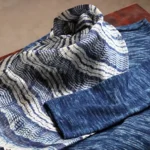
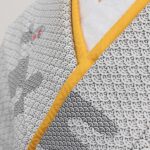
A kimono tailored from a fabric that already has a pattern. It has patterns on the shoulders, chest, sleeves, waist, and hem, but the patterns are fewer than those of the visiting kimono and are not connected. It is between the visiting kimono and the komon or colorless kimono. It is said that this type of kimono was made as a substitute for the extravagant visiting gown during the war, when it was prohibited to wear them. It is not as glamorous as the visiting gown, but can be worn as a going-out dress. It can also be worn with an obi and other accessories to change the atmosphere, making it suitable for a variety of occasions. It can be worn by both unmarried and married couples.
新着・おすすめ情報

  1. Yamamoto Nori Store, a long-established business with a 170-year history, has created an innovation that allows people to taste freshly baked laver.

  2. Taisyuji Temple (Shinjuku, Tokyo)

  3. part of the palace where important ceremonies were held

  4. Itsukaichi Constitution Draft Monument (Akiruno, Tokyo)

  5. beef sinew stewed in miso and mirin

  6. Bon Festival gifts

  7. Tokyo Station Marunouchi Station Building

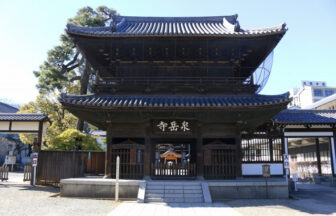
  8. Tozenji Temple (Shinagawa, Tokyo)

  9. neckpiece (on a kimono)

  10. To preserve traditional culture, we also consider the treatment of craftsmen. What does the long-established “Edoya” think of “succession”?

  11. end of the year

  12. You can do it yourself! How to Tie a Yukata Obi – Bunko Knot

  13. A Walk in Edo with Old Maps] No.5: Traces of Edo Remain Strong in “Differences in Elevation” and “Town Names” in Ushigome and Ichigaya

  14. Explanation of the origin of Chirashi-zushi, ingredients used, etc.

  15. gelidium jelly strips (made from agar-agar)