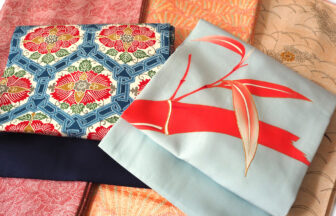
method of patterning traditional Japanese clothing (the tops of all of patterns being pointed downwards)

Japanese clothing

method of patterning traditional Japanese clothing (the tops of all of patterns being pointed downwards)(tsukesage/tsukesage)

Japanese clothesclothing

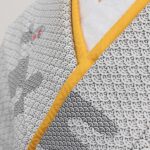
A kimono tailored from a fabric that already has a pattern. It has patterns on the shoulders, chest, sleeves, waist, and hem, but the patterns are fewer than those of the visiting kimono and are not connected. It is between the visiting kimono and the komon or colorless kimono. It is said that this type of kimono was made as a substitute for the extravagant visiting gown during the war, when it was prohibited to wear them. It is not as glamorous as the visiting gown, but can be worn as a going-out dress. It can also be worn with an obi and other accessories to change the atmosphere, making it suitable for a variety of occasions. It can be worn by both unmarried and married couples.

新着・おすすめ情報

  1. Hoonji Temple (Kinshicho, Tokyo)

  2. Before the Edo period, “Dedication confectionery” was a top-quality confectionery made with white sugar.

  3. Koami Shrine (Ningyocho, Tokyo)

  4. rolled sushi with rice and other ingredients

  5. make

  6. Shinobazunoike Pond Oratory, Kan-eiji Temple

  7. A Walk in Edo with Old Maps] No. 6: Kagurazaka is full of historical attractions. From alleys where you can feel the Edo period to wooden buildings of the Showa period

  8. What is the origin of the name “Yamato Doll”? What kinds of dolls are there?

  9. How were “Fresh Pack” and “Soup Stock” born? The source of the idea of the long-established dried bonito flakes shop “Nimben

  10. What are the characteristics of Edomae Sushi?

  11. ramen

  12. Ginza Matsuzaki Senmochi, a long-established shop, depicts tradition and innovation with its signature product “kawara senbei” (tile rice cracker).

  13. stalk (of a mushroom, leaf, etc.)

  14. Shortcakes, pancakes and afternoon tea. A beautiful way to eat sweets.

  15. Rikugien