

constructionAzabu, Akasaka, Roppongi
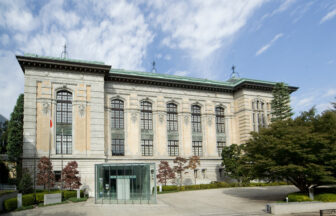
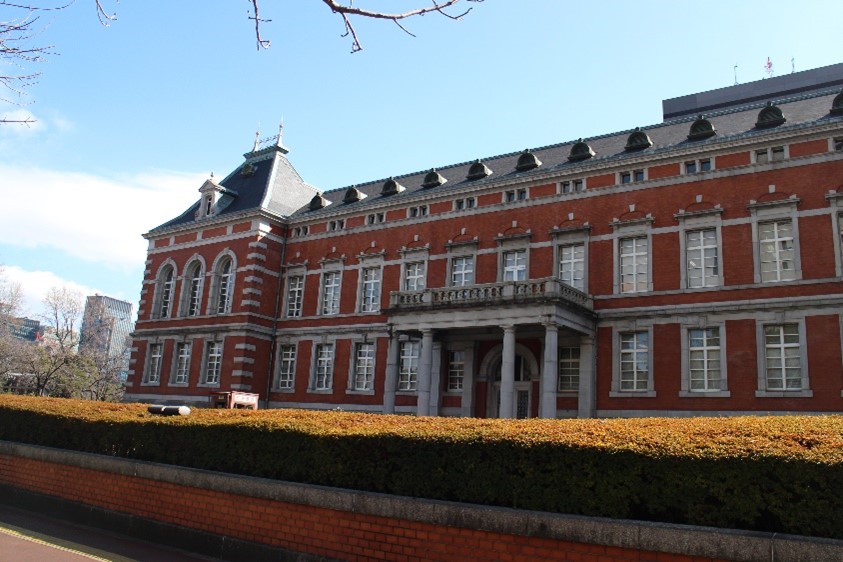
Former Main Building of the Ministry of Justice (Kasumigaseki, Tokyo)(Houmusho Kyukan / Former Main Building of the Ministry of Justice)
azaleaimportant cultural property
The former main building of the Ministry of Justice (former Ministry of Justice Office Building) was designed by German architects Beckmann and Ende and completed in 1895 (28th year of Meiji) over a period of seven years. The building, with its distinctive red bricks in the German Neo-Baroque style, is said to be one of the most representative modern public buildings of the Meiji era. In 1994, the exterior of the building was designated a National Important Cultural Property. In spring, the former main building of the Ministry of Justice is surrounded by colorful satsuki azaleas. Currently, the “Legal Archives Exhibition Room and Message Gallery” is open to the public on the third floor of the former main building of the Ministry of Justice, and includes a restoration room (the dining room of the former Justice Minister’s Office Building) that conveys the atmosphere of the Meiji period, and a subsequent room with brick walls remaining from the time of its construction. Historical documents related to the “modernization of justice” and “modernization of architecture” are exhibited here.
Spot OutlineOutline
| address (e.g. of house) | 3F, Old Main Building of the Ministry of Justice (commonly known as the Red Brick Building), 1-1-1 Kasumigaseki, Chiyoda-ku, Tokyo |
|---|---|
| Access | 1 minute walk from Sakuradamon Subway Station |
| phone | 03-3592-7911 |
| Business Hours | 10:00 – 18:00 (Admission until 17:30), 3rd Friday of the month – 16:00 (Admission until 15:30) |
| regular closing day | Saturdays, Sundays and holidays |
| External Links | |
| Founding and opening of business | 1895 (28th year of Meiji era) |