Why display “Armor Decorations” on Dragon Boat Festival. Armor is not for fighting…

puppet

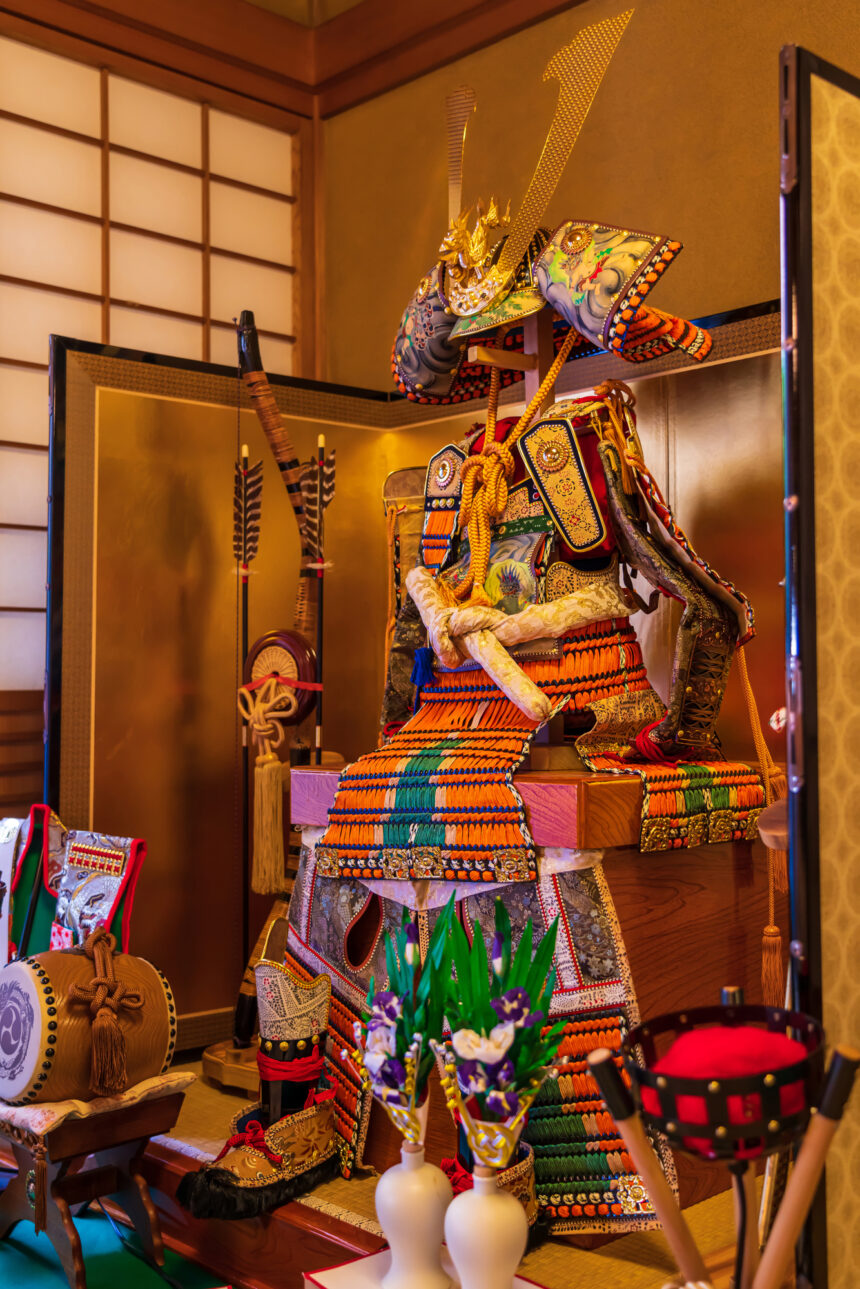
Why display “Armor Decorations” on Dragon Boat Festival. Armor is not for fighting…(yoroikazari)

Children’s Day (national holiday; May 5th)Boy’s Day celebration (May 5th)

One of the indoor decorations for Dragon Boat Festival. These are miniatures of the armor that warriors wore to protect themselves on the battlefield, and are the most powerful of all Tango-no Sekku decorations. There is a theory that the origin of decorating armor and helmets is that warriors dedicated armor and helmets to shrines to pray for their safety before battle, and that around Tango-no Sekku, samurai families displayed armor and helmets inside their houses to dry out insects and for maintenance. Nowadays, armor and helmets are not considered tools for warfare, but rather “something that protects the body,” and are displayed with the hope that they will protect children from traffic accidents, illness, and other calamities, and that they will grow up healthy and happy.
新着・おすすめ情報

  1. Inari-zushi

  2. Selecting the best materials for each application and finishing them with craftsmanship: the pride of the long-established “Edoya”, which has been in business for 300 years, in the creation of brushes and bristle brushes.

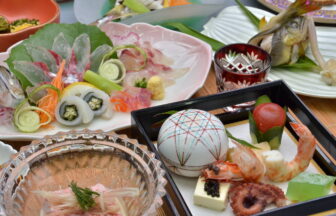
  3. What’s in a Kaiseki meal? Explaining the Difference from Kaiseki Cuisine

  4. What is Gunkanmaki? Origin of the name, store of origin

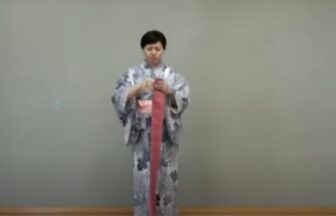
  5. You can do it yourself! How to Tie a Yukata Obi – Bunko Knot

  6. sweet dumpling made with mochi flour and (sometimes) millet flour (famous product of Okayama)

  7. What is “Arabashiri”? Words related to Sake

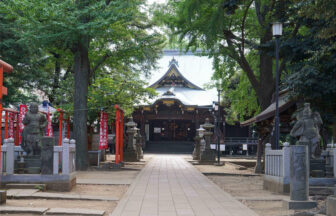
  8. Zoshigaya Kishimojin Hall

  9. Sengakuji Temple

  10. rice cake with bean paste wrapped in a preserved egg

  11. Kimuraya Sohonten, a long-established bakery that has inherited the beliefs of its predecessors and predecessors and continues to preserve its taste.

  12. Minamiya Temple (Komagome, Tokyo)

  13. Jindaiji Temple (Chofu, Tokyo)

  14. Asakusa 1 Day Sightseeing Plan] Tour Asakusa’s long-established shops! 5 spots where you can feel history and tradition

  15. What kind of doll is “Oyama Doll”? What is the origin of the name?