

temple (Buddhist)Hachioji, Machida, Fuchu
Takao Yakuoin (Mt. Takao, Tokyo)(Mt. Takao Yakuō-in Temple)
long-nosed goblinmountain climbingShingon (Sino-Japanese esoteric Buddhism, originating in the eighth century)Mt. Takao (Mt. Takao)
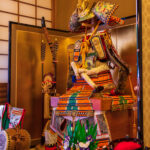
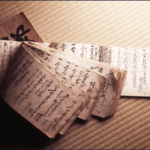
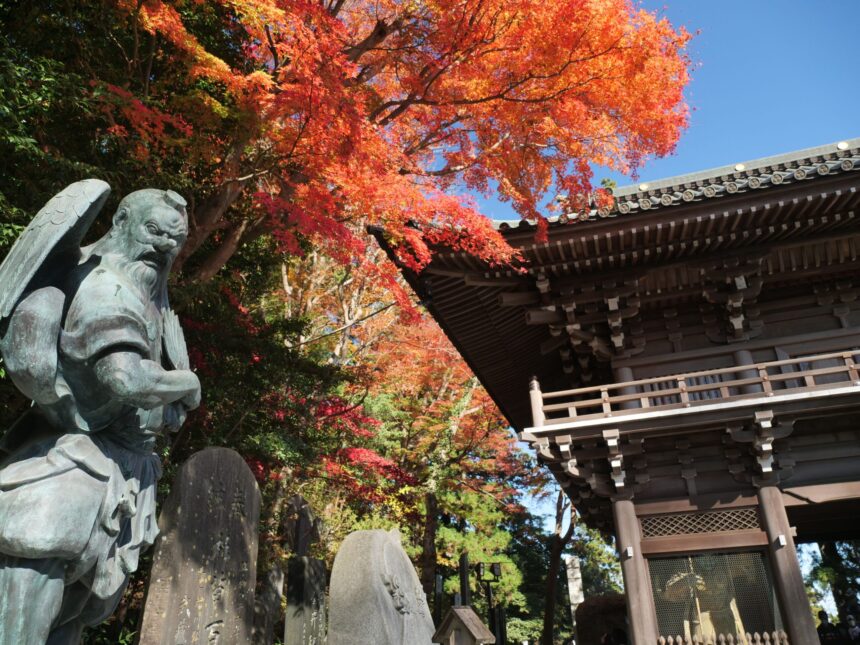
The temple is the head temple of the Chizan school of the Shingon sect of Buddhism, and is officially called Takaozan Yakuoin Yuki-ji Temple, which was founded in 744 by the famous monk Gyoki Bodhisattva as a temple to pray for the protection of the eastern provinces under the order of Emperor Shomu. The name “Yakuoin” comes from the fact that Yakushi Nyorai was the principal deity of the temple when it was first built. During the Nanbokucho Period (1644-1644), Shungen Daitoku entered the temple and enshrined the current principal image, Iinawa Daigongen, and the temple flourished as a sacred site for shugen (the practice of asceticism). Iinawa Daigongen is said to have a tengu as his dependents, and was revered as a guardian deity for warlords during the Warring States Period. Every day, a goma (prayer) for the fulfillment of various wishes is held in the main hall, and after receiving the goma, visitors can see the statue of Iinawa Daigongen inside the hall. (Image courtesy of Takaozan Yakuoin)
Spot OutlineOutline
| address (e.g. of house) | 2177 Takao-cho, Hachioji-shi, Tokyo |
|---|---|
| Access | From Kiyotaki Station, a 3-minute walk from Takaoyamaguchi Station on the Keio Line, board the Takaotozan Dentetsu Cable Car and alight at Mt. Takao Station. 20-minute walk. From Sanroku Station, a 3-minute walk from Takaoyamaguchi Station on the Keio Line, board the Echo Lift and alight at Sanjo Station. 30-minute walk. |
| phone | 042-661-1115 |
| External Links | |
| Founding and opening of business | 744 (Tempyo 16) |