

Cemeteries and cemeteriesShibuya, DaikanyamaAzabu, Akasaka, Roppongi
Aoyama Cemetery (Minami Aoyama, Tokyo)(Aoyama Cemetery)
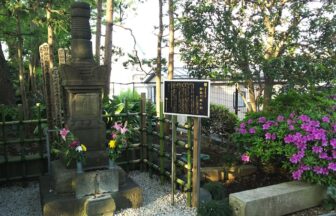
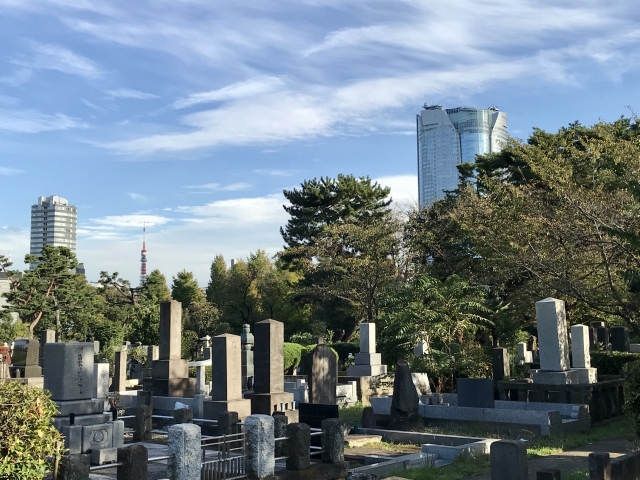
Aoyama Cemetery was originally built for Shinto funeral services, but was later transferred to the then City of Tokyo and became the first public cemetery in Japan. The vast site, which is 5.5 times the size of the Tokyo Dome, currently holds more than 120,000 burials of the deceased. Even though it is a cemetery, it is a very open space, and more people than usual visit for a walk. The park is lined with cherry trees, some of which are over 50 years old, making it a lively place to stroll in the spring. The park is also known for the graves of famous people. Politician Toshimichi Okubo and scholars Eizaburo Ueno and Shibasaburo Kitasato, known for their loyal dog Hachiko, are among those who rest here.
Spot OutlineOutline
| address (e.g. of house) | 2-32-2 Minami-Aoyama, Minato-ku, Tokyo |
|---|---|
| Access | 7 minutes from Gaienmae Subway Station, 10 minutes from Nogizaka Subway Station, 9 minutes from Aoyama-itchome Subway Station |
| phone | 03-3401-3652 |
| Business Hours | Always open (the management office window is open from 8:30 a.m. to 5:30 p.m.) |
| External Links | |
| Founding and opening of business | 1874 (7th year of Meiji) |