sweet half sake

Sake & Tea

sweet half sake(Amazake)

brewing

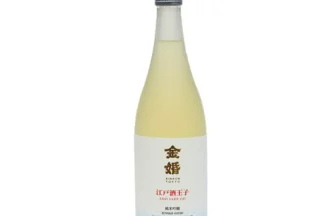
There are two types of amazake. One is koji amazake, which is fermented by adding rice malt to cooked rice. The other is made by adding sugar to sake lees (sake lees), the lees of squeezed sake, and dissolving them in hot water, and was called “kasuyu-zake” in ancient times. The origin of koji amazake is said to be “kosake” or “amanotamusake” mentioned in the “Chronicles of Japan. Before the start of the Edo period (1603-1867), it came to be called “amazake,” and amazake vendors and stores selling amazake appeared in Edo town, calling out to customers, “Amai, amai, amazake~.

新着・おすすめ情報

  1. Shukusen, a dyed kimono store for yukata and Edo komon. What is the pride and confidence in the words “Shukusen Kansei”?

  2. Ikegamihonmonji Temple

  3. A Walk in Edo with Old Maps] No. 6: Kagurazaka is full of historical attractions. From alleys where you can feel the Edo period to wooden buildings of the Showa period

  4. Where does “Mikosui” come from? What are its characteristics? Words related to sake

  5. Manners for Late-Summer Greeting Cards in 2023: Common Sense to Know and Sample Cards for Different Recipients

  6. Anyone can do it by themselves! Basic yukata dressing – women’s version

  7. 【第11回】江戸時代に生まれた「かけそば」の起源

  8. 日本橋

  9. Before the Edo period, “Dedication confectionery” was a top-quality confectionery made with white sugar.

  10. Myohoji Temple (Higashi Koenji, Tokyo)

  11. sweet red-bean soup

  12. Ningyocho Shinota Sushi Head Office, a long-established sushi restaurant serving inari sushi. What changes with the times, and what never changes.

  13. Minori Kai] 7 souvenirs from long-established shops in Tokyo that you want to give with a story.

  14. The simple taste of Kototoi dumplings that you never get tired of no matter how many times you try them.

  15. Ruins of Otama-ga-ike Pond