bone at the base of a fin

sushi

bone at the base of a fin(ENGAWA)

bastard halibutfish

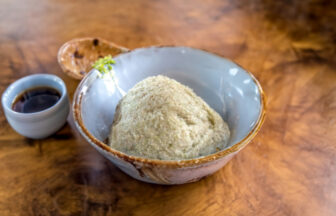
It refers to the muscle at the base of the dorsal and tail fins of flounder and flatfish, and is characterized by its firm texture. It is said that the name was derived from the appearance of the muscles with threads, which resemble the “edge” of a Japanese house. Both fish have the habit of not only swimming but also diving into the sand, which allows the muscles in their fins to develop easily, creating a unique texture that is unique to the Engawa. However, because flounder is a small and expensive fish, flatfish engawa is a rare part of the fish. Therefore, most conveyor-belt sushi restaurants use “flatfish” or “halibut,” a fish in the same family as flatfish, for their engawa. Both of these fish are caught in larger quantities than flatfish, and because they are larger, they can be served at a lower price.

新着・おすすめ情報

  1. What is the difference between a congratulatory gift and a wedding gift? When to give, the market price, how to choose, etc.

  2. Explanation of the origin of Chirashi-zushi, ingredients used, etc.

  3. Customer information is written down in a notebook and shared with all staff. Ginza Mikawaya’s commitment to hospitality

  4. 【第20回】家庭でも美味しく生麺の蕎麦を茹でる方法

  5. Lady Gaga is a fan! The beauty of the braided cord culture by Ryu Kobo, which has been in business for over 130 years.

  6. kasuri

  7. The same manufacturing method since the establishment of the company. Interview with Satoru Nakamura, 7th generation owner of Shirokiya Nakamura Denbei Shoten, who weaves Edo brooms using craftsmanship passed down from generation to generation .

  8. What is “Arabashiri”? Words related to Sake

  9. What does “Oyako” mean? Hina Dolls

  10. Interview with Kotaro Ishikawa of Ishikawa Tortoiseshell Works, a company that connects traditional Edo tortoiseshell techniques and further promotes the Edo Tokyo brand .

  11. Sticking to domestically produced raw materials, each tooth is spun by hand. The commitment of the long-established “Juso Yakushi-ten” (Juso Yakushi Shop)

  12. Minori Kai] 7 souvenirs from long-established shops in Tokyo that you want to give with a story.

  13. Ginza Suze Jizo Son (Ginza, Tokyo)

  14. Nezu Shrine (Nezu, Tokyo)

  15. 大塚天祖神社(東京・大塚)