

temple (Buddhist)Mukojima, Honjo
Hoonji Temple (Kinshicho, Tokyo)(Hoon-Ji Temple)
Ota Do-shutemple bell rung 108 times on New Year’s Eve
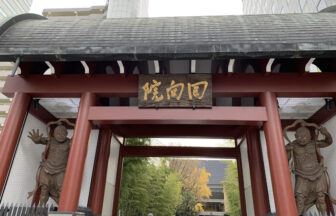
Ho-on-ji Temple was founded by Ota Dokan, a general of the Muromachi period (1336-1573), as a place to pray for the protection of Edo Castle. The temple was relocated each time the Edo Castle was expanded, but settled in its current location in 1695. At that time, Hideyoshi Toyotomi and Ieyasu Tokugawa also visited the temple. Today, the temple is deeply rooted in the community, and on January 7, the New Year’s day, the temple serves seven kinds of rice porridge to the local people as well as the faithful. In addition, many other events are held every year, such as a “Suitonkai of Memories,” a river ceremony on the Sumida River, and a tea ceremony during the harvest moon in mid-autumn. The beautiful white three-story bell tower stands in the precincts of the temple, from which the temple bell is rung on New Year’s Eve.
Spot OutlineOutline
| address (e.g. of house) | 1-26-16 Taihei, Sumida-ku, Tokyo |
|---|---|
| Access | 10 minutes from JR Kinshicho Station, 15 minutes from Asakusa Line Oshiage Station |
| phone | 03-3622-8267 |
| External Links | |
| Founding and opening of business | 1458 (Choroku 2) |