

historic ruins (remains, relics)Higashimurayama, Ome, Okutama
Suzuki Ruins Museum(Suzuki Remains Museum)
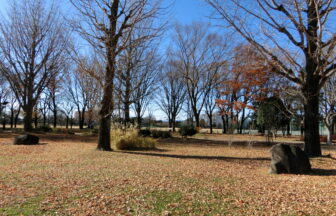
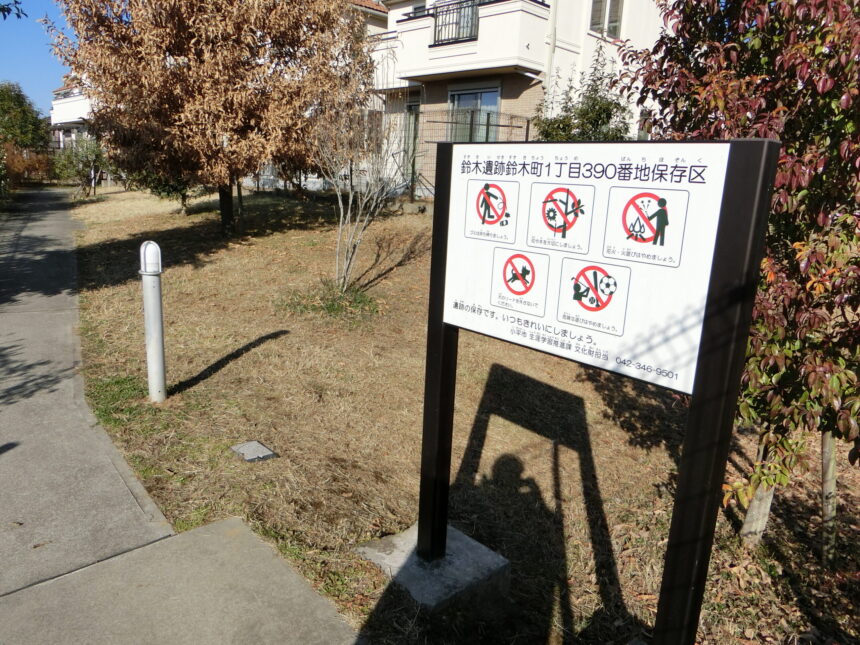
The Suzuki Site is a large-scale Paleolithic site formed in the center of the Musashino Plateau near the headwaters of the Shakujii River, and is known as a representative site of the Late Paleolithic period (38,000 to 16,000 years ago) in Japan, and was designated as a National Historic Site in 2021. Old stone tools and other artifacts excavated during the excavation are on display at a museum near the ruins. The site is now a school and residential area, but there is a signboard that reads “Suzuki Ruins Preservation Area” in a residential area about a 5-minute walk east from the museum.
Spot OutlineOutline
| address (e.g. of house) | 1-487-1, Suzuki-machi, Kodaira-shi, Tokyo |
|---|---|
| Access | 25 minute walk from Hanakoganei Station on the Seibu Shinjuku Line. |
| phone | 042-323-2233 |
| Business Hours | 10:00~16:00 |
| regular closing day | Monday, Tuesday, Thursday, Friday (open on national holidays), Year-end and New Year holidays |
| External Links | |
| Founding and opening of business | 1981, (the Suzuki site itself is in the Paleolithic period). |