

Ryokan/HotelAzabu, Akasaka, Roppongi
Hotel New Otani, Tokyo, Japan(Hotel New Otani (Hotel New Otani )
daimyo’s suburban residencewalkJapanese-style garden
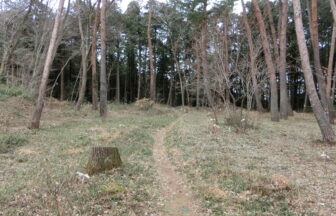
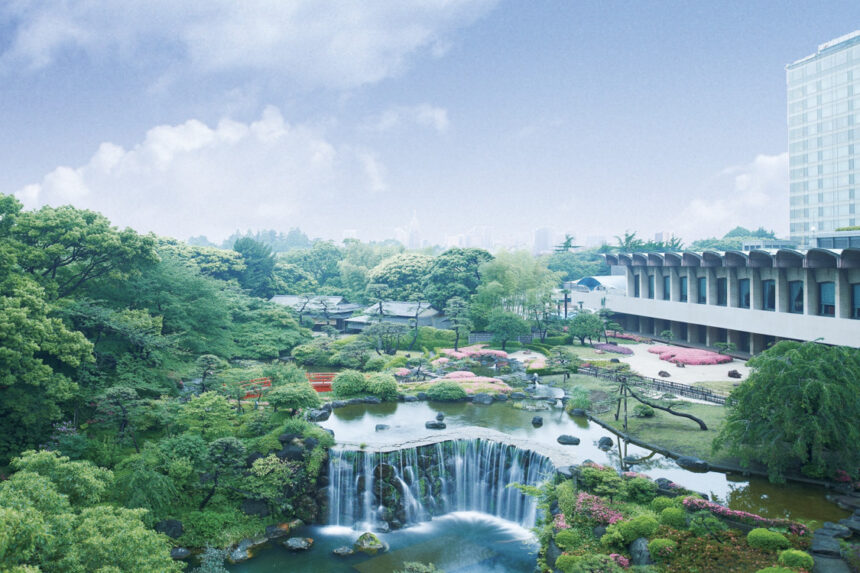
The area around the Hotel New Otani, Tokyo, was once the residence of the Ii family of the Hikone domain. In the early Edo period (1603-1867), there was a residence of the warlord Kiyomasa Kato, which was later taken over by the Ii family and used until the end of the Edo period (1603-1868). Later, it became the residence of the former imperial family, the Fushimi-Miya family, and then the residence of the hotel’s founder, Yonetaro Otani, and the hotel was built at the request of the government on the occasion of the 1964 Tokyo Olympics. The vast Japanese garden of approximately 40,000 m2 includes a powerful large waterfall, karesansui (dry landscape garden), and ponds, and is open to visitors other than hotel guests. Visitors can also see the remains of the Ii family’s mansion, lanterns and fossils of large trees that have remained from the Edo period, and feel the 400-odd years of history of this place.
Spot OutlineOutline
| address (e.g. of house) | 4-1 Kioi-cho, Chiyoda-ku, Tokyo |
|---|---|
| Access | 5 min. from JR and Subway Yotsuya Sta. |
| phone | 03-3265-1111 |
| Business Hours | 6:00~22:00 |
| regular closing day | without a holiday |
| External Links | |
| Founding and opening of business | 1964 (Showa 39) |