

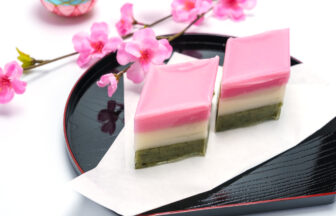
羊羹やういろうなど、細長い棒状の和菓子を指す名称。この語源は、羊羹などを作る際に流し固める型を船と呼ぶため、そこから着想した言い回しだとされる。数える際は一棹、二棹というのが本来の言い方だが、昨今は一本、一個などの数え方が一般的に。断面に模様や季節の風景等を表現したものなど棹物ならではの技巧的な美が存在する。
羊羹やういろうなど、細長い棒状の和菓子を指す名称。この語源は、羊羹などを作る際に流し固める型を船と呼ぶため、そこから着想した言い回しだとされる。数える際は一棹、二棹というのが本来の言い方だが、昨今は一本、一個などの数え方が一般的に。断面に模様や季節の風景等を表現したものなど棹物ならではの技巧的な美が存在する。





Copyright © agatajapan. All Rights Reserved.