Tokyo Literature Walk] No.3: Waseda Area. Soseki Natsume and Waseda University, a journey tracing the scent of modern literature and culture

Tokyo Literature WalkShinjuku, Nakano

Part 3: The Waseda area. Soseki Natsume and Waseda University, a journey tracing the scent of modern literature and culture

Natsumezakasore loserOkuma Memorial AuditoriumAutumn leaves of OzakiShimamura-hozukiWaseda UniversityHaruki Murakamitheater museum

From classics to poetry to entertainment, there are many places in Tokyo associated with literature. Some are the stages of works, some are the names of places incorporated in works, some are the ruins of writers’ residences, and some are places where important literary movements took place. …… In this corner, Yuma Watanabe (Skezane), a book reviewer, writer, and literary YouTuber, selects such so-called “sacred places” and introduces them to you.

We will be presenting Skezane’s commentary on these literary spots, along with his own reports from his actual tours of the city.
This time, we toured the Waseda area.

Yuma Watanabethree

Book reviewer, book review YouTuber

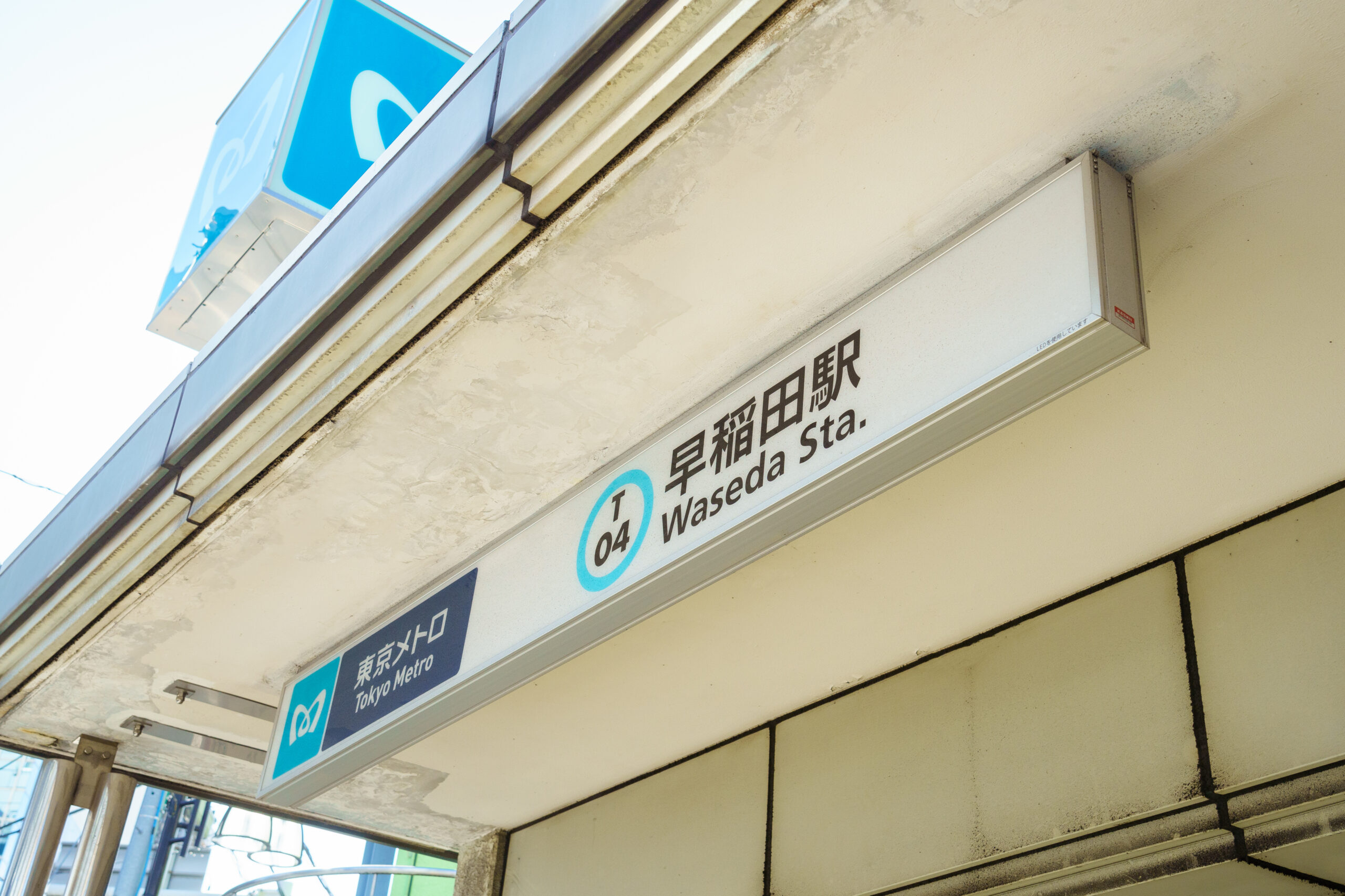
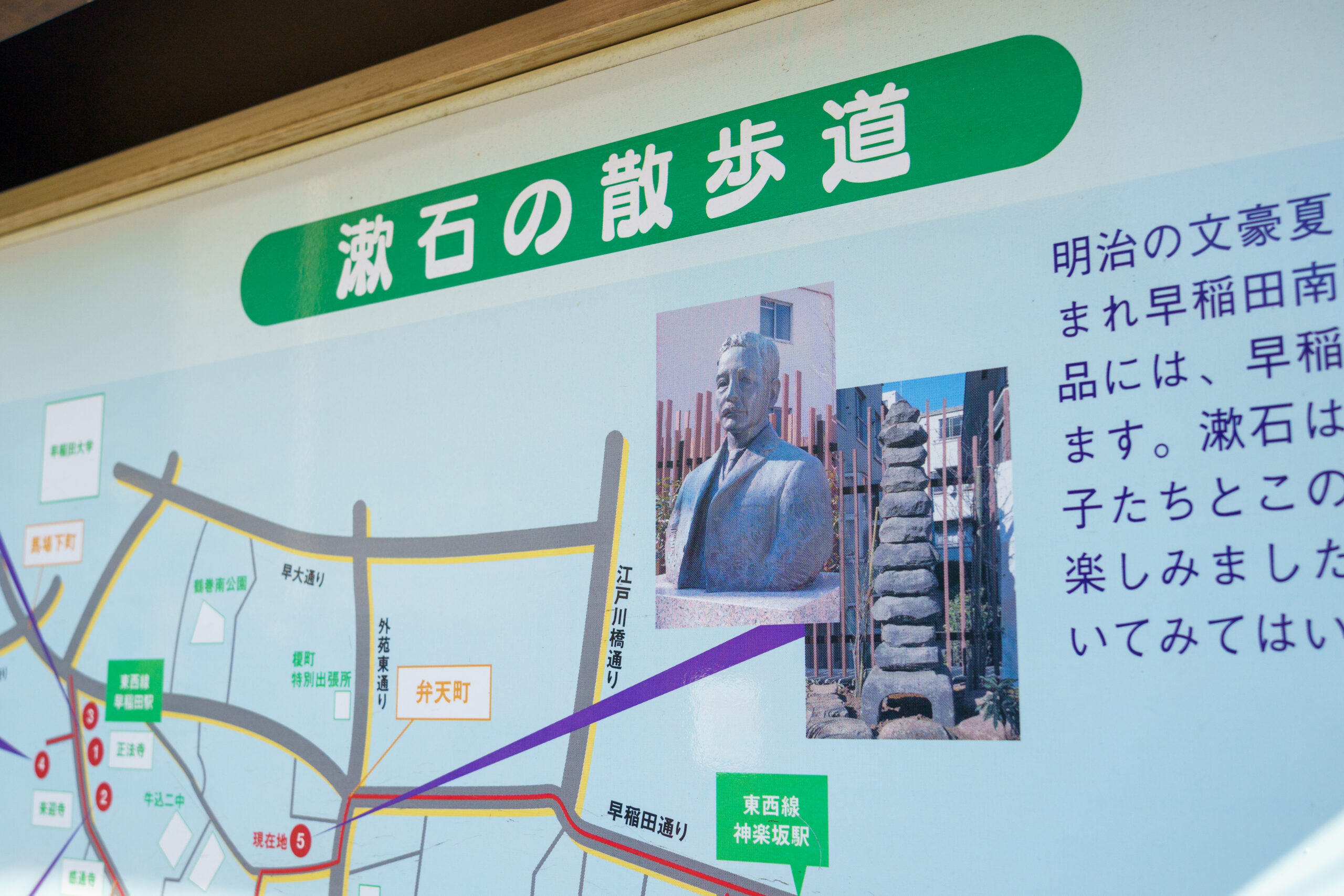
Birthplace of Soseki Natsume and “Natsume-zaka”, just a short walk from Waseda Station

The first thing that comes to mind when one hears the word “Waseda” is “Waseda University. This is especially true for people from the countryside like myself, who do not know that Waseda was originally the name of a place in Tokyo from which the university was named.
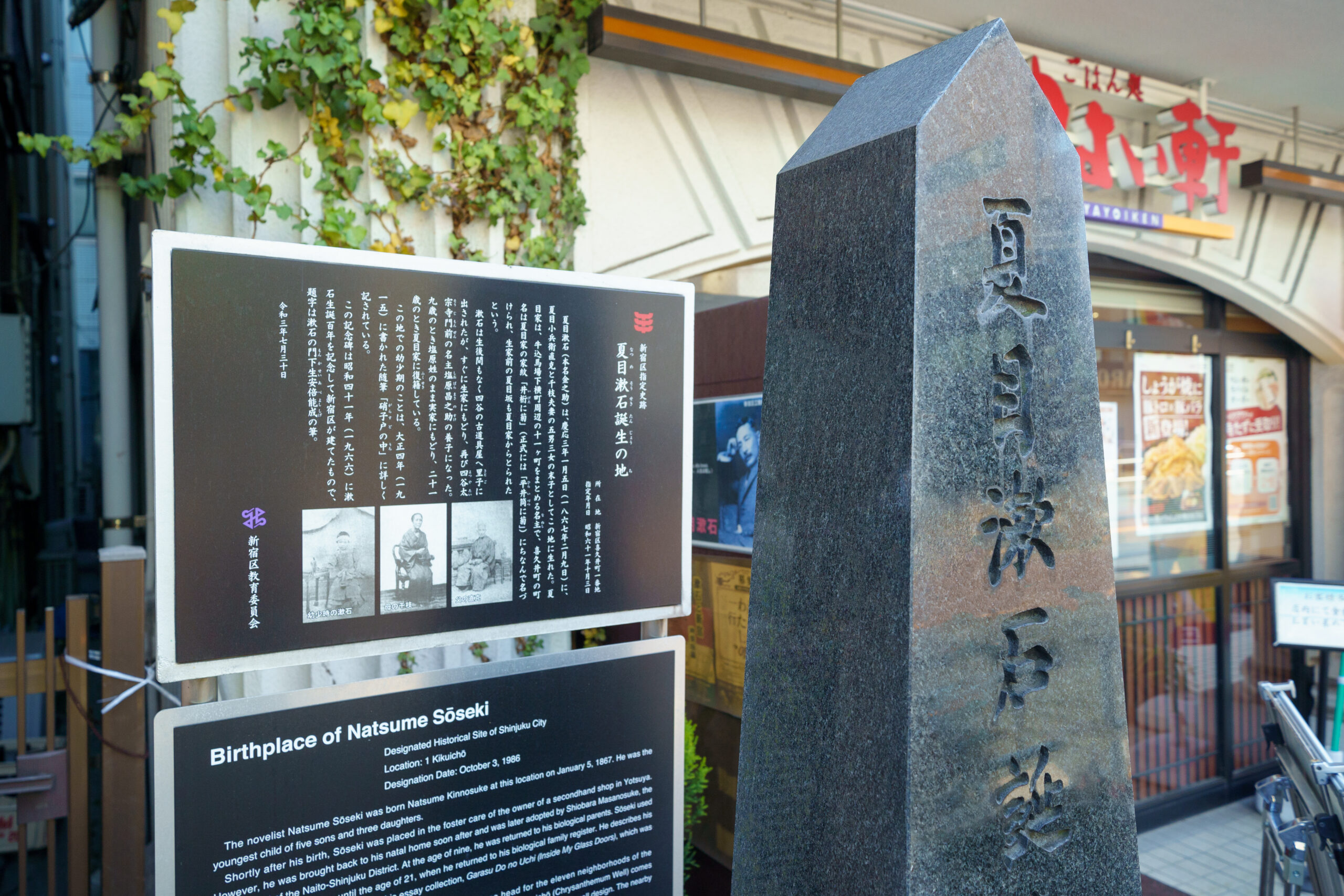
According to Google Maps, it was about 48 meters from the station, or a one-minute walk. According to Google Maps, it is about 48 meters from the station, or a one-minute walk. A stone monument stands on the site.

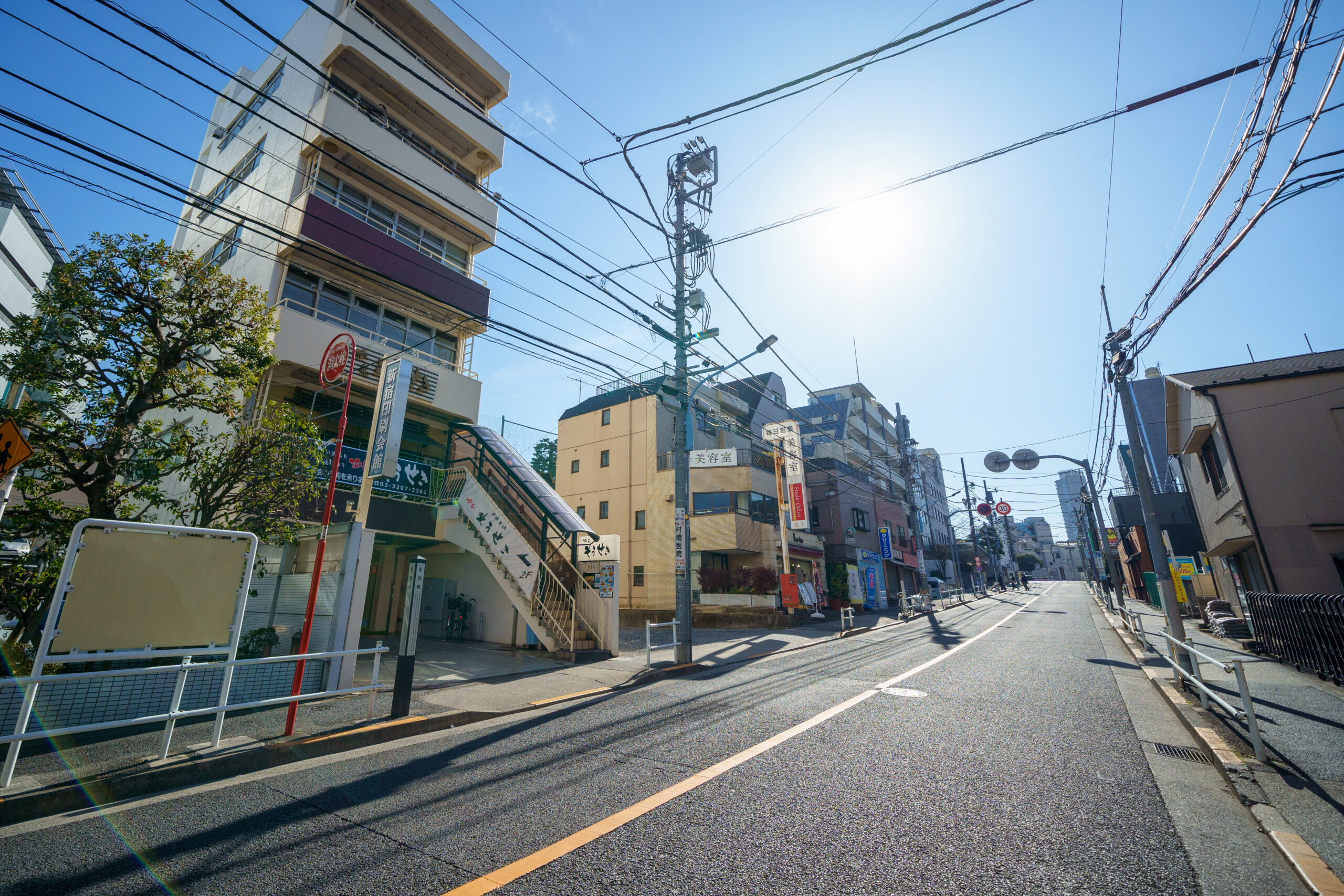
And the slope extending south in front of “Yayoiken” is called “Natsumezaka.

In his essay “Inside the Glass Door,” Soseki Natsume wrote, “My father still named the long hill on which we had to climb when going south from the front of our house, Natsume, his own family name. Unfortunately, it has not become as famous as Kikui-cho and remains as a mere hill. However, someone came to me the other day and told me that he had looked up the name of this area on a map and found that it was called Natsumezaka, so perhaps the name my father gave it is still useful today.
There is also a Waseda University intercollegiate slope copy club called Natsumezaka 46.

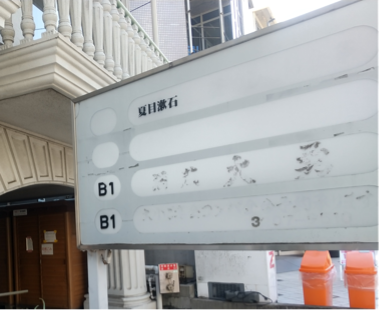
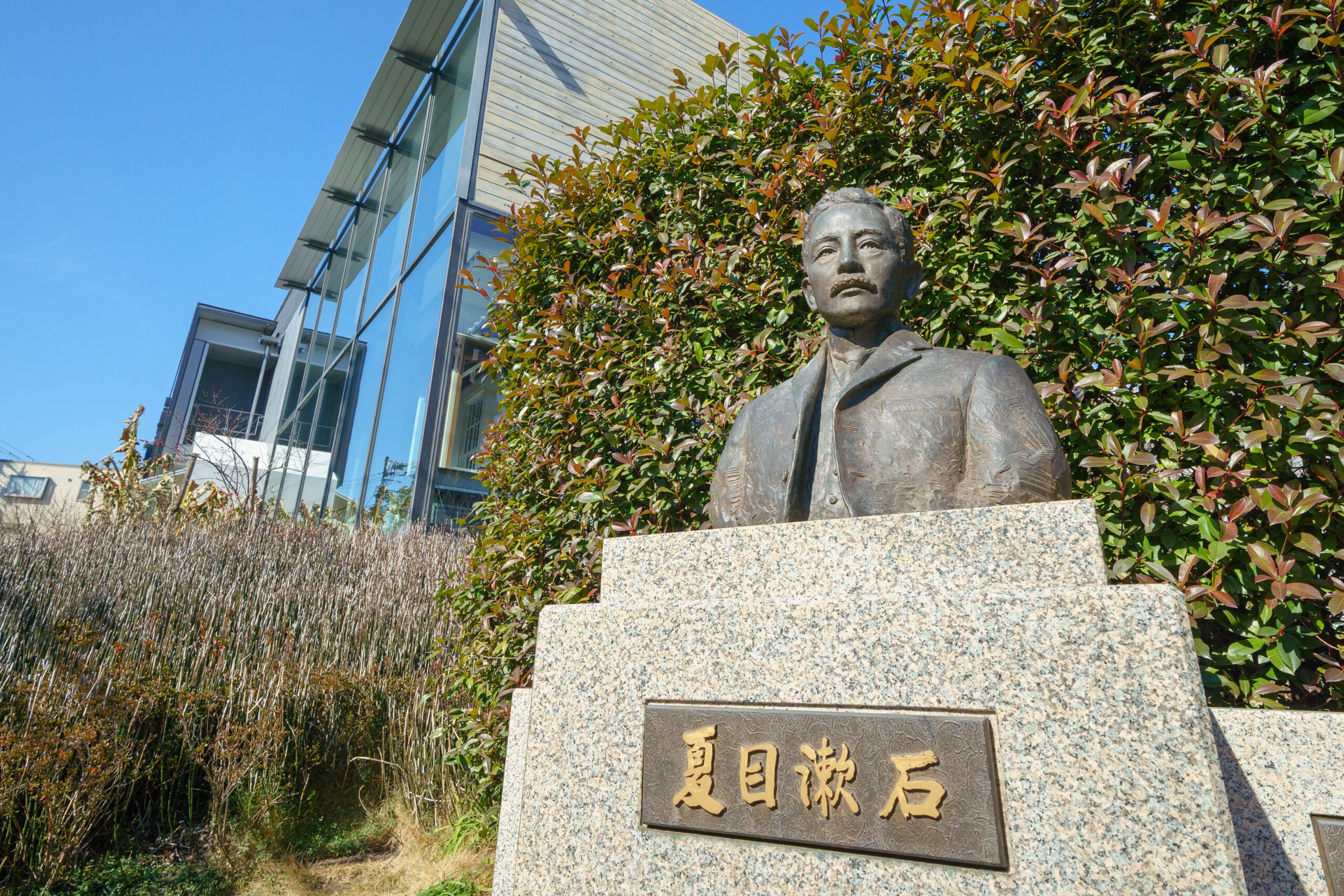
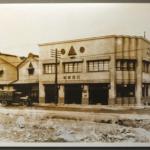
There was a tavern named “Soseki” right after starting up the slope. Also, the name “Soseki Natsume” was extremely abruptly found on an apartment building built on the site of Soseki’s birthplace.

It only says “Soseki Natsume” without any explanation. At first glance, the meaning may seem unclear, but it is not mistaken. After all, this is Soseki’s birthplace.

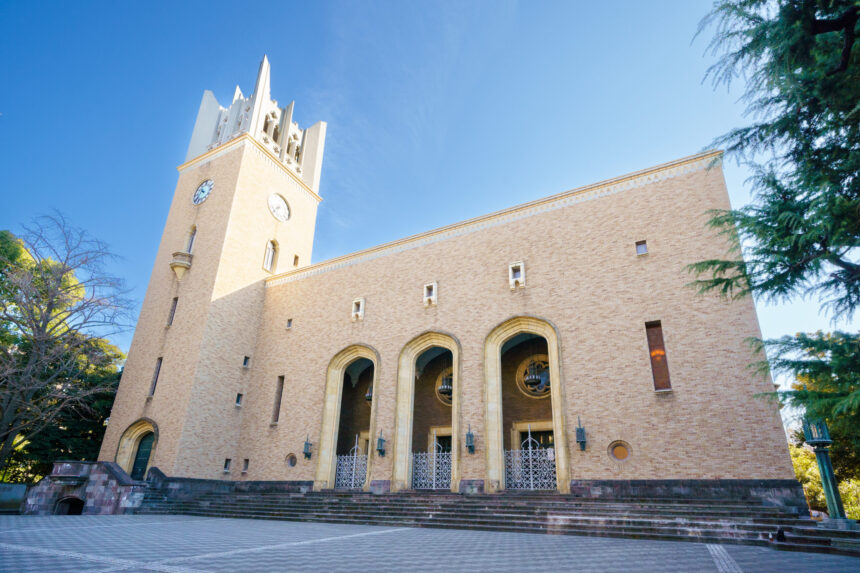
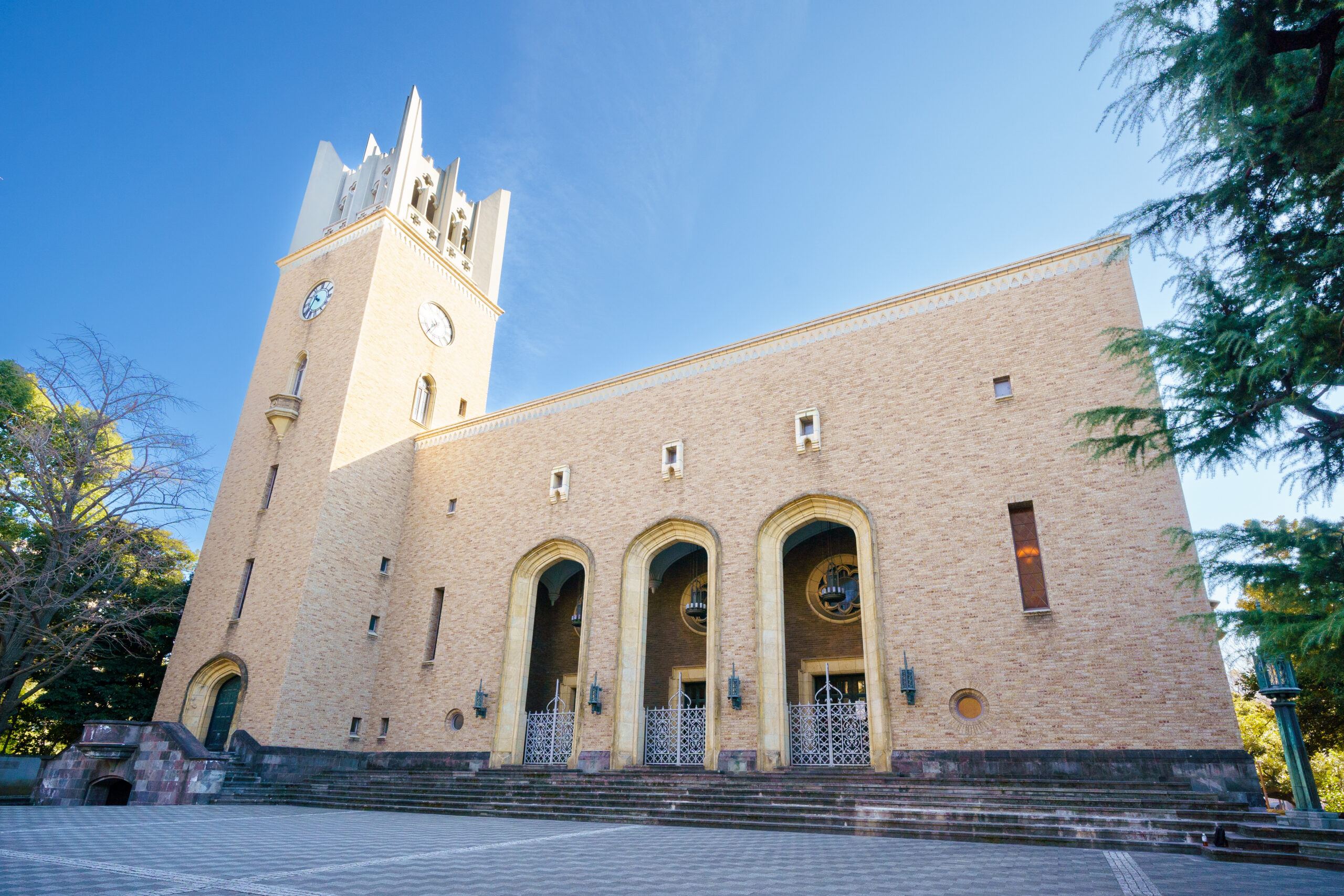
Waseda University is a theme park of literature and architecture!

And then to Waseda University. Crossing the Babashita-cho intersection, I wander down Waseda University’s South Gate Street. It is a cozy shopping street with one-way streets facing north, and the roads and sidewalks are rather narrow. As it was the season for entrance examinations, flags of cram schools were displayed on the street to encourage students to take entrance examinations.

Soseki Sanso Memorial Hall and Park overflowing with love for Soseki

Waseda University Avenue stretches straight westward from the main gate of Waseda University. It is a beautiful and comfortable street that is suitable for “strolling. It has a two-lane roadway, a tree-lined median strip, wide sidewalks, and power lines buried underground. It is a pleasant street to walk on, on the same level as Sendai’s Aobadori, but according to a graduate of Waseda University, “I don’t use this street that much. It is a wonderful commuter path, the background of which is too mysterious.
The next destination from here is the Shinjuku Soseki Sanso Memorial Museum. According to the map, it is a little over 1 km one way, so there is no need to go there by any means, but this time we will aim for this place. To be honest, the route from Waseda Street onward is not particularly interesting. However, “Shinjuku Soseki Sanso Memorial Museum” was a spot filled with love for Soseki.

Soseki Natsume spent the last 10 years of his life and wrote “Sanshiro,” “Sorekara,” “Kado,” “Kokoro,” and “Michikusa” (Wow!). The residence he lived in was called “Soseki Sanso” (Soseki Mountain Cell).

Soseki was born at Waseda, taught at Waseda, and died at Waseda.
Although he spent a long time away from Waseda, including assignments in Ehime Prefecture and study in England, he came back to live at Waseda in 1907. It was 1907 when he started his career as a novelist for the Asahi Shimbun and wrote “Agojinkusa” (Field Poppy).
Soseki was a regular visitor to the Asahi Shimbun, and the meeting was eventually named the “Thursday Club” because it was held on Thursdays. The meeting was eventually named the “Thursday Club” because the meeting was held on Thursdays. The eminent members of the group included Uchida Hyakken, Terada Torahiko, Nogami Toyoichiro, Watsuji Tetsuro, Akutagawa Ryunosuke, Kume Masao, and many others.
In Europe and the U.S., “salons” are places where literary figures and artists gather and interact with each other, and the Tuesday meetings of Mallarmé, Monet, Renoir, Debussy, and others are well known.

The memorial hall is modeled after the “Soseki Sanso” building, and Soseki Park is located next to the memorial hall. Next to the memorial hall is “Soseki Park.” There is also a “Doso-an,” which is equipped with a post box where visitors can freely post their poems. It was a place that made me feel Soseki’s love.

Former residence of Momiji Ozaki and Kiyokata Kaburaki, Yarai Noh Theater…… area of concentrated literature and culture

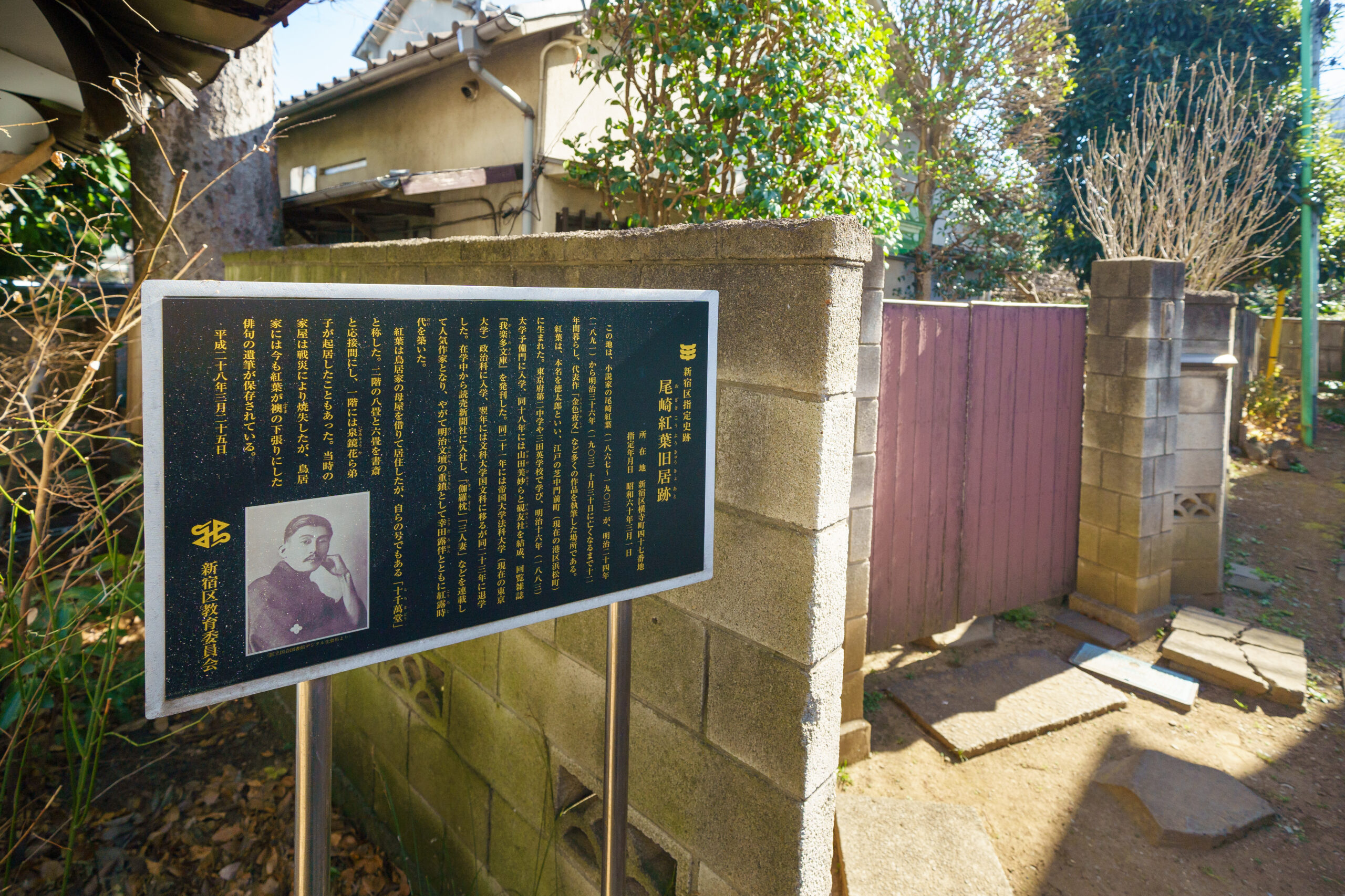
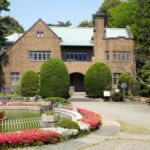
From the ruins of Soseki’s house, we went to Torii House, the former residence of the Meiji novelist, Momiyo Ozaki, who was one year younger than Soseki. I found that Soseki died at the age of 49, while Momiyo Ozaki was much younger, having died at the age of 35. Incidentally, it was the Torii family who wrote “Golden Yasha,” which was serialized in the Yomiuri Shimbun and became a big hit.

As Japan modernized after the Meiji Restoration, literature was also modernized by emulating Western works.
At first, the efforts were overly political and introduced foreign works as “translations” that were almost completely altered, and the country was groping in the dark.
With these foundations in place, two of the pioneers of the era were Ozaki Momiji and Koda Rohan. Their contrasting styles pushed the possibilities of literature to new heights, and the period of the 1887-1988 era is sometimes referred to as the “Red and White Era” in honor of the two writers.
It was precisely around this time that Momiji came to live in Ushigome, and it was here that he began writing his masterpiece and posthumous work, “Konjikinyasha” (“Golden Nightshade”). There remain two haiku that Momiji used to cover the underside of his fusuma (sliding door): “Early winter, freshly shaved my beard,” and “Haha-mono no ihaha-hi-totsuzuru zoni (Is it a soup with vegetables?).

Although the building was destroyed by fire during the war and is not from that era, it has a good old-fashioned appearance. However, since it is a very ordinary residential area, you will 100% miss it when strolling around. Because you would never realize that Momiji Ozaki lived behind this gate, would you?

The area is home to the former residence of Kiyokata Kaburaki, a Japanese-style painter famous for his paintings of beautiful women (now Shinjuku Municipal Yarai Park), and the Yarai Noh Theater, home of the Yarai Kanze Family and the Kanze Kyusatsukai, which for some reason is a favorite haunt of people involved in art across genres as well as literature. The Yarai Noh Theater is located in the city.
The Yarai Noh Theater is the second oldest Noh theater in Tokyo, and performances are still held there regularly. The final destination of the tour was the former site of the “Art Club,” which is also known as the “Art Club” in the area.

When studying modern literature, one is struck by the lack of boundaries between novels, poetry, and plays.
Shimamura Hodetsu was a playwright, novelist, poet, and critic, and was one of the leaders of literature in the Meiji and Taisho eras.
Together with his mistress and actress Sumako Matsui, he founded the Geijutsuza theater company. They called their base the Geijutsu Club.
While supporting the theater company financially, he also staged plays that pursued artistic research, thus achieving a balance between “money and artistry.
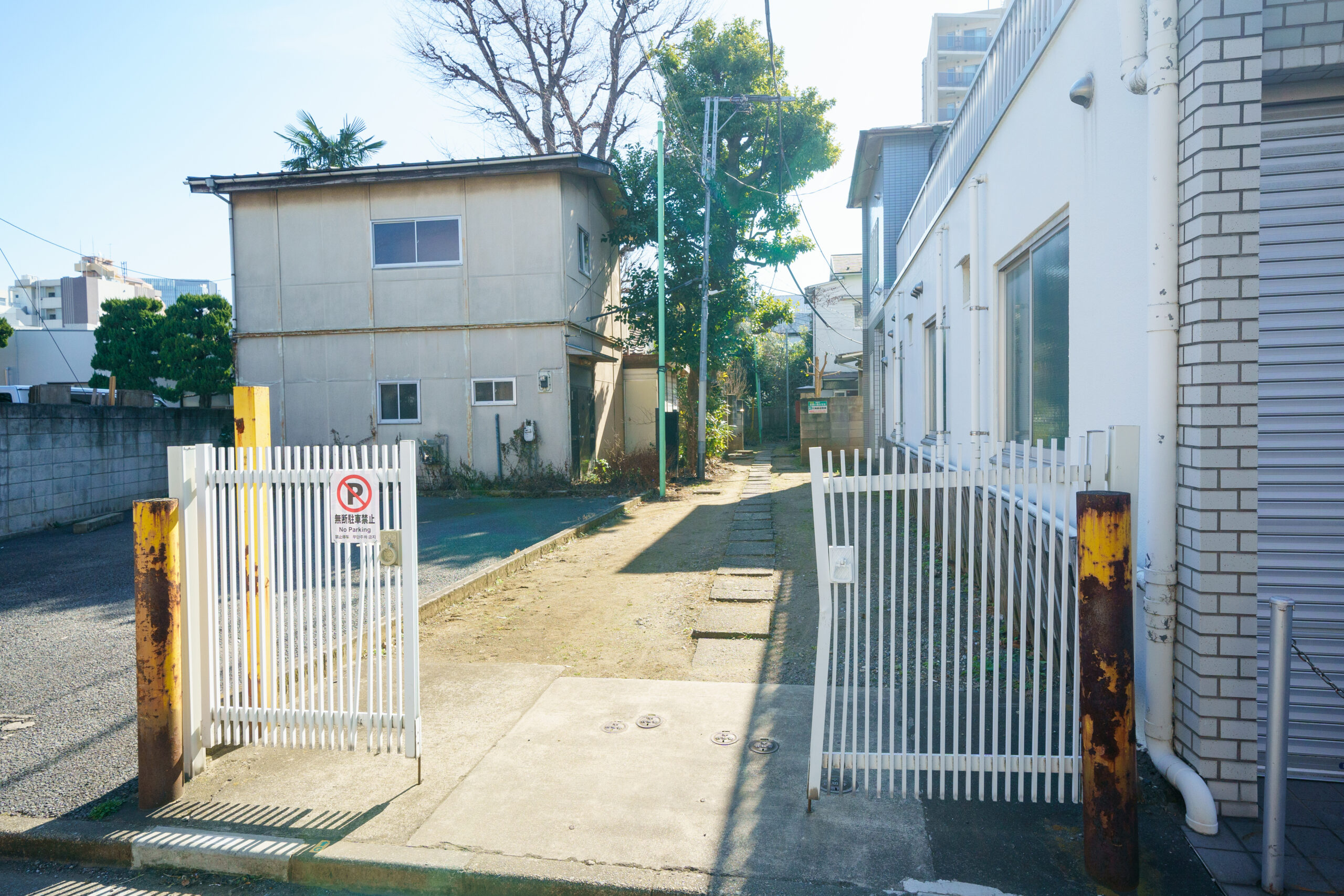
He died of the Spanish flu in 1918. It was in the residence of the Art Club, which is also known as the place of Hogetsu’s demise.

It is well known that after the death of Shimamura Hogetsu, Matsui Sumako followed suit and took her own life at the same place. Her life has been depicted in many movies, plays, and novels. The apartment surrounded by a crude block wall has such a past and background. If you don’t know about it, you will pass by it unaware. But if you know a little bit about it, the drama in an ordinary scene may be the charm of a literary stroll.
Interview and text by Atsunori Takeda (steam)
Photo: Satoshi Okubo
Literary commentary: Yuma Watanabe

新着・おすすめ情報

  1. Uiro

  2. Nihonbashi Kuroeya deals in lacquerware from all over Japan. Protecting the goodwill through innovation, not single-mindedness.

  3. The ninth generation of a long-established soba restaurant teaches how to boil and taste truly delicious soba noodles

  4. What does “Namida (sushi)” mean?

  5. What does “Tenko” mean? Explanation of the meaning of this doll

  6. Japanese doll” is a generic term for dolls traditionally made in Japan. What types are there?

  7. stalk (of a mushroom, leaf, etc.)

  8. How to read “strong snacks”? Kaiseki and Kaiseki Cuisine

  9. Anyone can do it by themselves! How to Tie a Yukata Obi – Kai no Kuchi

  10. piece placed to block opponent’s check (shogi)

  11. 徳丸北野神社(東京・板橋)

  12. Sengakuji Temple

  13. Suddenly, at the age of 25, he became the president of the company. Steps of the 8th generation of “Nihonbashi Benmatsu Sohonten,” Japan’s oldest bento shop.

  14. cucumber sushi wrapped in nori (seaweed)

  15. Preserving Kimono Culture through Tabi Shoes. What is the goal of the long-established Tabi Shoes shop “Ohnoya Fuso-Honten”?