What is nigori sake? There are multiple types and flavors of nigori sake.

Sake & Tea

What is nigori sake? There are multiple types and flavors of nigori sake.(Nigorizake (nigori sake)

Japanese rice wine

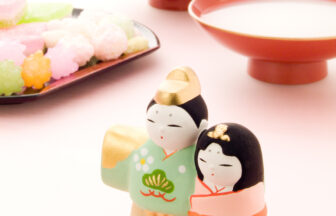
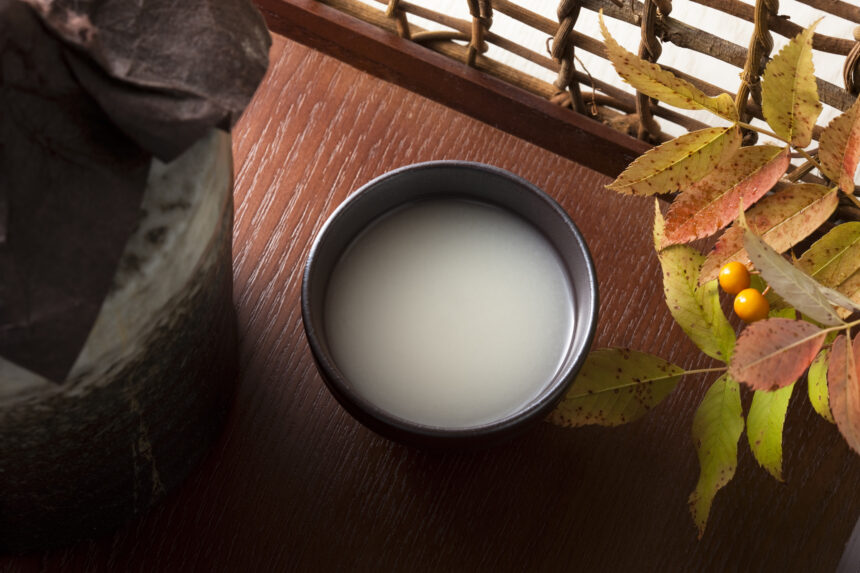
It is a cloudy white sake with the texture and mellow aroma of rice. When the moromi is pressed, it is scraped with a coarse cloth, which leaves the lees in the moromi and gives it a cloudy color. It is characterized by its rich, robust flavor, but there are several types of nigori sake. There are several types of nigori sake, including “orizake,” also known as “orikarami,” which contains a lot of lees and has a strong sour taste; “saki nigori,” which contains less lees and has a relatively clean taste; “usunigori,” which is almost clear and has a soft, refreshing taste; and “activated nigori,” which continues fermentation in the bottle with live yeast and gives a shwashy, stimulating taste, There are a variety of flavors to choose from.


新着・おすすめ情報

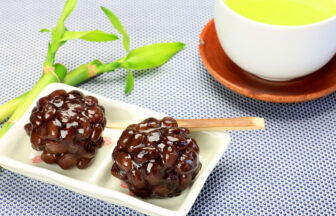
  1. What is “Uguisumochi”? Which season is it?

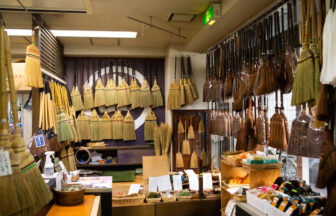
  2. The same manufacturing method since the establishment of the company. Interview with Satoru Nakamura, 7th generation owner of Shirokiya Nakamura Denbei Shoten, who weaves Edo brooms using craftsmanship passed down from generation to generation .

  3. 【第14回】江戸蕎麦の流儀〜道具立て編〜

  4. 【第2回】美味しい蕎麦屋を見分けるコツは、お客様の「姿勢」を見ること

  5. 【第26回】三色や五色といった色にまつわる蕎麦の話

  6. single pattern on the entirety of a garment

  7. Shirokiya Denbei, a long-established shop of all-natural, 99% handmade Edo-style brooms. Why has the tradition been preserved for nearly 200 years?

  8. A parting gift for someone who is retiring or moving on. What is the market price, how to choose, and what is the etiquette for giving gifts?

  9. To make swords a part of our daily lives. The future of swords is the goal of Nihon Katana, a long-established sword specialty store.

  10. Because they are used on a daily basis, they should not be neglected. Ubukeya tells you how to maintain your knives.

  11. What vegetables should not be used in “vegetarian cooking” without animal products?

  12. Ruins of Musashi Kokubunji Temple

  13. kimono wrapping paper

  14. Tozenji Temple (Shinagawa, Tokyo)

  15. Kanda Myojin