

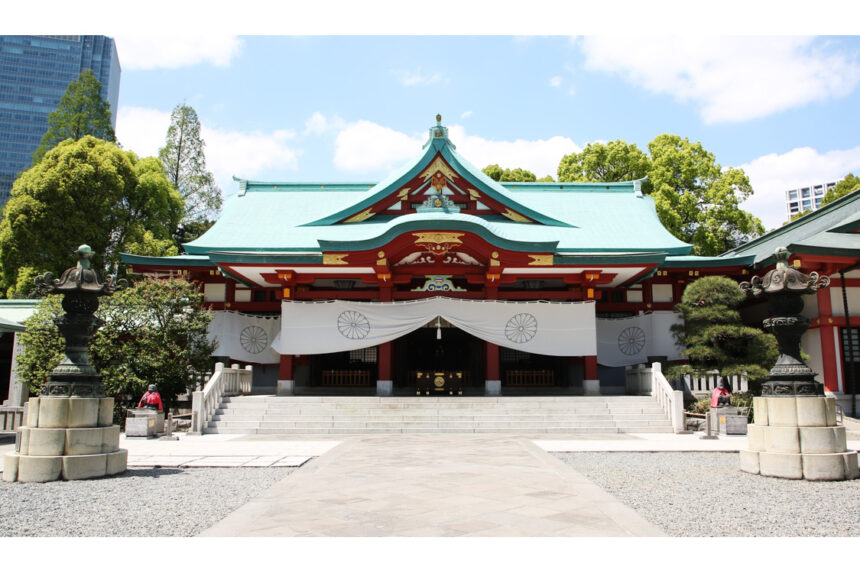
Shinto shrineAzabu, Akasaka, Roppongi
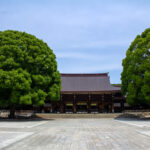
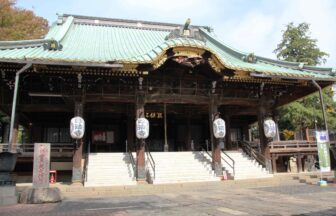
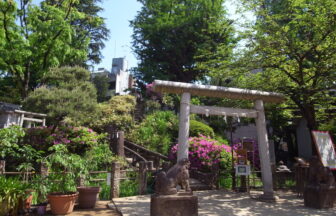
Hie Shrine (in Kyoto)(Hie- Shrine)
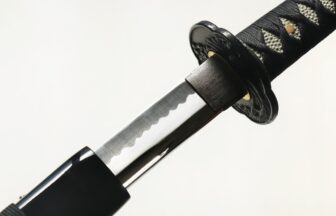
The Sanno Festival held in June is one of the three major festivals in Edo (Tokyo), and during the Edo period, it was known as the “Tenka Festival” where successive shoguns would visit the shrine and pay their respects. The Sanno Matsuri is one of the three major festivals of Edo (present-day Tokyo). The Sanno Matsuri includes the Shinko Matsuri, a procession that takes place every other year. The Tachi sword (inscribed “Norimune”), a national treasure, is housed in the Hall of Treasures.
Spot OutlineOutline
| address (e.g. of house) | 2-10-5 Nagatacho, Chiyoda-ku, Tokyo |
|---|---|
| Access | 3 minutes from Akasaka Subway Station, 3 minutes from Tameike-Sanno Subway Station, 5 minutes from Kokkai-gijidomae Subway Station, 8 minutes from Akasaka-mitsuke Subway Station |
| phone | 03-3581-2471 |
| Business Hours | 6:00 – 17:00 (opening hours) |
| regular closing day | nashi (Pyrus pyrifolia, esp. var. culta) |
| External Links | |
| Founding and opening of business | early Kamakura period (1185-1333 CE) |