

Shinto shrinefield affiliated with a shrine (the tax-exempt proceeds of its harvest going to pay for shrine operations)
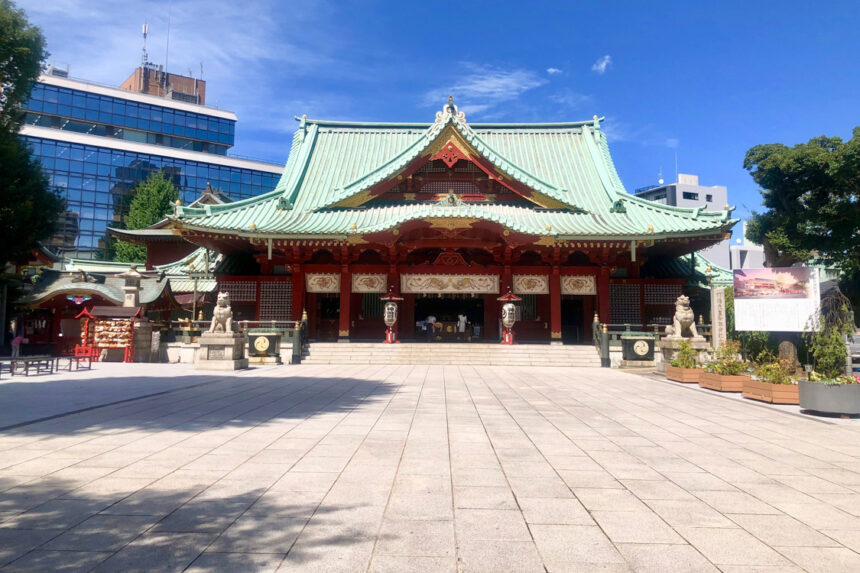
Kanda Myojin(Kanda myoujin-Shrine)
festivalfirst shrine visit of New Year
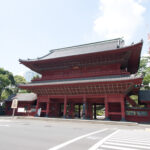
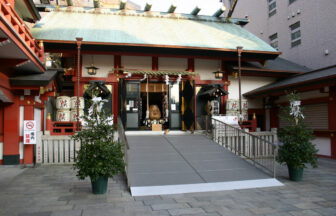
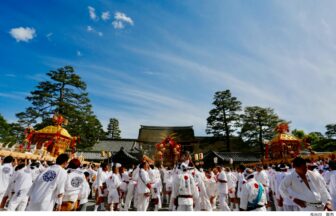
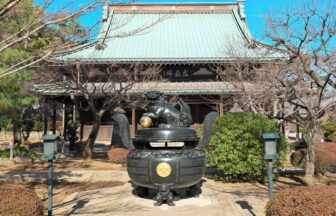
Officially known as Kanda Shrine, it enshrines Ohonamuchi no Mikoto, Sunahikona no Mikoto, and Taira no Masakado no Mikoto. The shrine was founded in 730 (Tempyo 2) and was originally located in the vicinity of Shomon-zuka, Otemachi, Chiyoda-ku, Tokyo. When the Edo shogunate was established, the shrine was relocated to its current location and was revered as “the guardian of Edo. The Kanda Festival, held once every two years in May, is famous as one of the three major festivals in Edo.
Spot OutlineOutline
| address (e.g. of house) | 2-16-2 Sotokanda, Chiyoda-ku, Tokyo |
|---|---|
| Access | 5 minutes from JR Ochanomizu Station, 7 minutes from JR Akihabara Station, 5 minutes from Subway Ochanomizu Station |
| phone | 03-3254-0753 |
| Business Hours | nashi (Pyrus pyrifolia, esp. var. culta) |
| regular closing day | |
| External Links | |
| Founding and opening of business | 730 (Tempyo 2) |