

Shinto shrineShibuya, Daikanyama
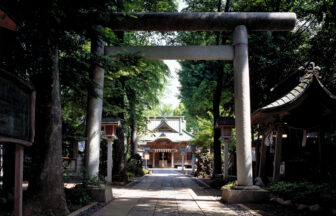
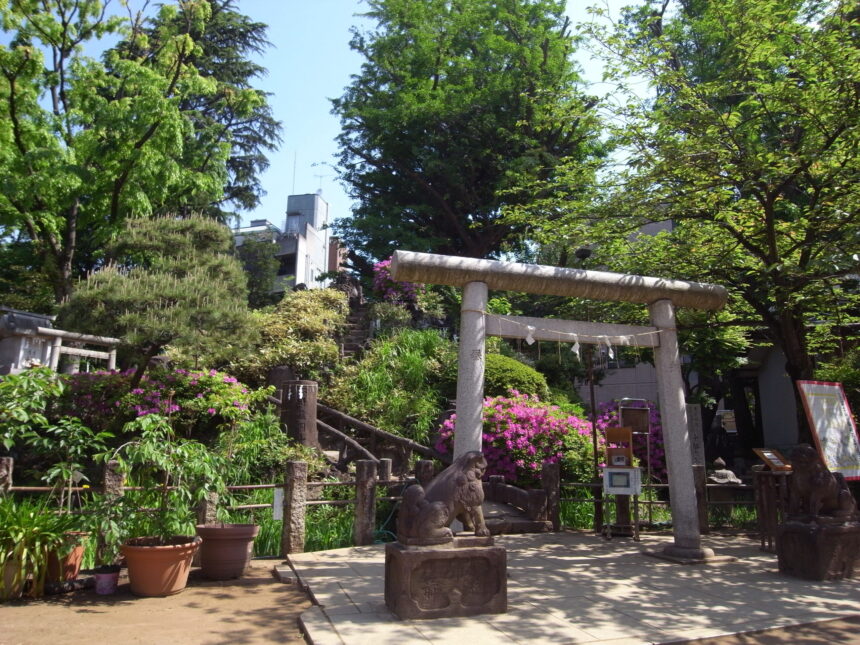
Hatomori Hachiman Shrine (Sendagaya, Tokyo)(Hatonomori Hachiman Shrine)
Shrine of the God of Warlarge ginkgo treeshogi hallwalkTangible folk cultural property designationreclaimed Mt Fuji
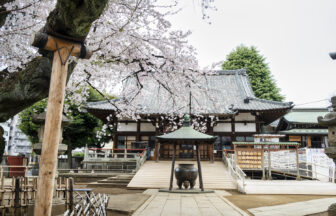
This Hachimangu Shrine has its origins in the year 860 (Jogan 2), when the great priest Jikaku (Ennin) made and enshrined statues of Empress Jingu and Emperor Ojin in response to villagers who requested the deity of a small shrine named Hatomori. In addition to the sacred ginkgo tree that escaped the fires of war, there is also a tangible folk cultural property designated by the Tokyo Metropolitan Government, Tsukuyama Fuji, said to have been built in 1789, a Shogi Hall, a guardian deity for those seeking to improve their shogi skills, and a number of other shrines, including Koga Inari Shrine and Shinmei-sha Shrine. In May each year, Hatomori Takigi Noh (Noh Play) is held in the Noh Theater on the temple grounds, attracting a large number of spectators.
Spot OutlineOutline
| address (e.g. of house) | 1-1-24 Sendagaya, Shibuya-ku, Tokyo |
|---|---|
| Access | 5 min. from JR Sendagaya Station, National Stadium Subway Station or Kitasando Station |
| phone | 03-3401-1284 |
| Business Hours | 9:00~17:00 |
| External Links | |
| Founding and opening of business | 860 (Jougan 2) |