kasuri

Japanese clothing

kasuri(kasuri)

Japanese clothesclothing

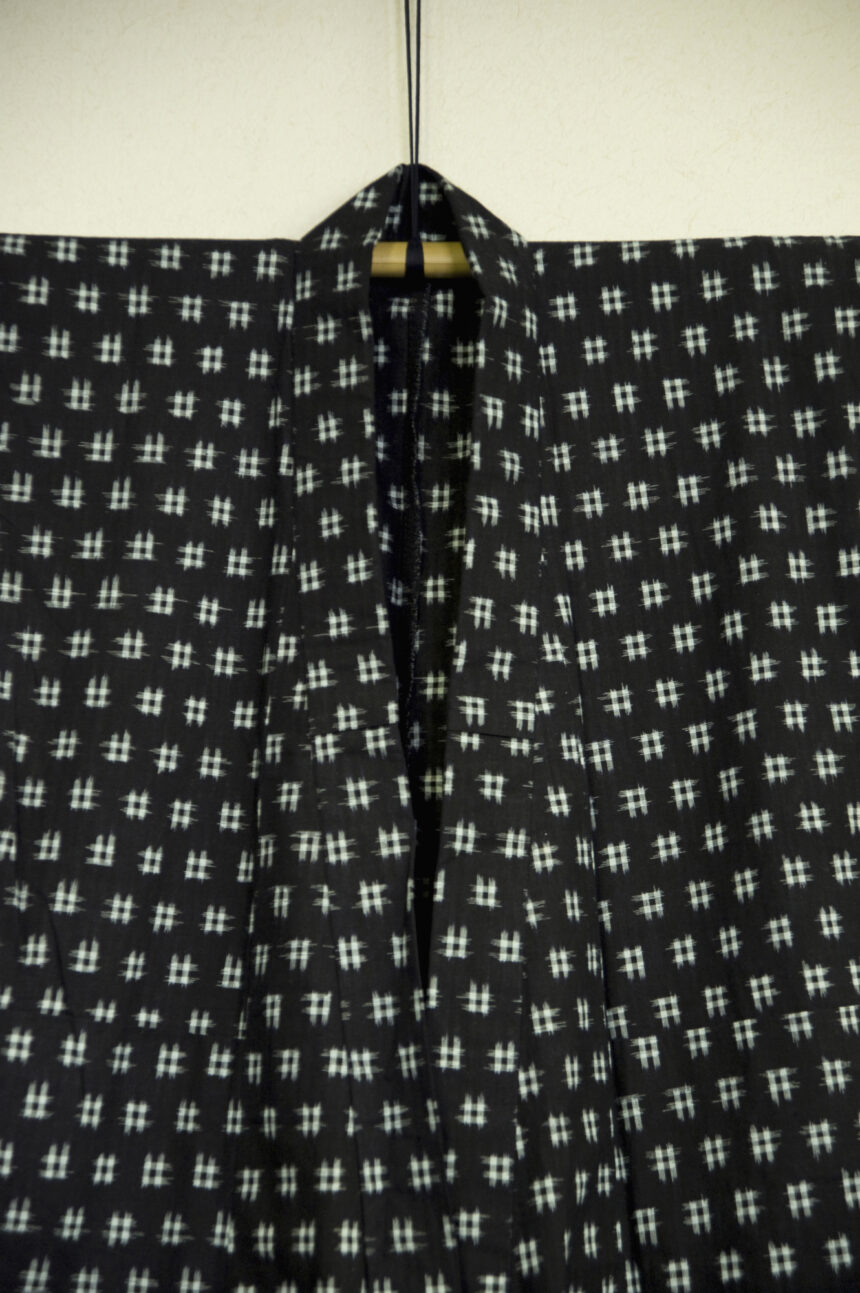
A textile in which the warp or weft threads, or both, are partially dyed and woven together to form a pattern. It has a long history and is believed to have originated in India. In Japan, tatekasuri is one of the treasures of Horyuji Temple. After the Edo period (1603-1868), with the spread of cotton, the use of kasuri spread throughout the country as a common people’s clothing. Patterns include crosses, wells, rice paddies, and arrow-shaped kasuri, and Ryukyu-kasuri has distinctive patterns such as running water and swallows. The colors were mainly navy blue and white. In the beginning, cotton was used for the threads, but silk and hemp were also used to make kasuri. The most well-known cotton varieties are Kurume kasuri and Iyo kasuri; silk varieties include Ryukyu kasuri, Yuki pongee, and Oshima pongee; and linen varieties include Echigo Kamifu (Ojiya shuku) and Noto Kamifu.

新着・おすすめ情報

  1. What is the difference between “Ginjo-shu” and “Junmai Ginjo-shu”? Words related to sake

  2. You can do it by yourself! How to tie a yukata obi – Butterfly knot

  3. Developing original materials with attention to detail, starting from the fabric. Shukusen, a long-established manufacturer of yukata loved by kabuki actors in the Edo period [Part 1

  4. large sword

  5. What is the “rank of kimono” that kimono beginners have trouble thinking about?

  6. Shimonotani Ruins Park (Higashifushimi, Tokyo)

  7. brewer’s rice

  8. Meishu no Taki Park (Oji, Tokyo)

  9. When is “new sake” made? Words related to sake

  10. various

  11. Nogi Shrine (Akasaka, Tokyo)

  12. When is the day of the Ox in 2023? What is the origin and the reason for eating eels?

  13. Tomioka Hachimangu Shrine

  14. metal collar mounted between a sword blade and the hand guard

  15. Kansai-style sushi (esp. pressed sushi, such as battera)