manjuu

Japanese confectionery

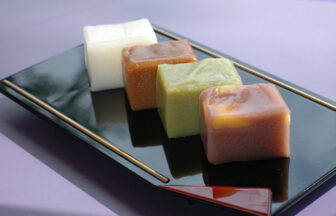
manjuu(Manju)

red bean paste

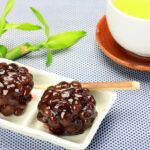
A confectionery made by steaming or baking a sweet bean paste wrapped in a skin made of kneaded flour such as wheat flour, rice flour, or buckwheat flour. The origin of this sweet is said to be “Manto,” which was created by Zhuge Kongming, a Chinese military strategist known for his novel “The Legend of the Three Kingdoms. It was not until the Muromachi period (1336-1573) in the 14th century that it spread to Japan. It is said that the first “Nara Manju” (steamed buns) was made by Lin Jochin, who came to Japan from the Song Dynasty in China at that time. While Chinese mantou are generally filled with meat, in Japan, filling with red bean paste became popular, and from the Edo period to the present day, a wide variety of mantou appeared all over the country.

新着・おすすめ情報

  1. Because they are used on a daily basis, they should not be neglected. Ubukeya tells you how to maintain your knives.

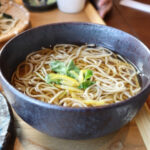
  2. 【第4回】「関東の蕎麦、関西のうどん」食べ方を見ればその人の出身地が分かる

  3. The simple taste of Kototoi dumplings that you never get tired of no matter how many times you try them.

  4. Shinjuku Gyoen

  5. What does a “prop maker” do? The Craftsman Who Creates Puppets Series

  6. Ruins of Musashi Kokubunji Temple

  7. Customer information is written down in a notebook and shared with all staff. Ginza Mikawaya’s commitment to hospitality

  8. Shofukuji Temple (Higashimurayama, Tokyo)

  9. The same manufacturing method since the establishment of the company. Interview with Satoru Nakamura, the 7th generation of Shirokiya Nakamura Denbei Shoten, who weaves Edo brooms using craftsmanship passed down from generation to generation .

  10. I was a junior high school student when I made up my mind. The determination of the fifth generation to run Japan’s oldest bar, Kamiya Bar.

  11. You can do it by yourself! How to tie a yukata obi – Butterfly knot

  12. Why display “Armor Decorations” on Dragon Boat Festival. Armor is not for fighting…

  13. (silk) crepe

  14. kneaded dough

  15. Inari Onio Shrine (Shinjuku, Tokyo)