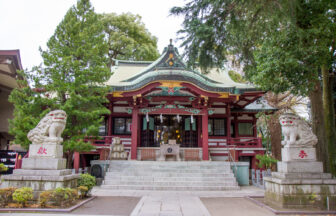
Hatomori Hachiman Shrine (Sendagaya, Tokyo)

Shinto shrineShibuya, Daikanyama

Hatomori Hachiman Shrine (Sendagaya, Tokyo)(Hatonomori Hachiman Shrine)

Shrine of the God of Warlarge ginkgo treeshogi hallwalkTangible folk cultural property designationreclaimed Mt Fuji

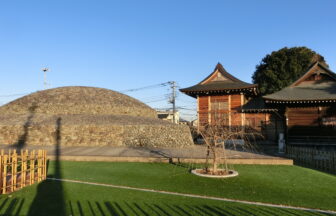
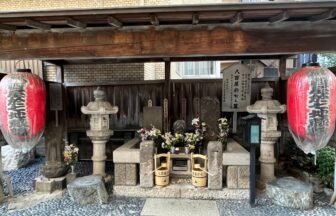
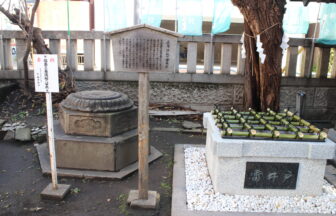
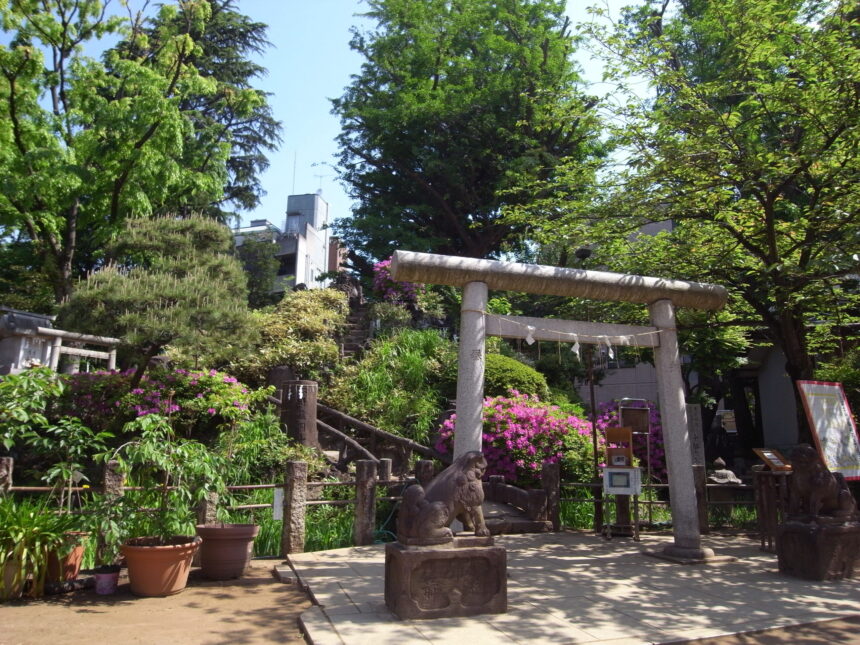
This Hachimangu Shrine has its origins in the year 860 (Jogan 2), when the great priest Jikaku (Ennin) made and enshrined statues of Empress Jingu and Emperor Ojin in response to villagers who requested the deity of a small shrine named Hatomori. In addition to the sacred ginkgo tree that escaped the fires of war, there is also a tangible folk cultural property designated by the Tokyo Metropolitan Government, Tsukuyama Fuji, said to have been built in 1789, a Shogi Hall, a guardian deity for those seeking to improve their shogi skills, and a number of other shrines, including Koga Inari Shrine and Shinmei-sha Shrine. In May each year, Hatomori Takigi Noh (Noh Play) is held in the Noh Theater on the temple grounds, attracting a large number of spectators.

Spot OutlineOutline

address (e.g. of house) 1-1-24 Sendagaya, Shibuya-ku, Tokyo
Access 5 min. from JR Sendagaya Station, National Stadium Subway Station or Kitasando Station

phone 03-3401-1284
Business Hours 9:00~17:00
External Links

Official Web Site

Founding and opening of business 860 (Jougan 2)

新着・おすすめ情報

  1. rolled sushi with rice and other ingredients

  2. 【第20回】家庭でも美味しく生麺の蕎麦を茹でる方法

  3. part of the palace where important ceremonies were held

  4. 【第25回】七十五という数字にまつわる蕎麦の話

  5. Tama Cemetery (Fuchu, Tokyo)

  6. Ginza Matsuzaki Senmochi, a long-established shop, depicts tradition and innovation with its signature product “kawara senbei” (tile rice cracker).

  7. neckpiece (on a kimono)

  8. pongee (soft thin cloth woven from raw silk)

  9. Eagle Shrine

  10. Yamamoto-Tei (aristocratic group of pious men)

  11. What does a “hair dresser” do? Series of Craftsmen Who Make Dolls

  12. Innovation by “Shinseido”, creator of the unconventional and popular “Seppuku Monaka” product

  13. Tokyo National Museum

  14. fresh Western sweets (usu. containing cream or fruit, e.g. sponge cake, pie)

  15. Tokyo’s “Furyu Odori” is the talk of the town since it was selected as a UNESCO Intangible Cultural Heritage site! Tokyo’s “Furyu Odori” gathers in large numbers! Report on Tokyo Folk Performing Arts Festival