Meaning of “buckwheat cutter

Soba/Udon

Meaning of “buckwheat cutter(Sobakiri)

old name of Tokyo

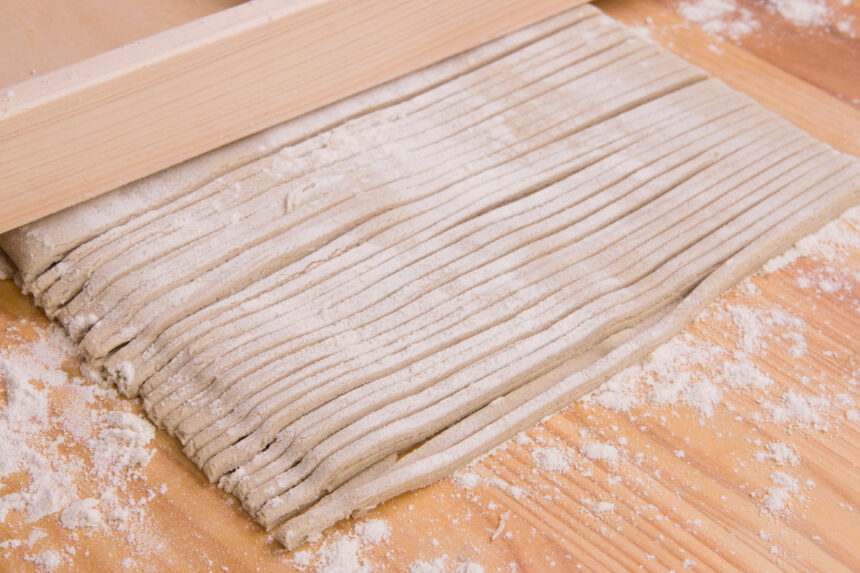
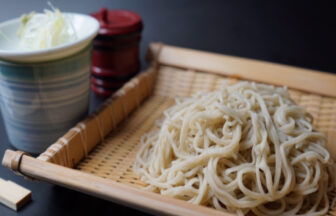
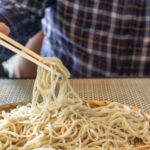
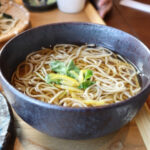
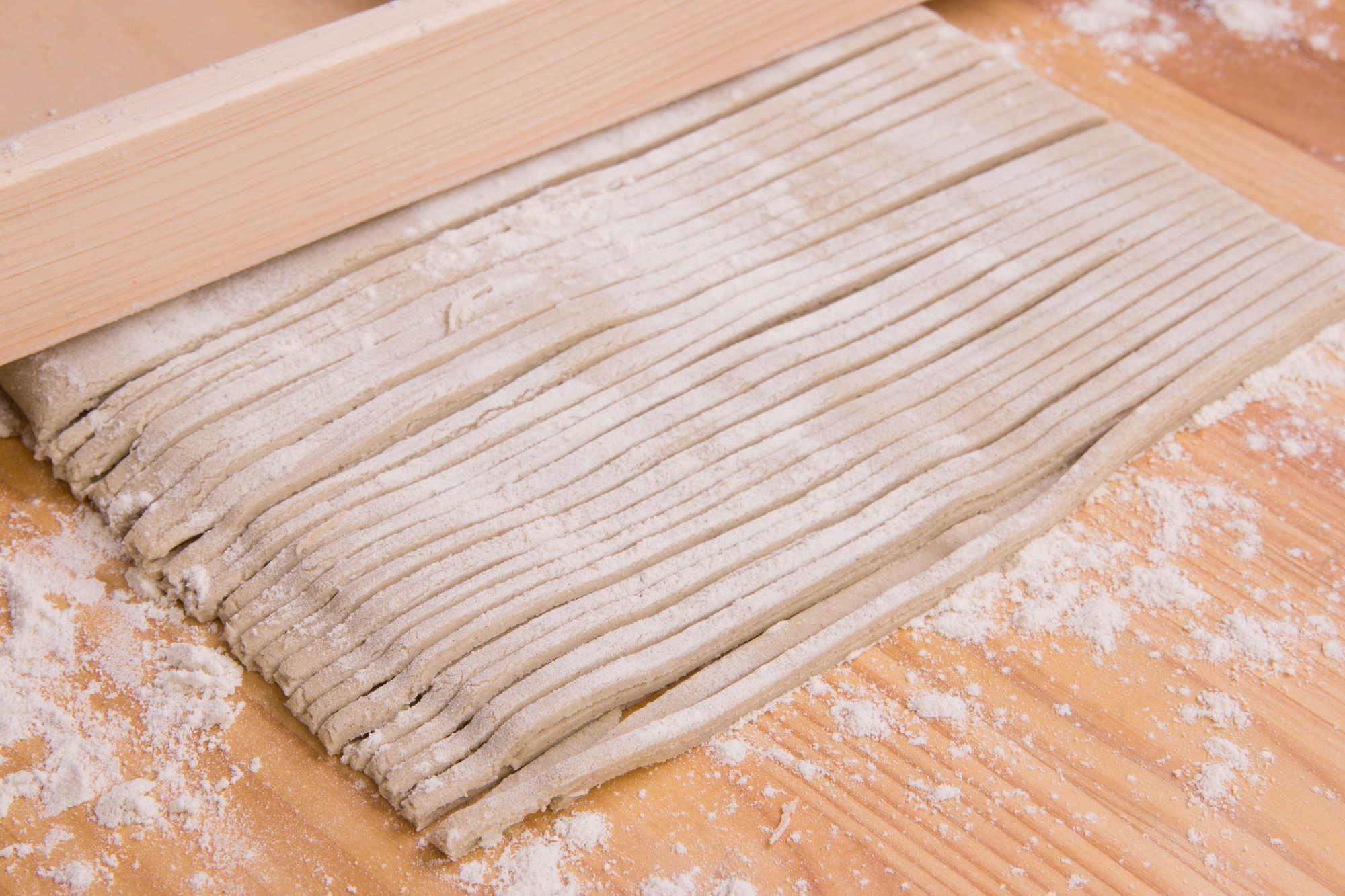
In modern times, soba in its common noodle form is called “soba-kiri” (buckwheat noodles). Originally, soba was eaten in the form of buckwheat dumplings or buckwheat dumplings made from kneaded buckwheat flour. In contrast to these existing ways of eating soba, the term “soba-kiri” is said to have come to be used to refer to the thinly stretched dough that is cut into long, thin strips with a knife. There are various theories as to the origin of soba-kiri, but by the middle of the Edo period (1603-1868), soba-kiri had spread among the townspeople with the advent of nihachi-soba, an easy-to-handle and easy-to-eat type of buckwheat noodle, and by the late Edo period (1800s) there were said to be over 3,700 soba shops in Edo.

新着・おすすめ情報

  1. Matsui Sake Brewery once closed. A closer look at the creative sake brewing process at the revived brewery.

  2. Hibiya Park

  3. very common way of tying a woman’s kimono sash

  4. Manners for Year-End Gifts for 2023: 3 recommended products and notes on when and how to give them.

  5. What does a “prop maker” do? The Craftsman Who Creates Puppets Series

  6. brewer’s rice

  7. one-piece sash

  8. Kazari-uma” decorated on Children’s Day. What kind of vehicle is the white horse considered to be?

  9. gelidium jelly strips (made from agar-agar)

  10. Pushing aside the opposition of employees? The importance of reform, as seen by the long-established “Tokiwa-do Thunder Stirrers”.

  11. The soul of the craftsman resides in the old-fashioned production method. The long-established comb shop “Juso Yakushi Ten” that produces the one and only boxwood comb.

  12. unlined kimono

  13. malted rice

  14. Chidorigafuchi (fountainhead)

  15. Nishimukai Tenjinsha (Shinjuku, Tokyo)